


Tuberculosis Symptoms: Causes, Risks, Prevention, and Treatment Explained
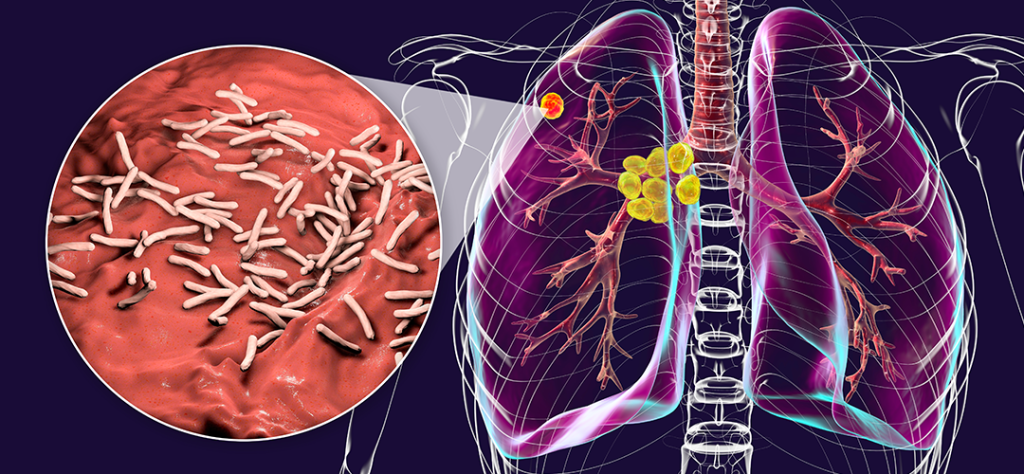
Table of Contents Help Others Discover – Click to Share! Facebook Twitter LinkedIn Table of Contents Tuberculosis is often perceived as a disease of the past, yet it continues to be one of the most significant infectious diseases worldwide. Approximately 10 million new cases of TB occur annually, indicating that this disease remains a serious global health challenge. Regions such as the Caribbean and other developing healthcare systems continue to face challenges related to early detection, access to care, and public awareness. Understanding and recognising tuberculosis symptoms is therefore not just clinically important, it is essential for protecting both individual and community health. In today’s digitally connected healthcare environment, platforms like Cellmaflex are playing a crucial role in bridging the gap between patients and care providers. With Cellmaflex, individuals can book online appointments without phone calls, access their medical history anytime, anywhere, and easily locate nearby doctors, pharmacies, labs, and imaging centres. This level of accessibility ensures that when early tuberculosis symptoms appear, patients can act quickly without delays. This blog provides a comprehensive, clinically grounded overview of tuberculosis, covering its causes, transmission, symptoms, diagnosis, treatment, and prevention. By the end, you will have a clear understanding of how to recognise risks, respond appropriately, and use digital tools like Cellmaflex to access timely care. What Is Tuberculosis? Tuberculosis (TB) is a chronic infectious disease caused by the bacterium Mycobacterium tuberculosis. It primarily affects the lungs, referred to as pulmonary tuberculosis, but can also involve other organs such as the lymph nodes, spine, kidneys, and brain, known as extrapulmonary tuberculosis. A critical clinical distinction exists between two forms of TB: Latent TB Infection (LTBI): The bacteria remain inactive in the body. Individuals do not experience tuberculosis symptoms and are not contagious. Nonetheless, latent TB may also activate when there is a decrease in the body’s immune defences. Active TB Disease: The bacteria multiply and cause illness. This is when tuberculosis symptoms become evident, and the disease can spread to others. The distinction between latent and active TB is important for timely diagnosis and risk reduction. According to the World Health Organisation, globally, 10.7 million people developed tuberculosis globally in 2024, with an incidence rate of 131 cases per 100,000 population. The disease burden is highest in South-East Asia (34%), followed by the Western Pacific (27%) and Africa (25%), while the Americas, including the Caribbean, account for just 3.3% of cases. Despite global efforts, TB incidence has declined by only around 12.3% since 2015, indicating that tuberculosis remains a significant public health concern. Tuberculosis burden in the Caribbean is relatively low compared to global hotspots, but disparities exist between countries. Country Tuberculosis Statistic Haiti 168 cases per 100,000 population (highest in the region) Jamaica <3 cases per 100,000 population (low incidence) Barbados 2 reported TB cases in 2023 Antigua and Barbuda <3 cases per 100,000 population Saint Lucia <3 cases per 100,000 population Grenada <3 cases per 100,000 population How Tuberculosis Spreads Tuberculosis is an airborne disease, meaning it spreads through microscopic airborne particles released into the air when a person with active TB: Coughs Sneezes Talks Laughs These droplets can be inhaled by others, particularly in environments with poor ventilation or high population density. Importantly, TB is not spread through: Touching surfaces Sharing utensils Physical contact like handshakes This distinction is critical in reducing unnecessary fear while still promoting appropriate precautions. Using platforms like Cellmaflex, individuals can quickly locate nearby testing centres if exposure is suspected, ensuring timely intervention. Tuberculosis Symptoms Recognising tuberculosis symptoms early is crucial for preventing disease progression and transmission. These symptoms can take time to develop and may first appear to be mild respiratory symptoms. Pulmonary (lung related) Symptoms: Chronic cough that lasts longer than two to three weeks Chest pain Coughing up blood (haemoptysis) or sputum Systemic Symptoms: Fever Night sweats Unexplained weight loss Fatigue and weakness Decreased appetite Who Is Most at Risk? While tuberculosis can affect anyone, certain populations are at significantly higher risk due to compromised immunity or environmental exposure: Individuals with weakened immune systems People living with HIV Patients with diabetes Older adults Healthcare workers Individuals in crowded living conditions Those with poor nutritional status In these populations, tuberculosis symptoms may develop more rapidly than in other individuals, with atypical presentation of the disease. Awareness through digital networks like Cellmaflex allows for pre-emptive healthcare delivery for those at highest risk who require continuous ongoing care, follow-up/check-ups and fast access to an appointment with a physician to provide care/service. Tuberculosis Diagnosis Prompt, accurate diagnosis is critical in terms of controlling transmission and beginning treatment in a timely fashion. The diagnosis generally includes: Clinical of medical history and symptoms of possible TB Chest X-rays to determine lung changes consistent with TB Tests on sputum samples to find Mycobacterium tuberculosis in respiratory secretions Blood tests to confirm TB and determine the patient’s immune status Treatment: TB Is Curable Tuberculosis is both preventable and curable, provided treatment is initiated early and completed as prescribed. Standard treatment involves a combination of antibiotics taken over 6 months or longer. Key clinical considerations: Strict adherence to medication is essential Incomplete treatment can lead to drug-resistant TB, which is more difficult to manage Regular follow-ups are required to monitor progress With Cellmaflex, patients can: Track prescriptions Access treatment history Schedule follow-up consultations Locate nearby pharmacies for medication access This continuity of care significantly improves treatment adherence and outcomes. How to Prevent Tuberculosis In order to prevent tuberculosis, we must have both public health interventions and individual responsibility. There are a number of ways to prevent the spread of tuberculosis with the most effective being: When you have any symptoms of tuberculosis you should go for testing right away Seek routine medical attention regularly Make sure your homes are well ventilated Always cover your mouth when coughing or sneezing Increase your body’s immune strength through: Eating balanced meals Exercising regularly Managing chronic illnesses effectively Cellmaflex can help increase access to routine care by allowing individuals to easily find a physician near them, schedule routine testing, and have continuous access to their medical records to promote a prevention focused approach to healthcare. When to Visit Your Doctor Receiving prompt medical attention is important. If you have any of these symptoms, you should see your doctor right away: A persistent cough for longer than 2 weeks Weight loss that you cannot explain Ongoing fever and/or night sweats Chronic fatigue All of these symptoms could be the result of an underlying condition, such as tuberculosis. Early identification and treatment of tuberculosis symptoms ensure that you can take care