


Zika Virus Symptoms and Beyond: Everything You Need to Know
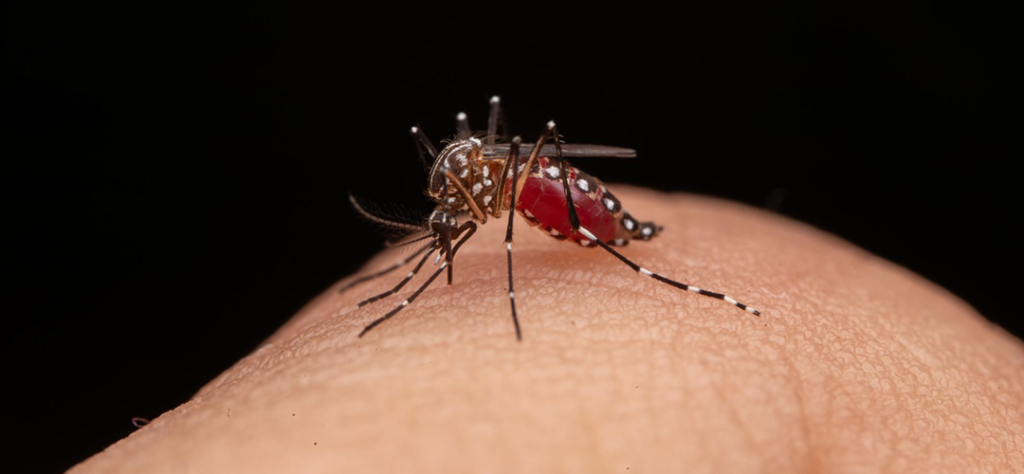
Table of Contents Help Others Discover – Click to Share! Facebook Twitter LinkedIn Table of Contents Zika virus is a mosquito-borne viral infection caused by the Zika virus, a flavivirus related to dengue, yellow fever, West Nile virus, and Japanese encephalitis. The infection is primarily transmitted through the bite of infected Aedes aegypti mosquitoes, which are highly active in tropical and subtropical climates. These mosquitoes typically bite during the daytime, especially in the early morning and late afternoon. The Aedes aegypti mosquito, Zika’s primary carrier continues to thrive across tropical and subtropical regions. For pregnant women, frequent travellers, and vulnerable individuals, continued awareness remains important due to the potential health risks associated with Zika virus infection. Staying informed about prevention measures and early medical guidance can support safer travel and better health outcomes. That’s where Cellmaflex comes in. Managing a potential health threat shouldn’t mean sitting on hold to book a doctor’s appointment. Cellmaflex lets you book online appointments without a single phone call, find nearby doctors, pharmacies, labs, and imaging centres in minutes, and access your complete medical history anytime, anywhere. Your health, always within reach. In this blog, we’ll cover what Zika is, how it spreads, the full picture of zika virus symptoms, the serious risks during pregnancy, prevention strategies, and why early medical attention is non-negotiable. What is Zika? Zika virus is an RNA flavivirus, in the same family as dengue, yellow fever, and West Nile virus. First isolated in Uganda’s Zika Forest in 1947, it remained obscure for decades before exploding into global awareness in 2015, when its link to microcephaly in newborns was confirmed in Brazil. What makes Zika clinically unique is a dangerous combination: it can be sexually transmitted, it can cross the placental barrier and harm a developing fetus, and an estimated 60–80% of infected individuals never develop noticeable Zika virus symptoms, making silent spread remarkably easy. Globally, more than 90 countries and territories have reported current or previous Zika virus transmission, according to WHO. In the Americas, 44,490 suspected Zika cases were reported in 2024 alone. In the Caribbean and wider Americas region, PAHO continues to report ongoing Zika surveillance due to persistent mosquito activity. During the 2015–2017 outbreak period, the Americas recorded more than 750,000 suspected and confirmed Zika cases, with the Caribbean among the heavily affected regions. How Zika Spreads Zika travels through multiple routes, which is what makes it challenging to contain: mosquito bites are the primary transmission route. The Aedes aegypti mosquito is a day-biting species that breeds in even the smallest pools of standing water, a flowerpot, a discarded tyre, a clogged drain. Once it bites an infected person, it can transmit the virus to every subsequent host. Sexual transmission is confirmed and clinically significant. Zika RNA persists in semen for weeks, sometimes months, after initial infection. Couples planning pregnancy or returning from endemic regions must factor this in. Vertical transmission, from a pregnant person to their fetus is one of the routes of concern, as the virus attacks the developing nervous system with devastating consequences. Blood transfusion is a rare but documented transmission route; blood banks in affected regions now implement active screening. Why Zika is Still a Concern in the Caribbean Although reported cases have declined significantly since the major outbreaks, the Caribbean remains vulnerable to possible Zika resurgence. Year-Round Mosquito Presence The Aedes aegypti mosquito remains widespread throughout the Caribbean due to favourable environmental conditions. Warm temperatures and humidity allow mosquito populations to persist throughout most of the year. Climate Conditions Frequent rainfall, flooding, and standing water create ideal mosquito breeding habitats. Urbanisation and population density further contribute to transmission risk. History of Regional Outbreaks The Caribbean has previously experienced substantial outbreaks of mosquito-borne diseases, including dengue, chikungunya, and Zika. Public health systems remain cautious because prior outbreaks demonstrated how quickly these infections can spread across islands and neighbouring countries. Risk of Re-emergence Global travel, climate variability, and changing mosquito distribution patterns continue to increase the possibility of future outbreaks. Healthcare preparedness and public awareness therefore remain essential. Even after outbreaks decline, awareness of Zika virus symptoms remains important because delayed recognition can contribute to silent transmission within communities. Digital health platforms such as Cellmaflex can contribute to faster healthcare access during outbreaks by connecting patients to doctors, pharmacies, laboratories, and imaging centres from one integrated system. Zika Virus Symptoms: The Clinical Picture When Zika virus symptoms do appear, they typically emerge 3 to 14 days after a mosquito bite and resolve within a week. The classic presentation includes: Mild, low-grade fever – rarely the high spiking temperatures seen with dengue Maculopapular rash – flat red patches combined with raised bumps, often intensely itchy, beginning on the face and spreading to the trunk Joint pain (arthralgia) – particularly in the hands and feet; in some cases, joint swelling that can persist for weeks Conjunctivitis – non-purulent red eyes that help clinically distinguish Zika from dengue Headache and retro-orbital pain – generalised or frontal headache, sometimes with pain behind the eyes Myalgia – muscle aches and fatigue Critically, the majority of Zika infections produce no symptoms at all. This asymptomatic majority continues normal life – travelling, donating blood, engaging in sexual activity while unknowingly transmitting the virus. Recognising Zika virus symptoms early is therefore essential for breaking transmission chains and protecting vulnerable contacts. Zika and Pregnancy Risks The strongest global concern surrounding Zika virus emerged because of its effects on pregnancy and foetal development. Infection during pregnancy can lead to congenital Zika syndrome, a group of severe birth defects associated with foetal brain abnormalities. The most widely recognised complication is microcephaly, a condition in which a baby’s head and brain are significantly smaller than expected. However, the neurological effects of congenital Zika syndrome extend far beyond microcephaly alone. Potential complications include: Brain development abnormalities Seizures Vision and hearing impairment Feeding difficulties Developmental delays Muscle stiffness and movement disorders Research has shown that the virus can cross the placental barrier and directly affect foetal neural tissue. The risk appears highest when infection occurs during the first trimester, though complications may occur at any stage of pregnancy. Because many pregnant individuals experience mild or absent Zika virus symptoms, routine monitoring becomes extremely important in regions with active transmission. Early medical consultation allows clinicians to perform appropriate imaging studies, foetal monitoring, and laboratory assessments when necessary. Prevention: A Layered Strategy Because Zika spreads multiple ways, prevention must be multi-pronged: Eliminate standing water around your home – drain containers, cover water storage, clear gutters to destroy mosquito breeding sites at their source. Use insect repellent containing DEET, picaridin, or oil of lemon eucalyptus on all exposed skin. Use insect repellent containing DEET, picaridin, or oil of lemon eucalyptus on all exposed skin. Wear long-sleeved clothing