


From Fever to Joint Pain: Understanding Chikungunya Symptoms and Care
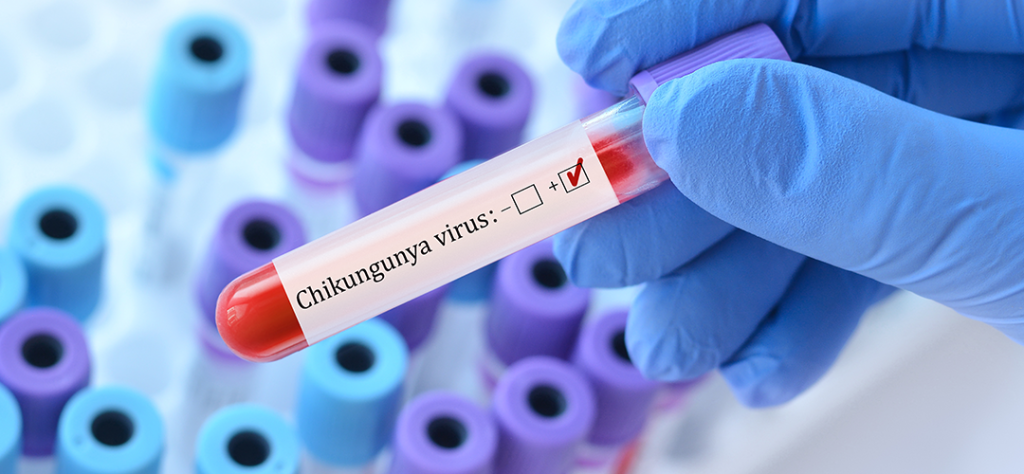
Table of Contents Help Others Discover – Click to Share! Facebook Twitter LinkedIn Table of Contents Throughout globally, communities continue to be impacted by illnesses spread through mosquitoes, especially during the warmer months of the year (the summertime and during periods of rainfall) when the population of mosquitoes grows rapidly. One of these illnesses that is still a major concern due to the debilitating joint pain and long-term effects associated with it is Chikungunya. While large-scale outbreaks have decreased in size, the potential for future outbreaks still exists. In order to prevent complications, it is very important to be aware of the symptoms associated with Chikungunya in order to seek medical attention quickly. Online digital health platforms like Cellmaflex help improve access to health care, as they allow patients to book an appointment with the physician online without needing to make a call, access their medical records anytime and from any location, and find physicians, pharmacies, laboratories and imaging centres in their area. This blog will provide an overview of the Chikungunya virus, common signs and symptoms associated with Chikungunya, methods of transmission, strategies for preventing Chikungunya, approaches for managing symptoms associated with Chikungunya, and information on how to utilize Cellmaflex throughout one’s health care journey. What is Chikungunya? Chikungunya is a viral infection caused by the chikungunya virus (CHIKV), an arbovirus transmitted primarily through the bite of infected Aedes aegypti and Aedes albopictus mosquitoes. These same mosquito species are also responsible for spreading dengue fever and Zika virus, making them particularly significant in tropical and subtropical regions such as the Caribbean. The name “chikungunya” originates from the Kimakonde language spoken in parts of East Africa and roughly translates to “that which bends up,” referring to the severe joint pain that causes many patients to stoop or struggle with movement. Unlike some viral infections that primarily affect the respiratory system, chikungunya has a strong musculoskeletal impact, particularly on joints and surrounding tissues. Once the virus is introduced into an infected host via the blood stream, it will replicate in the infected individual. In most cases, the onset of symptoms will occur between 3-7 days after exposure; however, some individuals may present earlier or later than this time frame, leading to confusion for some individuals’ clinicians due to the high incidence of people being sickened by dengue and/or influenza concurrently with a chikungunya illness. According to the WHO, chikungunya has now been identified in more than 110 countries across Asia, Africa, Europe, and the Americas. WHO also reported over 445,000 suspected and confirmed global cases in 2025 alone, highlighting the continued worldwide spread of the disease. Chikungunya Symptoms to Watch For One of the defining characteristics of chikungunya is the sudden onset of symptoms. Many patients report feeling completely healthy before rapidly developing high fever and debilitating pain within hours. Sudden High Fever A sudden fever, often exceeding 39°C (102°F), is usually one of the earliest signs of infection. The fever may last several days and is commonly accompanied by chills, weakness, and severe fatigue. Severe Joint Pain Among all Chikungunya symptoms, severe joint pain is the most distinctive feature. The pain frequently affects the wrists, ankles, knees, fingers, shoulders, and feet. In many cases, the discomfort is symmetrical, meaning both sides of the body are affected simultaneously. Some patients describe the pain as burning, throbbing, or intensely inflammatory. Mobility may become significantly restricted, making simple daily activities such as walking, dressing, cooking, or working difficult. Muscle Pain and Fatigue Muscle aches often occur alongside joint pain, contributing to profound physical exhaustion. Patients may feel drained for weeks, even after the fever subsides. Skin Rash A rash may appear several days after fever onset. It can present as red spots, flat patches, or mildly itchy eruptions across the trunk, arms, or legs. Headaches and Eye Discomfort Persistent headaches, sensitivity to light, and pain behind the eyes are additional Chikungunya symptoms frequently reported during the acute phase. Gastrointestinal Symptoms Some patients may also experience nausea, reduced appetite, abdominal discomfort, or mild vomiting, although these are generally less prominent than joint-related symptoms. Because these symptoms overlap with dengue and Zika infections, using Cellmaflex to locate nearby healthcare providers, diagnostic labs, and imaging centres can support faster evaluation and accurate diagnosis. Why Chikungunya Matters Although chikungunya is often considered a self-limiting illness, its impact can extend far beyond the initial infection period. Long-Term Joint Complications For some individuals, severe joint pain persists for weeks, months, or even years after the infection has resolved. Chronic inflammatory arthritis-like symptoms may develop, especially in older adults and patients with pre-existing joint conditions. Persistent Chikungunya symptoms can interfere with: Mobility Employment and productivity Physical exercise Sleep quality Mental wellbeing Independence in older adults People in jobs that require physical labour often have difficulty returning to their jobs because of continued stiffness or pain that they may still be feeling. Impact on Vulnerable Populations Older adults, individuals who are immunocompromised, pregnant individuals, and those with chronic illnesses are often affected by a more serious than expected course of the illness, or a delay to their recovery process. Economic and Community Burden Large-scale outbreaks of disease can cause extreme stress on both the healthcare system as well as on individual employees, employers and their families. More medical visits, less productive workdays, and longer rehabilitation periods all add to the overall socio-economic issues at stake. This is why ongoing access to digital healthcare management tools such as Cellmaflex is valuable. Patients can maintain their health records in one secure place, schedule follow-up appointments online, and monitor ongoing symptoms without unnecessary administrative barriers. How It Spreads in the Caribbean Context The Caribbean climate creates ideal conditions for mosquito breeding and viral transmission. Stagnant Water Breeding Sites Aedes mosquitoes lay eggs in stagnant water commonly found in: Buckets Flowerpots Old tyres Water storage containers Drains Outdoor containers Construction sites Even small amounts of standing water can become breeding grounds. Rainy Season Risks Heavy rainfall and warm temperatures significantly increase mosquito populations. During rainy seasons, communities often experience spikes in mosquito-borne illnesses, including dengue and chikungunya. Exposure to the Household and the Community Unlike mosquitoes that are typically active at night, Aedes mosquitoes are active during the day. As a result, increased access to households as well as more densely populated urban and suburban environments provides more opportunity for Aedes mosquitoes to transmit disease. As outbreaks can occur rapidly in communities, it is essential to engage with community members to help reduce the