


Malaria Symptoms Explained: From Early Warning Signs to Recovery
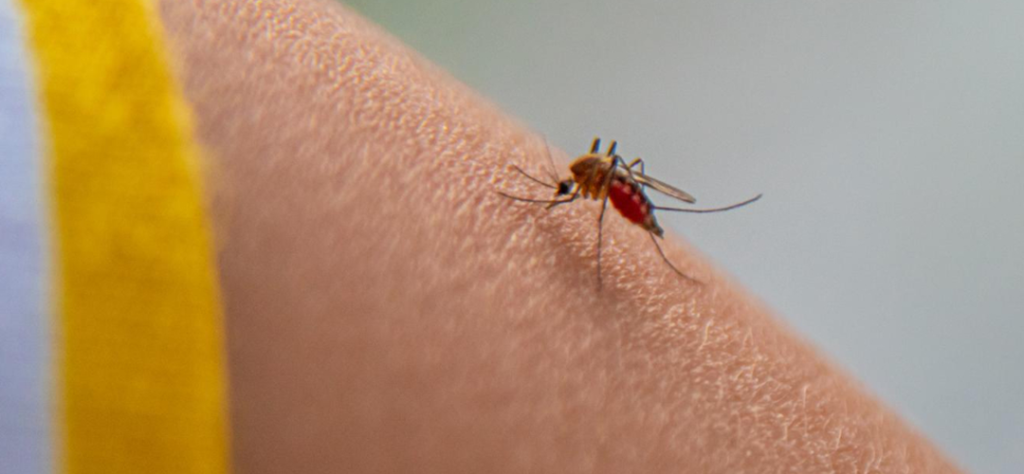
Table of Contents Help Others Discover – Click to Share! Facebook Twitter LinkedIn Table of Contents Even though malaria is not endemic to every area today, it is still an important global health issue. Exposure risk still exists due to increasing international travel and migration between countries, particularly for tourists travelling to malaria-endemic countries. Climate change is expanding the areas where people are at risk of malaria transmission. Early recognition of malaria symptoms and prompt access to appropriate medical care can improve treatment outcomes and greatly enhance recovery. Having quick access to healthcare is vital for people who have developed an acute illness. With Cellmaflex, patients can book their appointments online without the need for phone calls, view their medical records 24/7 from any location, and find the nearest healthcare suppliers including doctors, pharmacies, laboratories and imaging centres. This blog will provide information about malaria, common malaria symptoms, how malaria is transmitted, what methods are available for the prevention of malaria, treatments for malaria, and how improved access to digital healthcare can help to speed up the provision of healthcare to those affected by malaria. What is Malaria? Malaria is a serious disease caused by Plasmodium parasites, not viruses or bacteria. The transmission of this disease occurs by the bite of infected female Anopheles mosquitoes that feed during the dark hours of evening/night. Once the parasite enters the human body, it migrates to the liver, multiplies, and then infects red blood cells with a full-blown parasite infection. Several different species of Plasmodium infect humans, but the most deadly of the parasitic infections is Plasmodium falciparum, which can cause life-threatening complications when not treated promptly. Malaria remains common in many tropical and subtropical regions, including parts of Africa, Asia, Caribbean and South America. According to the World Health Organisation World Malaria Report 2025, there were an estimated 282 million malaria cases and approximately 610,000 malaria-related deaths globally in 2024, with Africa accounting for nearly 94% of cases and 95% of deaths worldwide. In the Caribbean, malaria transmission remains largely concentrated on the island of Hispaniola. Recent regional data showed that Haiti reported approximately 38,591 confirmed malaria cases in 2024, while the Dominican Republic reported around 1,246 confirmed cases, reflecting ongoing elimination efforts across the region. Symptoms to Watch For Early malaria symptoms often resemble flu-like illnesses, which can sometimes delay diagnosis. However, symptoms can worsen quickly if treatment is delayed. Common malaria symptoms include: Fever, often recurring in cycles Chills and sweating Headache Fatigue and weakness Muscle aches Nausea or vomiting Loss of appetite As the disease gets worse, patients may develop extreme tiredness, dehydration, trouble breathing, confusion and/or have convulsions. Because symptoms can escalate rapidly, especially with Plasmodium falciparum, early medical evaluation is critical. Through Cellmaflex, patients can quickly book consultations and access healthcare providers if symptoms develop after travel or mosquito exposure. Why Malaria is Serious Malaria is not just a passing fever. If a malaria infection is not treated, the disease could kill, as well as cause significant damage to the brain, kidneys, lungs and liver. Severe complications may include: Severe anaemia Kidney failure Respiratory distress Cerebral malaria Multi-organ failure The populations that may be at higher risk for developing a serious case of malaria include children, pregnant women, senior citizens, and anyone travelling to an area where they do not have prior immunity. If you begin to notice an increase in the severity of your symptoms associated with malaria, you should seek medical attention as soon as possible to prevent potential complications and hospitalisation. How Malaria Spreads Malaria is transmitted mainly by the bite of an infected Anopheles mosquito, and this occurs most frequently when travelling to areas where malaria exists. Importantly, malaria does not spread through casual contact such as: Hugging Sharing food Coughing or sneezing Symptoms may appear days or weeks after exposure, which is why recent travel history is important during medical consultations. Maintaining accessible health records through Cellmaflex can help support faster clinical assessment. Prevention: How to Protect Yourself Preventing malaria mainly involves reducing mosquito exposure. Key prevention measures include: Using mosquito repellents Sleeping under mosquito nets Wearing long-sleeved clothing Using window screens or indoor protection Taking prescribed preventive medication before travelling Travellers can also use Cellmaflex to book pre-travel consultations, locate pharmacies, and access healthcare support before and after travel. When to Seek Medical Care You should seek medical attention immediately if you develop fever or other malaria symptoms after travelling to areas where malaria is common. Seek urgent care if symptoms include: Persistent fever Severe fatigue Chills and sweating Vomiting Confusion Difficulty breathing Prompt testing and diagnosis are critically necessary, as delayed treatment greatly increases the chance of developing serious complications from malaria. With Cellmaflex, patients can quickly locate nearby healthcare providers, labs, and pharmacies for faster support. Treatment and Recovery Malaria can be treated effectively with the appropriate medications. The type of parasite, severity of illness, and geographic location where exposure occurred will be the factors that determine treatment options. Some examples of common disease treatment include artemisinin-based combination therapy and other prescription drugs. If treatment is delayed, the patient is more likely to develop serious complications and require hospitalisation. The sooner you receive proper medical care and begin a regimen of prescribed medication, the better your chance of recovery. For this reason, it is very important for individuals to recognize the signs and symptoms of malaria early on. Patients need to complete the entire course of treatment as prescribed even after symptoms have resolved; if you experience similar signs and symptoms again, please return to the health care facility for another assessment. How Cellmaflex Can Help Cellmaflex supports faster and more convenient healthcare access by helping patients: Book online appointments easily Access medical records anytime and anywhere Find nearby doctors and specialists Locate pharmacies, labs, and imaging centres Manage follow-up consultations efficiently Connected healthcare provides an opportunity for at-risk patients to receive faster diagnoses and treatments for malaria. Malaria is a preventable and curable disease that remains a major global health problem. It is imperative that anyone experiencing the symptoms of malaria, especially if they have travelled or been exposed to mosquitoes, can seek timely diagnosis and care to recover safely. Preventing malaria, rapidly testing for malaria infection, and receiving timely medical care impact significantly the extent of complication associated with malaria infection. Digital health technology solutions, such as Cellmaflex, give patients more convenient access to their healthcare providers, electronic medical records, pharmacies, and