

Automation in EHR: Connected Care with Cellma
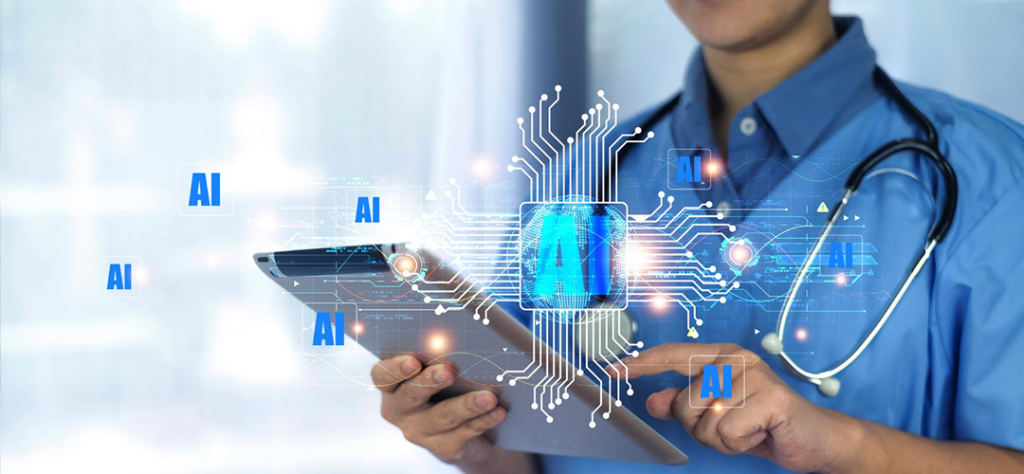
Table of Contents Help Others Discover – Click to Share! Facebook Twitter LinkedIn Table of Contents The NHS is rapidly moving toward digitally connected healthcare, but the pressure on healthcare systems continues to grow. NHS IT spending reached £4.1 billion in 2025, while £1.9 billion has already been invested into frontline digitisation programmes to strengthen EPR adoption across trusts. Despite this, only 20% of NHS providers are considered digitally mature. This is precisely why automation within the EHR environment is critical to all modern health systems today. Health organisations are looking for more than simply digital records – they are looking for an integrated ecosystem with transparency into operations, smart workflows, safe interoperability, AI clinical support and truly collaborative care delivery. Considering the NHS’s 10-year plan, which aims for Al powered hospitals, virtual wards, neighbourhood care centres, connected care delivery and integrated patient pathways, the range and utility of EHR automation will only increase across all sectors of the healthcare landscape from acute, community, mental health to virtual care. Cellma aligns closely with this NHS transformation strategy by delivering an integrated EHR ecosystem designed for intelligent healthcare delivery. From AI-ready workflows and predictive patient insights to secure interoperability and real-time care coordination, Cellma supports providers in creating connected healthcare systems built for the future. Why Automation in EHR Is Becoming Critical Health systems are facing more patients, labour shortages, operational inefficiencies, and the need for rapid access to care. Existing fragmented solutions typically cause delays from referrals to discharge planning, to triage to scheduling, to diagnostics to care coordination. Automation in EHR helps health systems streamline processes by connecting workflows, automating administrative tasks, increasing data visibility and accelerating clinical decision-making. The NHS has already seen measurable benefits from automation and AI-driven systems: AI-powered stroke pathways are helping accelerate treatment decisions. AI documentation tools are giving clinicians more time with patients. Intelligent theatre scheduling is improving operational efficiency and patient flow. How Cellma Supports Intelligent Healthcare Delivery Cellma delivers a connected healthcare ecosystem designed to support automation in EHR across every stage of the patient journey. Intelligent Workflow Automation Healthcare teams often lose valuable time managing fragmented administrative tasks manually. Cellma enables intelligent workflows for automated referrals, appointments, discharge management, patient flow tracking, documentation assistance and operations coordination. This helps healthcare providers to alleviate the burden on administrators and improve workflow across different departments and care settings. AI-Ready Clinical Decision Support As healthcare organisations adopt AI-driven tools, connected EHR systems become critical for ensuring accurate and secure clinical support. Cellma supports: AI-based drug interaction prompts Ambient voice technology Clinical decision support tools Predictive patient data visibility Real-time patient information sharing Safer prescribing workflows These capabilities help clinicians make faster and more informed decisions while reducing risks associated with fragmented patient data. Supporting Virtual Wards and Neighbourhood Care Centres One key element highlighted in the NHS 10-Year Health Plan is the move towards neighbourhood care centres and virtual wards to relieve pressure on acute services and to manage care within the community closer to home. Automation in EHR plays a major role in enabling these models of care. Cellma supports virtual care delivery through connected patient records, remote access to patient information, coordinated multidisciplinary workflows, and secure interoperability between hospitals, community services, mental health teams, and virtual care providers. For neighbourhood care centres, Cellma allows providers to manage diagnostics, referrals, appointments, community-based care, and follow up care through one consolidated digital system. This increases continuity of care and removes fragmenting elements between care settings. Interoperability: The Foundation of Connected Healthcare One of the key challenges in the delivery of modern, efficient care is that different systems do not work together effectively. Interoperability ensures there are no delayed referrals, no incomplete patient histories, no duplicate administrative effort, and no non-integrated care pathways. Through its advanced interoperability, Cellma facilitates automated EHR management by connecting systems and their data across the care system securely. Cellma supports: HL7 and FHIR-ready interoperability SNOMED CT and dm+d standards NHS Spine integration support CIS2, PDS, and eRS integration capabilities Secure APIs and encrypted data exchange Real-time interoperability across acute, community, mental health, and virtual care settings This gives healthcare professionals the ability to obtain linked patient details while increasing operational visibility and coordination throughout care delivery. Security, Governance and Privacy of Data in Automation of EHR As the Healthcare Automation sector continues to grow, cyber security and governance become imperative to meet regulatory compliance for these systems. AI Integrated healthcare systems will require secure data exchanges with role-based access, auditability and robust information governance compliance. Cellma supports secure healthcare delivery through: GDPR-compliant data handling Role-based access controls Audit trails and activity monitoring Secure information exchange ISO 27001-aligned information security processes DSPT and Cyber Essentials Plus alignment Tackling Acute Care Challenges Through Automation in EHR Acute care providers often face operational bottlenecks across emergency pathways, diagnostics, discharge planning, theatre scheduling, and patient flow management. Cellma helps tackle these challenges through: Connected patient records Real-time operational visibility Intelligent scheduling workflows Automated coordination processes AI-ready triage support Predictive care insights By reducing fragmentation and improving workflow efficiency, healthcare providers can support faster decisions, safer care delivery, and better patient outcomes. The Future of Healthcare Is Connected and Intelligent Future of healthcare is based around connected digital networks, supporting AI, automation, predictive treatment, interoperability, and secure data sharing in every setting within healthcare. Automation in EHR is becoming the backbone of this transformation. As healthcare systems transition toward AI- enabled hospitals, virtual wards, neighbourhood care centres and integrated care pathways, organisations require the technologies platforms to enable efficiency and care coordination. Cellma delivers a unified healthcare ecosystem built for modern healthcare demands, connecting EHRs, intelligent workflows, automation, interoperability, clinical decision support, and secure real-time data sharing into one connected platform. Book a Free Demo Recent Blogs Let’s transform healthcare together. Speak with RioMed for a tailored solution. Get in Touch FAQs