


Understanding Herpes Symptoms: A Complete Guide to Diagnosis and Care
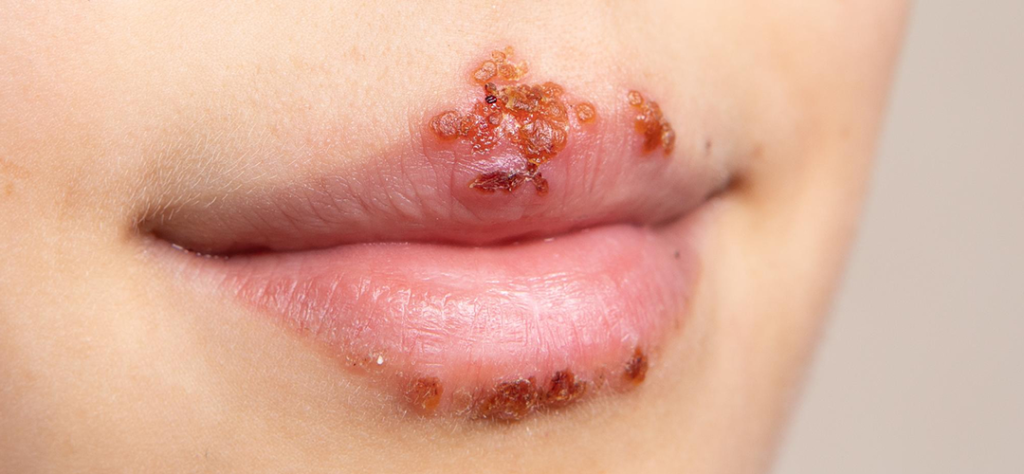
Table of Contents Help Others Discover – Click to Share! Facebook Twitter LinkedIn Table of Contents Herpes is one of the most common viral infections in the world, yet it remains surrounded by misunderstanding and unnecessary stigma. Many people assume herpes always causes obvious sores or painful outbreaks, but the reality is very different. In fact, countless individuals are unaware they have the virus because their symptoms are mild, mistaken for another condition, or absent altogether. Recognising herpes symptoms and understanding how the infection spreads can help people make informed decisions, seek timely medical advice, and protect both their own health and that of their partners. Managing your sexual health has become easier through the use of digital health solutions such as Cellmaflex. Rather than having to make calls for an appointment, you are now able to book appointments online, access your complete medical history anywhere and at any time and locate nearby doctors, pharmacies, laboratories, and imaging centres from a single platform. In this blog, we will discuss herpes, what it is and why it matters, common herpes symptoms, how the herpes virus spreads, the types of testing and treatment options that are available, how to reduce your risk of transmitting the herpes virus, when to seek help from your doctor and how to live a healthy and fulfilling life with herpes through proper care and support. Book an STD Panel today What is Herpes? Herpes is a viral infection caused by the herpes simplex virus (HSV). HSV causes fluid-filled blisters that break open and crust over wherever the infection is. This is known as a herpes outbreak. But it’s also possible to have no symptoms and not realize you’re infected. HSV is highly contagious. It spreads from person to person through skin-to-skin contact. A herpes simplex infection occurs when the virus enters your body through your skin and mucous membranes (mucosa). The virus uses your cells to make copies of itself (replication). The incubation period for herpes simplex infections ranges from one to 26 days but is typically six to eight days. This is how long it takes for you to develop symptoms after first getting infected with HSV. Some people get infected but don’t develop symptoms right away. Instead, symptoms may not appear for months or even years until the virus reactivates. Once a person becomes infected, the virus remains in the body for life, although it may remain inactive for long periods without causing noticeable problems. There are two primary types of herpes simplex virus: HSV-1: most commonly causes oral herpes, leading to cold sores or fever blisters around the mouth. HSV-2: more commonly associated with genital herpes. Although either type can infect the mouth or genital area depending on the type of exposure. After the initial infection, the virus settles within nerve cells where it can become dormant. Some people experience occasional outbreaks throughout their lives, while others may never notice symptoms again. Because herpes often produces few or no symptoms, many people unknowingly carry the virus. This makes regular sexual health awareness and timely medical consultation especially important. If you notice any unusual changes, you can quickly use Cellmaflex to book an online appointment with a healthcare professional and access your previous consultation records whenever needed. Why Should You Care about Herpes? Herpes is one of the most common viral infections worldwide. Despite being so common, there is still a great deal of misinformation about herpes, which often leads to the embarrassment and fear and therefore keeps many from getting accurate information or seeking medical help. Globally, the WHO estimates that 3.8 billion people under the age of 50 (64%) are living with HSV-1, while 520 million people aged 15–49 (13%) are living with HSV-2, making herpes one of the most common viral infections worldwide. In Latin America and the Caribbean, the estimated HSV-2 prevalence is 21.6% among adults aged 15–49, which is significantly higher than the global average and highlights the considerable regional burden of genital herpes. One of the primary problems with herpes is that the majority of those infected, never receive a diagnosis since they either do not exhibit symptoms at all or have such mild symptoms, that they misidentify them as a different skin condition. Not knowing that they have the virus, those who are infected can unintentionally transmit it to others. Understanding herpes is important because it empowers individuals to: Recognise possible warning signs early. Seek appropriate medical evaluation. Reduce the likelihood of transmission. Make informed decisions about sexual health. Reduce unnecessary anxiety caused by myths and misconceptions. With digital platforms like Cellmaflex, individuals can discreetly locate nearby healthcare providers, book appointments online, and access their health information without unnecessary delays, making sexual healthcare more accessible and convenient. Common Herpes Symptoms Recognising herpes symptoms early can help individuals receive appropriate medical advice and begin treatment sooner. Symptoms often vary from person to person, and the first outbreak is typically more noticeable than later recurrences. Common symptoms include: Painful Blisters or Sores Small, fluid-filled blisters may appear around the mouth, lips, genitals, buttocks, or surrounding skin. These blisters eventually break open to form painful ulcers before healing. Tingling, Burning, or Itching Many people experience a tingling, itching, or burning sensation before visible sores appear. This is often referred to as the “prodrome” stage and may signal an upcoming outbreak. Painful Urination If sores develop near the urinary tract, passing urine may become painful or uncomfortable. Swollen Lymph Nodes During an initial herpes outbreak, your body’s immune systems may produce swollen lymph nodes. Flu-like symptoms An initial outbreak could accompany symptoms such as a fever, muscle aches, malaise, headaches, or fatigue. Recurrent Outbreaks Subsequent outbreaks are usually milder, shorter, and less painful than the initial episode. No Noticeable Symptoms Many individuals experience no obvious herpes symptoms, making routine sexual health awareness especially important. If you notice any unusual sores or persistent discomfort, you can use Cellmaflex to arrange an appointment with a healthcare provider without needing to make a phone call and review your medical history before your consultation. Showing Symptoms How is Herpes Transmitted? Herpes spreads primarily through direct skin-to-skin contact with an infected person. Transmission may occur through: Oral sexual contact. Vaginal intercourse. Anal intercourse. Kissing when oral herpes is present. Contact with infected skin during an active outbreak. Herpes may be transmitted even if there is no apparent outbreak and is referred to as asymptomatic shedding, meaning that the infection is active on the skin without causing any visible signs. Additionally, sharing personal belongings that have been in contact with infected secretions can also increase the likelihood of transmission in rare instances. Because