District Nursing Teams Deserve Better: How Cellma Connects Community Care
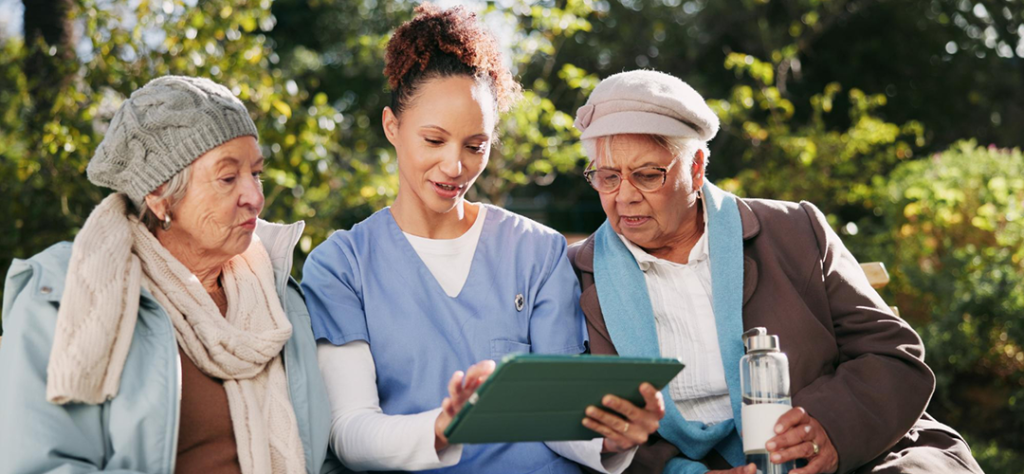
Table of Contents Help Others Discover – Click to Share! Facebook Twitter LinkedIn Table of Contents THE NUMBERS TELL THE STORY: Between 2010/11 and 2024/25, full-time equivalent district nurses fell by 43% – while demand for care kept climbing. Community health services, unquestionably, are facing heavier workloads. Between 2010–11 and 2024–25, the number of full-time equivalent district nurses dropped by 43%, although the demand for care remained high. It should also be noted that the caseloads increased by 600 patients i.e. from 11.5% in 2019 to 16.2% in 2023. This trend means that health care providers are now taking care of more patients with fewer resources at their disposal. These numbers illustrate that district nursing teams require not just siloed electronic devices, but a connected Electronic Health Record (EHR) system that can accommodate care delivery wherever it takes place. Since community care has become increasingly dependent on electronic engagement, the secure Patient Portals that are integrated into the NHS App enable the patient to manage his appointments, treatment plans, and clinical information whilst allowing the health professionals to continue communicating. Here Cellma comes into play, providing an integrated solution to replace disparate systems with one interoperable platform specifically designed for contemporary community care. Supporting the NHS 10-Year Health Plan with Connected Community Care The NHS 10-Year Health Plan sets a clear direction for healthcare: ✓ Shifting care from hospitals to communities ✓ Creating a Single Patient Record by 2028 ✓ Ensuring 95% of people with complex needs have an agreed care plan by 2027 ✓ Expanding neighbourhood health centres ✓ Introducing AI-assisted clinical documentation Cellma facilitates accurate information sharing by employing HL7 FHIR, CareConnect APIs, Transfer of Care (ToC) messaging, MESH integration, SNOMED CT, ICD-10/ICD-11, DM+D, and Patient Portal interface, GP Connect, and the Personal Demographics Service (PDS) functionality, along with a few more noticeable options provided on the market nowadays. Besides, Cellma is one of the most reliable platforms in the connected health industry due to its compliance with the standards of ISO 27001, ISO 14001, ISO 9001, NHS DTAC, DSP Toolkit (DSPT), UK GDPR, and Cyber Essentials Plus. Why Fragmented Systems Are Holding Community Care Back Many health care providers in the community continue to rely on many independent systems to manage the documentation of patients, appointments, referrals, documentation, telemonitoring, and communication. This disconnected situation creates a number of operational difficulties. Clinicians often write down their consultations on paper or through offline notes, entering them into separate systems at the end of the day. This means that clinical updates are delayed, administrative burden is increased, and health care workers such as tissue viability nurses, physiotherapists, podiatrists, and GPs are unable to get the necessary information when they need it. Disconnected systems also lead to: Duplicate clinical documentation Delayed multidisciplinary communication Limited visibility of patient caseloads Inconsistent care planning Reduced clinician productivity Poor patient engagement Higher risks of missing critical clinical information Instead of supporting care delivery, fragmented tools create additional work for already overstretched clinicians. How Cellma Supports District Nursing Teams Mobile Point-of-Care Documentation Community nurses rarely work from a desk. Cellma enables secure mobile access with offline capability, allowing clinicians to record assessments, wound care, medications, observations, and treatment notes directly during home visits even if mobile connectivity is unavailable at the time. Once connectivity is restored, information synchronises automatically across the EHR, ensuring every member of the multidisciplinary team has immediate access to the latest patient record. This enables district nursing teams to spend more time delivering care instead of completing paperwork. Real-Time Caseload Management Growing caseloads require better operational visibility. Cellma provides live dashboards showing: Individual clinician workloads Team caseload distribution High-risk patients Outstanding visits Care plan reviews Service performance indicators Managers can balance workloads more effectively while ensuring patients receive timely interventions. Structured Clinical Assessments That Improve Care Quality When workloads increase, important assessments are often delayed or missed. Cellma includes configurable assessment templates covering: Physical health Psychological wellbeing Continence management Tissue viability Falls risk Pressure ulcer assessments Long-term condition reviews Safeguarding Medication reviews Structured workflows help ensure consistent documentation and reduce the likelihood of essential care being overlooked. Digital Care Planning That Meets National Goals The NHS aims for almost every patient with complex needs to have an agreed care plan. Cellma enables clinicians to create, review, and update personalised care plans within a shared patient record. These plans remain accessible across community nursing, general practice, hospital teams, virtual wards, allied health professionals, and social care where appropriate, helping district nursing teams deliver coordinated care throughout the patient journey. Built for Integrated Community Healthcare Modern community care depends on collaboration. Cellma supports multidisciplinary working by giving authorised professionals access to a shared patient record with real-time updates. Whether care is delivered by: District nurses GPs Community matrons Physiotherapists Occupational therapists Tissue viability specialists Mental health professionals Virtual ward clinicians ……everyone works from the same up-to-date information. This reduces duplication, improves communication, and supports faster clinical decision-making. Interoperability That Connects the Entire NHS Healthcare organisations often struggle because information remains trapped inside isolated systems. Cellma addresses this through comprehensive interoperability, including: HL7 FHIR two-way interoperability CareConnect APIs Transfer of Care (ToC) messaging MESH messaging GP Connect Personal Demographics Service (PDS) Summary Care Record (SCR) NHS e-Referral Service (e-RS) Electronic Prescription Service (EPS) Open RESTful APIs SNOMED CT clinical coding ICD-10 and ICD-11 coding DM+D medication standards These integrations ensure patient information follows individuals across primary, secondary, community, and virtual care settings, creating a truly connected healthcare ecosystem. Secure, Compliant and Future Ready Cellma supports: NHS DTAC NHS DSP Toolkit (DSPT) UK GDPR Cyber Essentials Plus ISO 27001 Information Security ISO/IEEE 11073 connected device standards OAuth 2.0 authentication TLS 1.2 secure communication Signed JWT authentication Clinical Safety Officer governance These standards ensure secure information sharing while protecting sensitive patient data across community settings. Designed Around Clinicians Technology should reduce workload—not create more of it. Cellma has been designed to eliminate duplicate documentation by keeping all patient information within a single integrated record. The platform also supports: ✓ Intuitive workflows ✓ Faster documentation ✓ Privacy-conscious screen layouts for home visits ✓ Reduced administrative burden ✓ Easier navigation ✓ Consistent clinical documentation As the NHS introduces ambient AI documentation, Cellma is also positioned to support AI-powered clinical scribing, helping clinicians spend less time typing and more time with patients. Patient Engagement Beyond the Home Visit Community care extends beyond scheduled visits. Cellma’s secure Patient Portal, integrated with the NHS App, enables patients to: View appointments