


Psychiatric EHR Solution: Supporting Smarter Mental Health Care with Cellma

Table of Contents Help Others Discover – Click to Share! Facebook Twitter LinkedIn Table of Contents Mental health challenges are increasing, especially for young adults. 1 in 5 children and young people between 8 – 25 years old in the UK had a probable mental disorder, according to NHS Digital (2023). In England, 1 in 4 people are suffering from a mental health problem on a yearly basis. With in excess of 2 million waiting for NHS mental health care and over 6 million referrals made each year, the need has never been stronger for a productive, scalable psychiatric EHR solution. Care for mental illness is complicated, highly personal, and frequently multi-disciplinary. A conventional one-size-fits-all system isn’t equipped to manage the complexity. That is where Cellma comes in. Cellma, a psychiatric EHR solution is fully compliant with NHS standards and supports all major integrations to ensure interoperability across systems. These include: Mental Health Services Data Set (MHSDS) – capturing demographics, referrals, care plans, outcomes, and crisis plans. Improving Access to Psychological Therapies (IAPT) – monitoring sessions, recovery metrics, and patient-reported outcomes like PHQ-9 and GAD-7. SNOMED CT coding – for consistent, structured data entry. Electronic Prescription Service (EPS) – for safe medicines and smooth pharmacy connectivity. MESH (Message Exchange for Social Care and Health) – secure transfer of referral and dataset data. Cellma is also Data Security and Protection Toolkit (DSPT) compliant, GDPR compliant and Cyber Essentials Plus Certified. Challenges of the Psychiatric Departments Psychiatric departments consistently experience: Fragmented records across services Long waiting lists and poor care coordination Gaps in risk assessment for suicidal or self-harming ideation Challenge to monitoring longitudinal progress Poor documentation of crisis interventions Poor access to family and social history No real-time information to monitor relapse or side effects from medication A robust psychiatric EHR solution like Cellma, will address all the above while being user-friendly, simple to use and flexible enough to fit clinical workflows. What to Look for in a Psychiatric EHR Solution: The Clinical Strength of Cellma Choosing the most suitable psychiatric EHR solution entails selecting a system that addresses problems of mental health treatment in the best possible manner. Cellma offers an integrated, clinically focussed solution rather than mere record-keeping on a minimal basis. Each module is tailored specifically to meet psychiatric team needs, enable patient-focussed treatment, and support NHS standards. Patient Admission and Scheduling Psychiatric care typically requires urgent interventions, risk-adjusted triage, and team assessment. Cellma’s PAS module accommodates freeform appointment types (e.g., virtual, inpatient, and house calls), has urgent walk-in for suicidal ideation, and prioritises most highly comorbid patients. Its admissions module simplifies patient flow procedures in crisis units, safe wards, and CAMHS without continuity break during transfers or readmissions. Electronic Patient Record (EPR) Cellma’s EPR module can be extensively configured for psychiatric treatment. It facilitates formal psychiatric assessments, mental state examination (MSE), risk assessment (e.g. suicide/self-harm), safeguarding reports, and ICD-10 and SNOMED CT-compatible diagnoses. It has provision for longitudinal tracking of chronic conditions such as schizophrenia or bipolar disorder, with visibility between clinical teams and between care levels, from community outreach to forensic psychiatry. Document Management In mental health, the documentation is vital. Cellma’s document management module provides secure storage and categorisation of tribunal reports, psychotherapy notes, neurodevelopmental assessments (such as for ADHD or ASD), social worker correspondence, and safeguarding forms. Role-based access controls mean that sensitive documents (such as concerning abuse or family court cases) are kept safe yet easily accessible to authorised clinicians. Communication Module Successful mental health treatment depends on communication, among clinicians, patients, and families. Cellma’s communication module facilitates encrypted team messaging, automated appointment reminders, alert notifications for risk increases (e.g. escalating behaviours), and even consent-based communication with next-of-kin. It also captures multidisciplinary meeting notes, enhancing care coordination for complex patients with multiple agency involvement. E-Pharmacy Psychotropic medication should be under close supervision. Cellma’s e-pharmacy module allows for safe prescribing of antipsychotics, antidepressants, lithium, and anxiolytics with contraindication alerts, ECG/lithium monitoring schedule reminders, and antipsychotic high-dose thresholds. It allows for collaborative medication plans for dual diagnosis and forensic patients and can be integrated with the Electronic Prescription Service (EPS) to facilitate outpatient continuity. Wards and Bed Management While psychiatric inpatient beds are under pressure, visibility in real time is essential. Cellma bed management system charts availability across general psychiatric wards, PICUs, mother and baby units, and Section 136 suites. It supports gender-sensitive disposition, out-of-area discharges, and pinpoints delayed discharges. This is essential in the management of the NHS’s reduced inpatient capacity, particularly in high-acuity environments. Multidisciplinary Team (MDT) Module Cellma’s MDT module within its psychiatric EHR solution enables coordinated care across psychiatry, psychology, nursing, occupational therapy, and social work. It facilitates structured case discussions, CPA reviews, safeguarding meetings, and crisis planning, all documented in real time. Each contribution is timestamped and role-attributed, ensuring accountability. This module supports shared goal setting and risk management for patients with complex mental health needs, enhancing care continuity and informed decision-making. Finance and Billing While the majority of NHS psychiatric care is publicly funded, Cellma handles specialist billing cases, like medico-legal reporting, private consultation psychiatry, or foreign visitor services. It bridges funding streams to clinical pathways (e.g., IAPT or CAMHS), so treatment episodes are properly costed and billed, whereby they contribute to the integrity of reporting and reimbursement. Business Reporting and Intelligence From IAPT and MHSDS compliance to internal clinical audits, Cellma’s BI module delivers the insights that drive care and governance. Clinicians can track the results of therapy (HoNOS, PHQ-9, GAD-7), view prescribing trends, and see the results of crisis interventions. By integrating these clinically robust reports, Cellma’s psychiatric EHR solution creates a 360-degree view of the psychiatric department. Patient Portal Cellma’s Patient Portal enables psychiatric care through the empowerment of patients to stay involved in treatment. Secure access to visit, counselling sessions, and outcome measures such as PHQ-9 and GAD-7 are available. Access to antidepressant or antipsychotic medication regimens is also made available for the patients and reminders for better adherence support. Secure group communication with
Migraine Types and Symptoms, Triggers & Treatment

Table of Contents Help Others Discover – Click to Share! Facebook Twitter LinkedIn Table of Contents Migraines are not just a painful headache; they’re a multifaceted neurological condition that can interfere with all aspects of your life. From the debilitating pain to the secondary symptoms such as nausea, sensitivity to light, and even visual auras, migraines can be hard to get a grip on. With Cellmaflex, you can book online appointments without making a phone call, access your complete medical history from anywhere, and stay up to date with treatment plans, leading to easier access to medical help. In this blog, we’ll explore migraine types and symptoms, their triggers, impacts on daily life, and the treatment options available. What are Migraines? A migraine is not simply a headache, it’s a neurological disorder that produces severe, incapacitating pain, frequently accompanied by nausea, vomiting, and sensitivity to light and noise. Migraines may last from a few hours to a few days and can disrupt work, school, and social life. Knowledge of migraine types and signs is essential for prevention as well as treatment. This blog will guide you in recognising the various kinds of migraines and learning about their triggers, so that you can take charge of your migraine wellbeing. Prevalence of Migraines and Why It’s Important to Understand Them According to WHO, globally, headache disorders affected approximately 40% of the population, or 3.1 billion people in 2021, and are more common in females compared to males. Knowing about migraine types and symptoms is important because it enables individuals and medical professionals to better control treatment and prevent triggers. If you have migraines, knowing the causes and types of migraines can enable you to make better decisions regarding your health. What are the Phases of a Migraine? There are four phases or stages of a migraine: Prodrome: The first phase begins up to 24 hours before you experience a headache. Aura: An aura is a group of sensory, motor and/or speech symptoms that act as a warning sign of a migraine headache. The aura phase can last as long as 60 minutes or as little as five. You might experience both the aura and the headache at the same time. Headache: A migraine headache lasts between four hours to 72 hours. Postdrome: The postdrome stage usually lasts for a few hours up to 48 hours. Symptoms feel similar to an alcohol-induced hangover, which is why the postdrome phase is known as a migraine hangover. It can take about 8 to 72 hours to go through the four stages. Migraine Symptoms Migraine symptoms differ depending on the stage. Each migraine is unique, and you won’t always have symptoms during all four stages of each migraine. Prodrome symptoms: Mood change Problems concentrating Sleep difficulty Fatigue Nausea Increased appetite and thirst Urgent need to urinate Aura symptoms: Muscle weakness Vision change Ringing in your ears (tinnitus) Sensitivity to touch (as if someone were touching you) Numbness and tingling Problems speaking or concentrating Headache Attack Symptoms Headache slowly becomes more severe. It may occur on one side of your head or both. It may be accompanied by other symptoms such as: Nausea and vomiting. Sensitivity to light, sound and smell Postdrome symptoms Fatigue Stiff neck Sensitivity to light and sound Difficulty concentrating Nausea Dizziness What Does a Migraine Feel Like? Pain from a migraine headache can feel like the following: Throbbing Pulsing Pounding Dull A migraine may feel different to every individual. A migraine headache may be either mild or severe. Head pain may begin on one side and change over to the other side. You could also have pain near your eyes or temple, and occasionally near your face, sinuses, jaw or neck. Causes and Triggers of Migraines a. Underlying Causes Genetics: Your family history has a lot to do with the potential to get migraines. If your mother or father gets migraines, you are apt to get them too. Neurological and Hormonal Factors: The brain chemicals, including serotonin, are sometimes out of balance and lead to migraines. Changes in hormones, particularly in women, tend to be associated with the development of migraine. b. Common Triggers Stress and Changes in Sleep: Emotional and physical stress are among the most common triggers of migraines. Inadequate sleep or disruption of your sleep cycle can also be triggers. Diet and Dehydration: Specific foods, such as aged cheese, chocolate, and caffeine, can trigger migraine. Dehydration is also a major trigger that can worsen symptoms. Hormonal Changes: Most women have migraines during their menstrual cycle because of hormonal changes. Environmental Triggers: Bright lights, pungent smells, and changes in the weather are typical environmental migraine triggers. Migraine Types a. Migraine Without Aura Migraine without aura, also known as a common migraine, is a type of migraine headache that doesn’t involve any warning signs, such as visual disturbances or sensory changes, before the headache. It is the most frequent kind of migraine and usually consists of one-sided, throbbing pain. b. Migraine With Aura Migraine with aura, also known as classic migraine, is a headache that is preceded or accompanied by sensory disturbances called auras, such as visual changes, tingling, or numbness. c. Chronic Migraine Chronic migraine is defined as experiencing headaches for 15 or more days a month, for at least three months, with at least eight of those days having migraine features. d. Menstrual, Hemiplegic, Vestibular, and Retinal Migraines These are less frequent but encompass menstrual-related migraines, hemiplegic migraines (temporary paralysis), vestibular migraines (dizziness), and retinal migraines (vision). Every migraine type and symptom can have different degrees of severity and duration, hence, recording your symptoms in detail is necessary to determine effective treatments. The Influence of Migraines on Daily Life and Mental Health Migraines can have a huge impact on your private and public life. They undermine your capacity for work, study, or participation in social
Cellma: How an ENT EHR Can Help Streamline Workflow
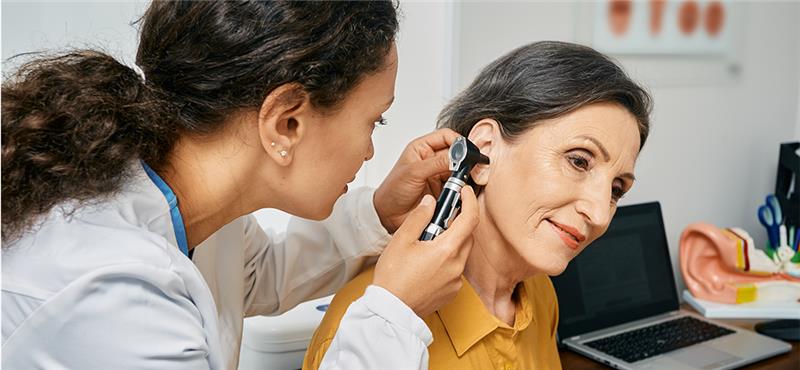
Table of Contents Help Others Discover – Click to Share! Facebook Twitter LinkedIn Table of Contents As 1 in every 6 adults in the UK suffers from hearing loss and ENT departments become even more stretched, how an ENT EHR will streamline your operations is a question many trusts are actively seeking to answer. From scheduling audiology caseloads through to care management for tinnitus, cochlear implant, and complex balance patients, effective digital systems are now not a matter of choice, but a must. As of 2024, there are over 11 million people in the UK with hearing loss, yet only 2 million use hearing aids, and the majority are undiagnosed, according to BAA Audiology. This unseen disability needs smarter workflows, connected care, and instant access to information all of which Cellma provides. NHS-Compliant and Fully Integrated Cellma’s ENT EHR complies with all major NHS requirements, ensuring trust-wide interoperability and conformity: NHS Spine integration for Summary Care Records and live demographic updates by PDS. SNOMED CT coding for structured clinical documentation. Audiology Data Set (ADS), Community Services Data Set (CSDS), and Commissioning Data Sets (CDS) for secondary care tracking and reporting. Complete integration with e-Referral Service (e-RS) for efficient referrals from GPs to ENT specialists. Compliance with Accessible Information Standard (AIS) for hearing-impaired patients. Data Security and Protection Toolkit (DSPT) qualified, with Cyber Essentials Plus accreditation for complete data security. Challenges in ENT Services ENT clinics experience increasing clinical pressures: Hearing aid fittings delayed through manual booking. Disjointed referrals between GPs, audiologists, and surgical teams. Invisibility over patient pathways from diagnostics through to rehabilitation. Struggling to manage patients with double pathologies, e.g., tinnitus and vertigo, because of fragmented documentation. This is exactly how an ENT EHR can help streamline your workflow with a solution like Cellma. How Cellma, an ENT EHR Can Streamline Your Workflow Cellma provides a specialist ENT EHR that addresses the complete care pathway from referral and diagnosis through to surgery and follow-up. Clinically informative modules tailored specifically for ENT and Audiology, this is how an ENT EHR can streamline your workflow while supporting NHS compliance and enhancing patient outcomes. Patient Administration System (PAS) Cellma’s PAS module has been created specifically to handle the complex scheduling and tracking demands of ENT services. ENT clinics often have flawed appointment flows, from the first GP referral, to diagnostic work-ups and follow-up reviews. The PAS accommodates multi-provider appointment bookings, flagging of priority cases (e.g. sudden sensorineural hearing loss), and cohort tracking for high-risk patients such as cochlear implant recipients. By linking appointments with consultant caseloads and clinic availability, it ensures patients aren’t lost in the system, a crucial way how an ENT EHR can help streamline your workflow from the first point of contact. Electronic Patient Record (EPR) ENT assessments require structured clinical documentation that captures nuanced data. Cellma’s EPR module enables clinicians to log otoscopy findings, nasal endoscopy results, and flexible nasendoscopy impressions using SNOMED CT coded templates. It also captures full hearing histories, including noise exposure, prior infections, tinnitus characteristics, and vestibular symptoms. Inbuilt clinical pathways support NICE NG98 for hearing loss and NG146 for balance disorders so that standardised but flexible documentation is possible. This is central to how an ENT EHR can simplify your workflow so that nothing clinically relevant is missed. Document Management Cellma’s Document Management system guarantees that all paper records, from audiograms to tympanoplasty consent forms are digitised and made centrally available. This includes scanned referral letters, surgical reports, auditory rehabilitation notes, and cross-department communications. ENT departments often coordinate across disciplines (e.g., neurology, oncology), so having a secure, structured, and searchable repository is critical to reducing delays in decision-making. Central access to these records shows how an ENT EHR can help streamline your workflow and enable true team-based care. Imaging Integration ENT diagnoses often depend on imaging like CT scans (for sinus or mastoid pathology) and MRIs (for acoustic neuromas or cochlear anomalies). Cellma can be easily integrated with PACS and radiology systems, bringing images and reports directly into the patient file. This reduces the need for clinicians to change systems or keep track of results manually. Flags can be arranged for results to warn the clinician when review is necessary. Real-time access to imaging data is yet another example of how an ENT EHR can help streamline your workflow, particularly in surgical or oncology-driven pathways. Labs Integration Blood work is an important part of ENT, especially when treating conditions such as autoimmune inner ear disease (AIED), certain infections, vertigo or tinnitus. Cellma interfaces with laboratory information systems for real-time ordering of tests, tracking of results, and flagging abnormal values. Clinicians can review inflammatory markers, autoimmune panels, or ototoxic drug levels within the same system. This lab-data visibility is essential to diagnostic accuracy especially when ENT symptoms may have systemic causes and reinforces how an ENT EHR can help streamline your workflow across specialties. E-Prescribing Some drugs are ototoxic or interaction-sensitive drugs, from aminoglycosides through to systemic corticosteroids. Not only does Cellma’s E-Prescribing module facilitate safe ordering of medications with allergy verification and drug interaction warnings but also administers device-based prescriptions such as hearing aids and earmoulds. ENT-specialist formularies are combined, and NHS EPS integration enables sending electronically directly to pharmacies. Secure, rapid prescribing is a fundamental component of the ways an ENT EHR can simplify your practice, particularly with geriatric or comorbid patients. Theatre Management ENT surgeries, whether routine like grommet insertion or complex like laryngectomies require tightly coordinated theatre planning. Cellma’s Theatre module supports everything from pre-op assessments, anaesthetic reviews, to operation notes and post-op documentation. Surgeons can access integrated checklists (e.g., WHO Surgical Safety), schedule procedures based on urgency, and view imaging/lab reports without leaving the module. Linking theatres with recovery tracking and discharge plans is a powerful example of how an ENT EHR can help streamline your workflow from OR to outpatient care. MDT Collaboration ENT care often intersects with audiology, speech therapy, oncology, and paediatrics. Cellma’s MDT module supports coordinated case reviews by allowing teams to
Brushing Up on Gum Disease Prevention

Table of Contents Help Others Discover – Click to Share! Facebook Twitter LinkedIn Table of Contents Oral health is important for all ages, from the first baby tooth to complete sets of adult molars. Brushing your toddler’s teeth or reminding your teenager about flossing, dental care is important to your family’s overall health. This blog discusses oral health at each stage of life and has one overriding message: gum disease prevention. We’ll look at how early care affects long-term health, daily habits that protect your smile, and ways to make dental care fun and manageable for the whole family. And when it comes to managing appointments, accessing dental records, or staying on top of check-ups, Cellmaflex makes it simple, with secure, online tools to book appointments anytime without phone calls, check you and your family’s medical history, and keep your family’s dental care organised in one place. Let’s get started. Why Start Early? The Scope of Tooth Decay Tooth decay is much too prevalent, even among the youngest of children. In Trinidad & Tobago, according to PMC, 50.3% of preschool children have dental caries. According to Frontiers report the figure stands at 530 million children, worldwide. These early cavities are not a trivial matter. They raise the risk of infection, pain, and future oral problems. More importantly, if left untreated, it can cause gum inflammation and eventually periodontal disease. That’s why prevention of gum disease needs to begin early. Regular brushing, improved diets, and regular dental visits provide a solid foundation for long-term oral health. The Role of Baby Teeth: More Than Temporary Baby teeth are temporary, but they’re far from insignificant. They guide the formation of the face, aid in speech development, and reserve space for adult teeth. Ignoring their care can result in misalignment, decay, and premature gum problems. Parents should encourage: Brushing twice daily with a rice-grain-sized amount of fluoride toothpaste Frequent check-ups with a paediatric dentist Healthy food and lower sugar consumption Making all this possible and convenient is where digital solutions enter the picture. With a platform like Cellmaflex, parents are able to schedule dental appointments with ease and keep treatment records handy for future reference, making gum disease prevention easier from the get-go. Teenagers & Adults: The Next Level of Care Adolescents and adults also have their share of dental threats. Braces, lack of proper brushing, and excessive sugar intake put teens at risk. Adults may experience plaque accumulation, premature gum recession, and untreated cavities. Preventive steps in this case are: Regular brushing and flossing Annual dental cleanings by professionals Knowledge regarding the use of tobacco and diet Regular check-ups are the first line of defence against gum disease. And with digital health aids like Cellmaflex, booking and managing appointments, seeing previous treatments, and receiving reminders are a breeze. Daily Habits That Count Let’s discuss real-life, everyday tips on how to save your gums. Because in gum disease prevention, it’s the little things that count. Smart habits include: Brushing twice a day for two whole minutes Flossing once per day Drinking extra water, particularly after meals Restricting sugary and acidic foods Changing your toothbrush every 3 months How Cellmaflex Helps Your Family’s Dental Journey Picture having one spot to organise all your family members’ dental records, appointments, and reminders, without dialling or holding on the phone. That’s what Cellmaflex brings to you. It’s particularly helpful for: Scheduling dental check-ups for every family member online without having to make any phone calls. Viewing past dental reports at any time Staying consistent with reminders and follow-ups of appointments Healthcare providers directory to easily locate your desired provider All these Cellmaflex functions go a long way in providing adequate gum disease prevention since they simplify constant care and make it easy to access. A Dose of Family Humour Let’s be honest, getting kids (or even partners!) excited about brushing isn’t always smooth sailing. Maybe you’ve caught your toddler pretending the toothbrush is a magic wand, or heard a teen say flossing is “too complicated.” Humour and positive reinforcement go a long way in building dental habits. Try: Turning brushing into a game or race Using apps with brushing songs Rewarding consistency, not with sweets, but stickers or fun activities Whatever works for your household, the goal is the same: keeping smiles healthy and ensuring strong gum disease prevention practices. Oral health isn’t just about appearance, it impacts how we eat, speak, and feel every day. Whether it’s your child’s first visit or your own yearly check-up, gum disease prevention is key to long-term health. With consistent routines, awareness, and digital help from platforms like Cellmaflex, your entire family can stay on top of their dental health with ease. Book your family’s dental appointments today, because healthy smiles are worth it! Register for Free Recent Blogs FAQs
How to Choose an EHR for Eye Care: Try Cellma
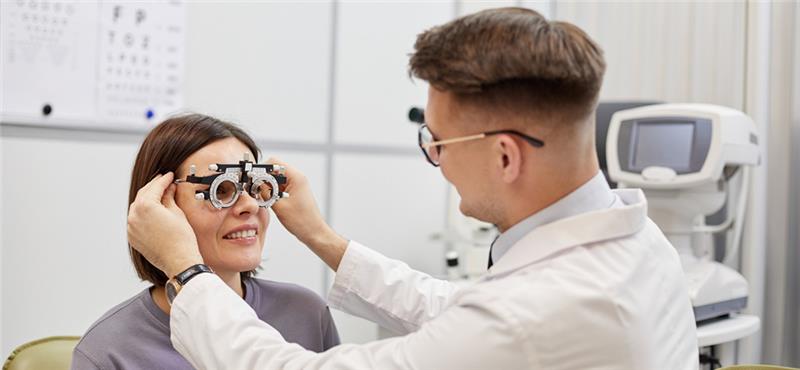
Table of Contents Help Others Discover – Click to Share! Facebook Twitter LinkedIn Table of Contents The need for efficient, specialised electronic health records (EHRs) in Ophthalmology has never been greater. As one of the busiest specialties in the NHS, Ophthalmology handles over 500,000 operations annually and 7.5 million outpatient appointments according to GIRFT, NHS. With 3.4 million vision outpatient attendances in 2019/20 alone and an ageing population – 51% of patients were over 65 according to RCOphth Vision Atlas, the pressure is mounting. So, how to choose an EHR for ophthalmology that keeps up with the speed and sophistication of contemporary care? Begin with a system that knows ophthalmic workflows, incorporates NHS data standards, and enhances patient and clinician outcomes. That’s where Cellma comes in. NHS Ophthalmology: Big Volume, Bigger Challenges From cataract surgery to diabetic eye disease, ophthalmology services are deeply rooted in the NHS. But the increasing patient load, ageing population (over 65 make up 51% of all vision outpatients), and a shortage of ophthalmologists, with over 632,000 people on waiting lists, have stretched departments to the limit according to Macular Society. NHS Integrations & Guidelines Followed by Cellma In learning how to choose an EHR for ophthalmology, NHS compatibility is not a choice. Cellma is fully compatible with NHS systems, pathways, and standards to enable compliant, coordinated care. NHS Integrations Spine & GP Connect: Immediate access to NHS numbers and secure data sharing e-RS: Real-time referral management PACS/RIS: Immediate access to ophthalmic imaging like OCT & MRI National Pathways: Support for DESP, glaucoma monitoring, and more Data Sets Supported CSDS, CDS, NOD, ECDS, and DID, reliable reporting and reimbursement as a matter of course Regulations & Compliance UK GDPR, DSPT, DCB 0129/0160, Cyber Essentials+ CQC Compliant: Conforms to standards of Health and Social Care Act 2008 for regulated ophthalmic services . FHIR & HL7 for interoperability WCAG 2.1 AA for accessible patient portals NHS Branding: Built to NHS visual identity specs CIS2 and PDS integrations Wondering how to select an EHR for ophthalmology? Begin with one that can deliver to NHS and CQC expectations, Cellma is designed to do so. Challenges Facing Ophthalmology Departments The challenge of selecting an EHR for ophthalmology begins by solving fundamental clinical issues: Chronic disease management such as glaucoma, diabetic retinopathy, and AMD Tracking treatments from cataracts to intravitreal injections Diagnostic report delays from imaging and lab Lost follow-ups and paper-based processes Cellma is designed to solve these with clear tools and end-to-end patient tracking. Cellma for Ophthalmology While researching how to choose an EHR for ophthalmology, Cellma stands out by anticipating and exceeding the evolving needs of modern eye care. It’s fully interoperable, NHS-approved, and clinically enhanced, from high-volume cataract clinics to intricate glaucoma scenarios. With smart workflows, imaging embedded, and precise data monitoring, Cellma simplifies ophthalmic care to make it safer, quicker, and better coordinated. Clinical-Grade Modules in Cellma for Ophthalmology Patient Admission and Scheduling (PAS) Effective clinic management is paramount in ophthalmology, particularly when it comes to managing high volumes of patients. Cellma’s PAS module facilitates automated appointment scheduling and follow-ups, which are critical in the management of long waiting lists in conditions like cataract surgery and glaucoma management. Clinical features are: Automated routine eye exam scheduling and intricate follow-ups like laser surgery or intraocular injections for AMD patients. Remind systems that patients at risk of missing appointments, like those with glaucoma, need frequent checks of IOP to avoid permanent damage to the optic nerve. Integrated management of referrals for patients requiring multidisciplinary treatment, e.g., referrals to neuro-ophthalmic services for conditions like optic neuritis or cranial nerve palsies. Electronic Patient Record (EPR) Cellma’s EPR module is ophthalmology-focused, allowing clinicians to see the overall status of the patient’s eye health. For example, the module includes templates for detailed evaluations of conditions like glaucoma, cataracts, age-related macular degeneration (AMD), diabetic retinopathy, and uveitis. Key features include: Organised fields for IOP (Intraocular Pressure) measurement, OCT (Optical Coherence Tomography) scans, and visual field tests to enable the treatment of glaucoma and optic neuropathies. Customisable assessment templates for common anterior segment disorders such as dry eye syndrome (keratoconjunctivitis sicca) and corneal ulcers, including image and severity score fields for tracking condition progression. Surgical planning for cataract procedures, with pre- and post-operative notes that capture outcomes and potential complications. Combination of clinical imaging to improve diagnosis of retinal conditions such as diabetic macular oedema (DME), retinal detachment, and diabetic retinopathy, where all patient information is at your fingertips in one record. Lab Integration Cellma’s Lab Integration allows important diagnostic findings to be easily integrated into the patient record. This is necessary with diseases requiring laboratory work, such as uveitis (where blood work might be required to detect systemic autoimmune conditions) or ocular cancers associated with malignancies like ocular lymphoma. Important features include: Direct integration with laboratory systems to pull serology reports, for example, autoimmune markers or HLA typing, for systemic eye diseases, such as sarcoidosis or Sjögren’s syndrome. Real-time updating for genetic testing results for retinitis pigmentosa and other inherited retinal diseases to direct genetic history logs and visual field data into treatment decisions. Full integration with microbiology systems for corneal ulcer cultures monitoring and antimicrobials sensitivity, to ease infectious keratitis management. Integration of Imaging Imaging in ophthalmology is essential in providing proper diagnosis and monitoring accurate, and the imaging integration of Cellma facilitates seamless connectivity to existing diagnostic systems. Be you treating macular degeneration, diabetic retinopathy, or glaucoma, Imaging Integration ensures all images and diagnostic information are incorporated in the patient record. This’s how it works: PACS and RIS integration for storage and retrieval of images from OCT, fundus photography, fluorescein angiography, to enable clinicians to track progression of disease and response to treatment. Annotation software allows accurate marking of findings, including retinal lesions, rashes, or corneal scars, to note changes in skin condition due to HIV-associated retinopathy or syphilis. Annotated images may be referenced in follow-up visits, enhancing diagnostic accuracy. Visual field overlays for optic neuropathies and glaucoma, with automatic alarm for abnormal visual
Discover What Cosmetic Dentistry Can Offer You

Table of Contents Help Others Discover – Click to Share! Facebook Twitter LinkedIn Table of Contents With today’s fast-paced lifestyle, confidence begins with a smile, and thanks to cosmetic dentistry, achieving that confident, glowing smile is now more within reach than ever. If you want to whiten your teeth, fill gaps, or replace missing ones, today’s dental treatments prioritise patient comfort. That’s why Cellmaflex is here, your online companion to oral care. With Cellmaflex, you can make online appointments at any time without having to make a phone call and access your medical history anywhere, making your cosmetic dentistry experience seamless and hassle-free. In this blog, we’ll explore some of the top cosmetic dentistry options and their safety considerations. The Global Rise of Cosmetic Dentistry According to the WHO, approximately 2.5 billion people worldwide suffer from untreated dental caries in their permanent teeth. Gum disease (Severe Periodontal Disease) affects around 1 billion people globally. Approximately 30% of people aged 65–74 have no natural teeth. With health becoming available online, services like Cellmaflex follow this trend by allowing patients to access treatment history, book appointments, and be reminded of post-operative care, all from home. Why a Healthy, Beautiful Smile Matters A healthy, radiant smile does more than just make one look good; it boosts self-confidence and self-assurance in everyday interactions. Cosmetic dentistry is concerned with aesthetics and oral health. Procedures such as teeth whitening, teeth straightening, and veneers restore minor structural concerns, enhance bite function, and treat discoloration, leading to improved hygiene and sustained dental health. With Cellmaflex, taking care of your dental needs is simple: schedule appointments, view medical histories, and monitor progress all from your device, and keep your smile healthy and bright. Let’s discuss your alternatives in cosmetic dentistry and how to make the best decision. Teeth Whitening Alternatives and Safety A white, shining smile is a sign of beauty, but there are several ways to get it. Knowing the options and their safety is important to keep your teeth and gums healthy. In-office Whitening: Professional whitening occurs in a dental clinic with higher concentrations of bleach than over-the-counter kits. The process entails the use of a whitening gel activated by a special light or a laser. It is very effective, producing instant, lasting effects. It should be noted, however, that not everyone can undergo in-office whitening, especially those who have sensitive teeth or some gum conditions. Safety Tip: Always have whitening treatments overseen by a dentist to prevent gum irritation or over-erosion of enamel. At-home Whitening Kits: These custom trays created by your dentist are typically the most effective at-home whitening solution. These trays are filled with a whitening gel and worn for a specific period, often over the course of several weeks. They provide good results and are safer than over-the-counter products. Safety Tip: Make sure the trays are well-fitted in order to prevent gum irritation and adhere to the recommended time to prevent enamel wear. Over-the-counter Products: They are convenient to use but less effective than professional treatment. Although some whitening strips and gels can whiten teeth, their action tends to be short-lived, and they can lead to tooth sensitivity.Safety Tip: Do not use excessively, as repeated usage causes erosion of the enamel and sensitivity. Braces and Aligners to Straighten Aligning your misalignment will enhance appearance and function and prevent future problems such as wear or gum disease. Below is the lowdown on your options: Traditional Metal Braces: Traditional braces use metal wires and brackets that apply a slow force to move teeth to their proper place over time. They work best for individuals with severe misalignment and are most often the treatment of choice for complex cases. Safety Tip: Get check-ups regularly so the braces are working effectively and not putting too much pressure or irritating the gums and teeth. Ceramic Braces: Ceramic braces are just like metal braces with the only difference being the tooth-coloured brackets that are less conspicuous. They are ideal for teens or adults who need the accuracy of regular braces but would prefer something less apparent. Safety Tip: Ceramic braces can become discoloured by contact with some foods and liquids, so avoidance and good oral hygiene are required. Clear Aligners: Clear aligners are a cosmetic and comfortable alternative to traditional metal braces. Constructed of smooth, transparent plastic, clear aligners move teeth into position over time. Clear aligners work best for minor to moderate misalignments and can be taken out to eat and clean their teeth. Safety Tip: Wearing clear aligners at least 22 hours per day achieves the best results. Not wearing them as instructed can extend the course of treatment. Veneers and Bonding for Aesthetics What Are Veneers? Veneers are very thin, individually crafted shells of composite resin or porcelain that are bonded to the front of teeth to improve their appearance. They are usually used on teeth that are discoloured, chipped, or slightly crooked. Process: A bit of enamel is shaved off the tooth to allow room for the veneer, and then the veneer is bonded to the tooth. Safety Tip: Although veneers are strong, they can chip or crack if not taken proper care. Do not bite down on hard things and get regular check-ups to keep an eye on the state of your veneers. What Is Dental Bonding? Dental bonding involves a tooth-coloured resin placed directly onto a tooth’s surface to repair small imperfections like chips, gaps, or discoloration. The resin is shaped to blend with the tooth’s natural form and then hardened using a special light. Safety Tip: Bonding material can become stained over time, so it’s best to avoid staining foods and beverages and practice perfect oral hygiene. Implants and Crowns for Restoration Dental Implants: Dental implants are a fixed way to replace missing teeth. An implant is surgically inserted into the jawbone, which then fuses with the bone. Once it has healed, a crown is added on top to reinstate the functionality and beauty of the tooth.
Oral Cancer Prevention Starts with You
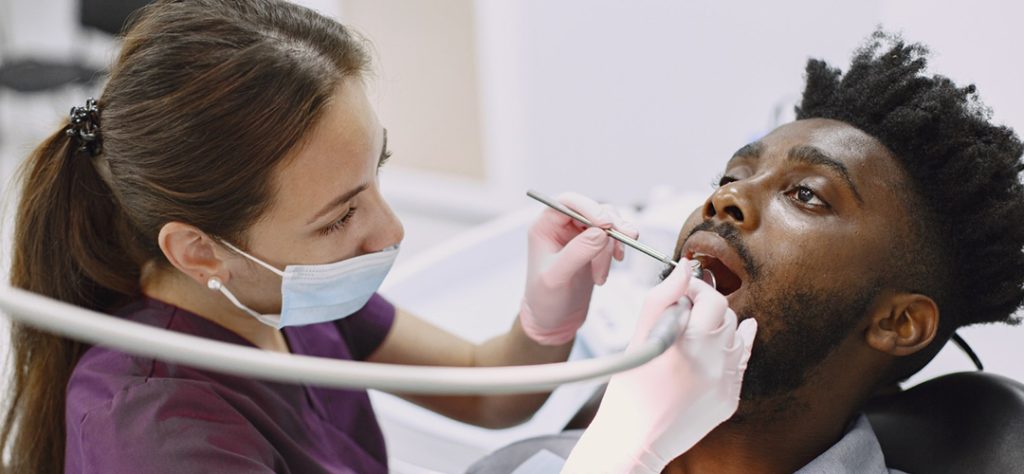
Table of Contents Help Others Discover – Click to Share! Facebook Twitter LinkedIn Table of Contents Have you ever checked your mouth for early signs like a sore or ulcer that could indicate something more serious? Most of us don’t, and that’s exactly why oral cancer often goes unnoticed until it’s too late. It may not always make headlines, but oral cancer is one of the most dangerous forms of cancer when caught late. So, what can you do? The answer begins with awareness and having the right tools at your fingertips. That’s where Cellmaflex steps in. Whether you’re making a booking for a screening without having to make a single phone call, checking your test results securely from anywhere, or following your entire medical history, it’s all achievable with Cellmaflex. Here in this blog, we will discuss all that you should know about oral cancer, including symptoms and causes, and oral cancer prevention. What is Oral Cancer and Why Does Awareness Matter? Oral cancer (mouth cancer) is the general term for cancer that affects the inside of your mouth. Oral cancer may appear as a common issue with your lips or in your mouth, such as white spots or sores that bleed. What distinguishes a common issue from possible cancer is that they do not go away. Without treatment, oral cancer can extend throughout your mouth and throat to other parts of your head and neck. It’s usually dwarfed by other cancers during awareness campaigns, but it’s among the most malignant when found late. Awareness is important since early detection equals saved lives. And with digital platforms such as Cellmaflex, more individuals are able to access regular screenings, monitor symptoms, and connect with experts without obstacles. Global Statistics: A Wake-Up Call Oral cancer continues to be a major global health issue, with more than 377,713 new cases annually reported worldwide, according to the World Cancer Research Fund. Despite the progress in the health sector, the disease continues to claim a massive number of lives, resulting in an estimated 177,757 deaths in the year 2020. Trinidad and Tobago’s age-standardised rate of incidence of lip and oral cavity cancer was about 1.7 per 100,000 population as of 2020, as reported by the WHO. These striking statistics emphasise the importance of greater awareness, early diagnosis, oral cancer prevention and improved access to health care, particularly in areas where regular screenings and treatment are lacking. What Causes Oral Cancer? Oral cancer starts in the squamous cells in your oral cavity. Squamous cells are flat and, when viewed under a microscope, look like a fish scale. Normal squamous cells become cancerous when their DNA changes in ways that lead to uncontrolled growth and multiplication. Over time, these cancerous cells can spread to other areas inside of your mouth and then to other areas of your head and neck or other areas of your body. Several risk factors contribute to the development of oral cancer: Tobacco use (both smoking and smokeless) Excessive alcohol consumption HPV infection, especially from certain sexual behaviours Poor diet lacking fruits and vegetables Chronic poor oral hygiene Genetic predisposition By understanding these risks, you can make proactive lifestyle changes and schedule regular screenings using Cellmaflex to stay one step ahead. Early Symptoms You Shouldn’t Ignore Oral cancer has several signs and symptoms that may be mistaken for common problems or changes in the mouth. For example, you may notice patches inside your mouth that you cannot scrape away. These patches may be precancerous conditions. Persistent sores in the mouth that do not heal Red or white patches inside the mouth Lumps or thickened areas in the cheek or gums Difficulty chewing or swallowing Numbness or pain in the mouth or jaw The patches in the mouth and throat can appear in different colours: Leukoplakia: These are flat white or grey patches in the mouth or throat. Erythroplakia: These are slightly raised or flat red patches. These patches might bleed when scraped. Erythroleukoplakia: These patches are red and white. Emotional & Social Toll of Oral Cancer Oral cancer isn’t just physical; it deeply affects emotional and social wellbeing: Many patients face depression and anxiety, especially after surgery or during treatment. Side effects like facial disfigurement, speech difficulties, and eating problems can lead to social isolation. A strong support network and access to social and emotional care are essential. Thanks to Cellmaflex, patients can access care teams, track appointments, and receive reminders for counselling from one platform. Diagnosis and Tests Your dentist may spot potential oral cancer during one of your regular check-ups. They may follow up with preliminary tests or refer you to an oral and maxillofacial surgeon, or head and neck surgeon. These specialists are also called ear, nose, and throat (ENT) specialists. Oral cancer tests include: Physical examination: Your healthcare provider will look at the entire inside of your mouth and may feel around your mouth. They will also examine your head, face, and neck for potential signs of pre-cancer or cancer. Brush biopsy, or scrape biopsy or exfoliative cytology: Providers use a small spatula or brush to lightly scrape the suspected area to collect cells to be tested for cancer. Incisional biopsy: Your provider will take small tissue samples to obtain cells to be tested for cancer. Indirect laryngoscopy and pharyngoscopy: Your doctor uses a long, thin handle with a small mirror on the end to examine your throat, the bottom of your tongue and the top portion of your larynx (voice box). Direct (flexible) pharyngoscopy and laryngoscopy: They can use an endoscope to examine parts of your throat and mouth that cannot be viewed with mirrors. An endoscope is a thin, flexible tube with a light and viewing lens attached. Management and Treatment: What Are Your Options? Treatment for oral cancer usually includes surgery, radiation therapy, and chemotherapy, individually or together. Your health care professional will work out a plan based on such aspects as the stage and type of cancer, age, and general well-being. Surgical methods
Diabetes Management: Smarter Care with Cellma

Table of Contents Help Others Discover – Click to Share! Facebook Twitter LinkedIn Table of Contents Diabetes is among the fastest-growing medical conditions globally, and it affects millions, imposing heavy burdens on the healthcare system. Treatment and management of diabetes require ongoing tracking, evidence-based practice, and smooth coordination of primary care physicians, specialists, and laboratory tests. That is where an effective EHR software such as Cellma, can be applied in treatment and management of diabetes. By bringing patient information to the centre, clinical processes are streamlined, and decision-supporting systems are incorporated, Cellma enables clinicians to provide more efficient and individualised diabetes care. Cellma’s Compliance with UK Diabetes Care Guidelines To deliver good-quality diabetes care in the UK, it is necessary to comply with NHS Digital, NICE guidelines, and the data protection act. Cellma complies with: UK GDPR & NHS DSPT for secure handling of patient data. FHIR APIs & SNOMED CT for interoperability of structured data. NHS Spine & GP Connect for smooth sharing of patient data. NICE Diabetes Pathways & DAPB4085 for standardised diabetes records. Electronic Referral Services (ERS) and EPS for safe electronic prescription services. CIS2 and PDS integrations. Through these integrations, Cellma promotes clinical accuracy, interoperability, and regulatory compliance and thus proves to be an EHR software of choice for managing diabetes. Read on to find out how Cellma is revolutionising diabetes care! Diabetes in the UK: Facts and Figures According to Diabetes UK – 5.8 million people are living with diabetes in the UK, an all-time high. Close to 4.6 million individuals have been diagnosed with type 2 diabetes, with 1.3 million going undiagnosed. Type 1 diabetes accounts for 8% of cases, and type 2 diabetes accounts for 90%. Around 6.3 million individuals are at increased risk of developing type 2 diabetes. Social determinants of income, education level, and access to health care are strong predictors of diabetes risk. These statistics point out the need for an effective, data-driven EHR system that facilitates timely diagnosis, ongoing monitoring, and active diabetes management. Challenges Faced by Diabetes Departments Delays in diagnosis due to insufficient sharing of real-time patient information. Incoherent patient records leading to inconsistent treatment. Multi-faceted drug coordination delays, especially insulin and long-term drugs. Difficulty in coordination among endocrinologists, laboratories, and primary care. Labor-intensive, paper-based administrative activities outside of patient care hours. Cellma: A Comprehensive EHR Software for Diabetes Care Cellma is an all-encompassing EHR solution with the sole purpose of delivering solutions for the unique needs of diabetes care. Through patient record integration, simplification of clinical workflow, and enhanced decision-support functionality, Cellma allows physicians and other healthcare providers to provide faster, more accurate, and patient-focused diabetes care. Cellma Modules Facilitating Diabetes Management Patient Admission and Scheduling (PAS) Effective management of patients is one aspect of diabetes treatment, where timely intervention can avert complications. Cellma’s PAS module ensures patient registration, appointment management, and referral are made efficient, with appropriate coordination between endocrinologists, diabetologists, and primary care doctors. With lower waiting times and automated routine tasks, PAS enables physicians to spend more time with patients than on paperwork. Electronic Patient Record (EPR) The entire history of a patient is important in managing diabetes effectively. Cellma’s Electronic Patient Record (EPR) merges all the patient data, including history of diabetes, medication history, eye tests, feet check tests, laboratory investigations, and treatment plans, into a single electronic record. Healthcare providers, with direct access to such information, can make timely evidence-based decisions, delivering tailor-made care to every patient according to their own requirements. E-Pharmacy Diabetes drugs, including insulin prescriptions, blood glucose meters, and other drugs of importance, need to be managed with accuracy and efficiency. Cellma’s E-Pharmacy module streamlines prescription processing, drug monitoring, and compliance checking. Fully integrated into NHS Spine, it prints ideal and secure e-prescriptions, reducing opportunities for mismanagement and improving diabetic patients’ drug compliance. Lab Integration There must be ongoing screening and monitoring in the instance of diabetes management. Cellma’s Lab integration is real-time integrated with pathology laboratories, providing instant access to HbA1c, glucose tolerance tests, lipid levels, and kidney function tests. Integration is smooth, facilitating easy retrieval of results earlier, automatic notifications on abnormal results, and instant action, overall improving the quality of diabetes care. Document Management Care for diabetes entails high volumes of documentation, from patient records and treatment plans to compliance reports and educational material. Cellma Document Management module is secure, centralised filing module in which users can store and retrieve these critical documents. Computerised records and reduced paperwork make it possible for healthcare professionals to access patient files within a very short time period with enhanced organisational and compliance capabilities. Business Intelligence (BI) and Reporting Identification of patient trends and treatment efficacy is crucial to optimising diabetes care. Cellma’s BI Reporting module manages tremendous volumes of diabetes data, providing patient outcome, resource utilisation, and population health trend data. Data-driven decision-making enables healthcare providers to pinpoint high-risk patients, refine treatment protocols, and improve overall quality of care. Communication Module General practitioners, diabetes specialists, nutritionists, and lab staff must be coordinated to ensure effective management of diabetes. Cellma’s communication module enables safe messaging to provide real-time consultation, care coordination, and patient updates. The multidisciplinary model ensures all healthcare professionals who are treating a patient are aligned, thereby enhancing the outcome as well as the experience of care. Patient Portal Cellma’s patient portal provides secure, web-based access to medical history, lab reports, medications, and appointments. Patients can track blood sugar levels, receive reminders to take medication and return for follow-up visits, and view diabetes self-care educational content. With patient activation and self-management, the portal informs and empowers the patient in the care process, leading to a better health outcome. Referral Portal Diabetes care typically entails specialist consultations, and Cellma’s Referral Portal makes it convenient. It allows for quick and easy referrals to endocrinologists, ophthalmologists who would do the eye tests, podiatrists for feet tests, nephrologists who might investigate for diabetic nephropathy and other specialists for early treatment of diabetes complications. Compliant with NHS Spine and GP Connect,
Advanced Dental Care for All Ages

Table of Contents Help Others Discover – Click to Share! Facebook Twitter LinkedIn Table of Contents Taking care of your teeth and gums is essential at every stage of life. From childhood to old age, oral health is a reflection of overall well-being. The estimated global average prevalence of complete tooth loss is almost 7% among people aged 20 years or older. For people aged 60 years or older, a much higher global prevalence of 23% has been estimated. Oral diseases are of great concern in Trinidad and Tobago. Caries left untreated affected 32.3% of children (1-9 years) and 28.2% of individuals aged 5+ in 2019. Severe periodontal disease was observed in 27.1% of persons 15+, whereas 8.1% of persons 20+ suffered from edentulism. (the condition of having no natural teeth, either partially or completely) These statistics, according to the World Health Organisation (WHO), reflect the need for extensive dental care at all ages of life. With Cellmaflex, managing your dental health is easier. Book your appointments online without the hassle of phone calls, access your medical history at your convenience, and stay on top of your dental care, all with just a few clicks. In this blog, we’ll dive into the importance of advanced dental care at different life stages and explore how consistent care can lead to a lifetime of healthy, happy smiles. Advanced Dental Care Through All Stages of Life Oral health isn’t just about having a bright smile; it’s about keeping the function and comfort of your gums and teeth healthy for the remainder of your lifetime. Advanced dental care is vital at all stages of life. Children need early oral care to have strong, healthy teeth. Teenagers and adults have to cope with changing oral needs like tooth decay, wisdom tooth issues, braces or gum problems. Elderly people need special attention to losing teeth, dentures, and dryness of mouth. Cellmaflex simplifies such changes by allowing you to plan regular check-ups and follow your oral health journey. How Oral Health Needs Change Over Time As you get older, your oral requirements change. From teething to wisdom teeth, from braces, implants to dentures, every phase of life has specific needs and requirements. Advanced dental care serves to meet these requirements and prevent issues. By being proactive and educated, you can keep your oral health intact at any age. Childhood: Establishing a Strong Foundation Childhood is the age of establishing good habits of oral hygiene that will extend throughout a person’s lifetime. It is best to lay down a strong base for more complicated dental treatment during early age. The following are some of the most important aspects for this period: Teething: This is the age at which the first teeth of the baby begin emerging. Teething is painful, but alleviating remedies like teething rings or rubbing of gums can render it tolerable. Cavities: Cavity at this age is most likely caused by sweet foods and drinks. Frequent visits to the dentist to avoid and fix cavities are a must. Early Gum Care: Begin cleaning baby’s gums with a soft cloth before first teeth. Change to a baby toothbrush once their teeth come in. Teens: Growing Smiles, Growing Responsibilities During adolescence, children are growing rapidly, and so are their dental care needs. At this stage, advanced dental care becomes even more important because their teeth and gums are still in the development stage. Here’s what to watch out for: Braces: Teenagers may need braces to align their teeth. Good oral hygiene should be maintained to prevent plaque buildup and gum disease around the brackets and wire. Wisdom Teeth: Some teenagers experience the eruption of wisdom teeth, which may have to be removed if they are painful or pushing against other teeth. Hygiene Habits: Get your teenager to brush and floss regularly and have a balanced diet. Teenagers can have bad breath (halitosis) this is most common as this is transition period for them. Their routines today will determine their teeth later in life as adults. Adults: Keeping Your Teeth Healthy for a Lifetime Now, as an adult, it is vital to keep the gums and teeth healthy in the long term. State-of-the-art dental care revolves around prevention and treating age-related illnesses. Focus on the following: Gum Disease: Learn about gum disease warning signs such as puffy gums or gums that bleed. Get it treated in time before things become severe like losing teeth. Sensitivity: Tooth sensitivity tends to increase with age. It may be a result of enamel loss or gum recession, and it is very important to keep it in shape with the right dental products and treatment. Enamel Erosion: Avoid overconsumption of acidic food and beverages. It will cause erosion of enamel and lead to tooth decay. Elderly: Oral Care in Older Age In subsequent years following adulthood, oral care becomes more difficult, but it is still important for overall health. With advanced dental care, senior people can retain teeth and gums without risking more serious issues. Some of the most significant areas to focus on are listed below: Tooth Loss: Tooth loss is seen in a majority of individuals at old age. It can be due to decay, gum disease, or injury. Function and appearance can be regained with dental implants, bridges, and dentures. Dentures: If dentures are required, ensure they are comfortable and fit. They need good cleaning and maintenance so that they will last. Dry Mouth: Reduced saliva flow comes naturally with increasing age or on medication. Good fluid intake and saliva substitutes can minimise discomfort. Prevention: The Key to Lifelong Dental Health Prevention is a major aspect of having healthy teeth and gums for the long term. Preventive dentistry is taking control of your oral health protection. The following is how to prevent tooth and gum issues: Regular Check-ups: Visiting the dentist regularly allows an individual to spot issues early on and is the key to a long-term healthy oral condition. Book appointments using Cellmaflex to schedule your dental visits conveniently and
Nephrology EMR Software – Cellma: Enhancing Kidney Care
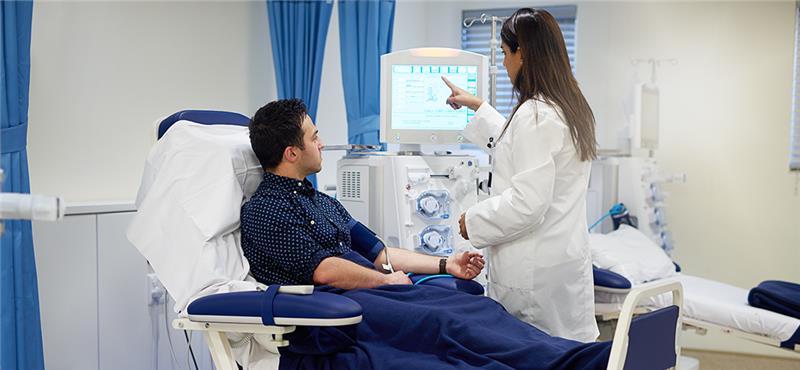
Table of Contents Help Others Discover – Click to Share! Facebook Twitter LinkedIn Table of Contents Chronic kidney disease (CKD) is a growing public health concern in the UK, with more than 3 million people having CKD stage 3-5, and many requiring life-affecting therapy, including dialysis and renal transplant, according to the National Institute for Health and Care Research. Caring for patients with nephrology needs organised coordination among pharmacy, lab, and medical personnel to support on-time treatment and diagnosis. Nephrology EMR software – Cellma offers an integrated electronic solution for healthcare providers to provide compliant and quality nephrology care, maintain precise patient data, and automate tasks. NHS Standards and Compliance Supported by Cellma Cellma complies with key NHS and UK regulatory bodies to provide accuracy, security, and standardisation of the data for nephrology treatment: UK Renal Registry (UKRR): Cellma adheres to UKRR standards to provide secure patient identification for dialysis and transplantation treatments. UK eCKD Guide: Helps clinicians diagnose and manage CKD based on NICE and UK Kidney Association (UKKA) guidelines. Nephrology Statistics within the UK According to the National Institute for Health and Care Research and NHS Digital, 7.2 million UK adults (more than 10% of the population) have CKD. 3 million people have moderate to severe CKD (stages 3-5). 70,000+ adults in the UK required dialysis or kidney transplants in 2022. More than 30,000 patients currently receive dialysis. This increasing health burden on healthcare systems makes evident the immediate requirement for Nephrology EMR software – Cellma to facilitate effective patient management, easy access to data, and enhanced clinical workflows. Challenges within Nephrology Departments Management of growing patient volumes: As the number of CKD cases grows, medical professionals struggle to keep up with demand. Management of multi-disciplinary teams: Nephrologists, dialysis departments, labs, and pharmacies require smooth communication. Timely and accurate diagnosis: Early intervention relies on prompt retrieval of laboratory reports. Security and compliance: Patient information should be stored securely and readily retrievable for reporting purposes. Nephrology EMR Software – Cellma: A Centralised Solution Cellma is an innovative nephrology EMR software that can auto-manage patients, enhance clinical productivity, and enhance nephrology care. It consolidates all healthcare modules into a single umbrella platform that facilitates simple digital communication among nephrologists, dialysis units, and laboratory technologists. Modules that contribute towards effective nephrology care: Patient Admission and Scheduling (PAS) Module Scheduling appointments, dialysis therapy, and patient admissions are major issues for nephrology departments. Cellma’s Patient Admission and Scheduling (PAS) module streamlines such processes by automating the scheduling of appointments, reducing wait times, and improving patient flow. Electronic Patient Records (EPR) Module Cellma’s Electronic Patient Record (EPR) module provides nephrologists centralised, real-time visibility into patient data such as complete medical history, lab test results, dialysis treatment, and medication. It eliminates the reliance on paper records and makes critical patient information easily accessible and up-to-date. Clinical notes and test result tracking, incorporated into it, allow nephrologists to monitor disease progress in a cost-effective manner and modify treatment accordingly in time. Smooth Lab and Imaging Integrations Laboratory and imaging findings are the cornerstone of diagnosis and management of CKD. Cellma interfaces with laboratory and imaging modules directly, thus providing nephrologists with easy access to CT scans, renal function tests including eGFR reports, ultrasound, and renal function tests. Inbuilt notifications are sent automatically when there is a deviation in normal results to help clinicians perform early interventions as well as more efficiently manage the patients. Reduced diagnosis time minimises delays while informing timely decisions. E-Pharmacy Module Medication management is critical for patients with CKD, especially those on dialysis or post-transplant. Cellma’s E-Pharmacy module helps nephrologists monitor prescriptions, identify drug interactions, and alert for potential drug issues. With interoperability with e-prescribing systems, Cellma reduces medication ordering errors and maintains the best medication adherence to prescribed therapy, thus maximising treatment outcomes. Document Management Module Nephrology wards generate a huge amount of documentation, ranging from dialysis reports to consent forms and treatment histories. Cellma’s Document management module renders such documents automatically, and physicians can locate essential documents in mere seconds. Business Intelligence and Reporting Module Insights from data are essential in improving nephrology care. Cellma’s Business Intelligence module provides real-time reporting and predictive analytics, which allow nephrologists to track treatment outcomes, patient trends, and the success rates of dialysis. Analytics based on AI enable healthcare providers to identify risks ahead of time, maximise resources, and enhance long-term patient well-being. Patient Portal for Increased Patient Engagement Cellma’s patient portal enables patients to view their test results, treatment plans, and medication reminders. Patients are able to monitor the development of CKD, educational material, and safely communicate with their nephrologists. Self-management results in enhanced compliance with treatment regimens and better patient satisfaction. Referral Portal for Better Specialist Coordination Referrals are streamlined by Cellma’s Referral Portal with real-time monitoring of cases for patients. With reduced latency in referrals, Cellma facilitates on-time interventions by specialists, reduces waiting time, and optimises coordination among different healthcare providers, ultimately resulting in improved patient outcomes. Cellma’s AI Integrations Cellma, the best nephrology EMR software embeds AI as a means to enhance nephrology management and increase the quality of care. There are some great features, such as NLP features and AI-based alertness for drug interactions, which give Cellma a great edge. Natural Language Processing: NLP supports healthcare professionals in processing unstructured text data, such as patient records and clinical notes. It identifies the most important information immediately for faster diagnosis and decision-making. In addition, NLP helps to identify trends and key insights that help spot early warning signs and improve the efficiency of managing more complicated cases. AI-Based Drug Interaction Prompts: Cellma, the best nephrology EMR software provides an AI-based interaction alert with cross-matched patient records within an up-to-date database and automatically flags all potential medication conflicts. As such, it reduces the probability of having adverse drug events and improves outcomes in patient safety through better-tailored treatment. These AI features will make healthcare delivery more efficient and accurate while providing better nephrology care and enhancing the safety of the