Help Others Discover – Click to Share!
Dengue fever is a recurring global public health challenge, which intensifies during seasonal rains, changing temperatures, and the density of urban populations. Various region’s climatic conditions create an ideal ecosystem for mosquito proliferation, making outbreaks not just occasional, but cyclical and increasingly frequent. What makes this concern more pressing is the clinical unpredictability of dengue, where mild symptoms can rapidly progress into severe, life-threatening complications if not recognised early.
The ability to access care quickly has become critical in this changing healthcare environment. This is where Cellmaflex plays a practical role in making available local doctors, pharmacies, labs, and imaging centres, providing an ability to schedule an appointment without any phone calls and allowing individuals to access their medical records regardless of where they are located. In regions where dengue outbreaks can strain healthcare systems, such accessibility supports faster clinical response and continuity of care.
This blog explores the clinical depth of dengue fever, including its virology, symptom progression, risk factors specific to the Caribbean, prevention strategies, and the importance of early medical intervention, while highlighting how Cellmaflex contributes to more responsive healthcare access.
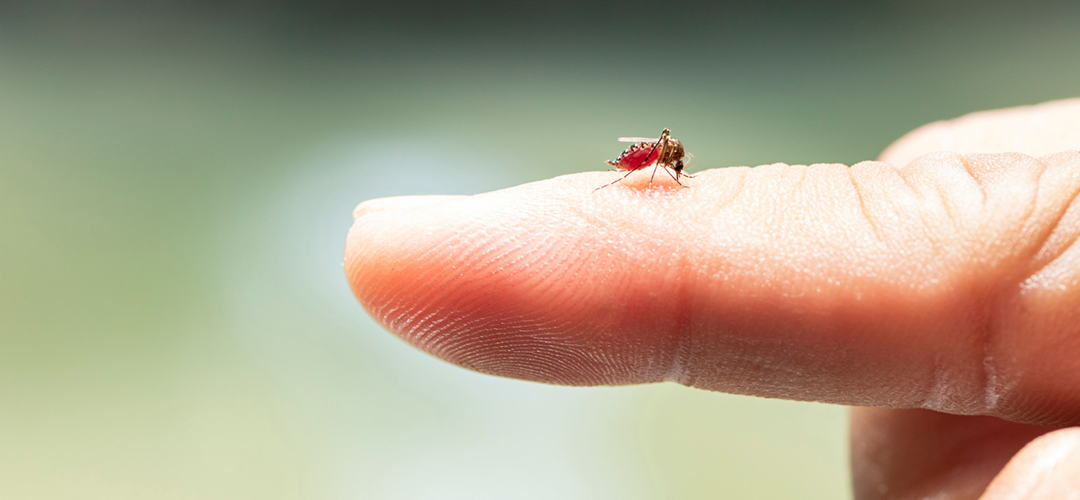
Dengue is an acute disease caused by the dengue virus (DENV). There are four different types of dengue virus: DENV 1, 2, 3, and 4 which all belong to the family Flaviviridae. Dengue is transmitted to humans mainly by the bite of infected Aedes aegypti mosquitoes; however, Aedes albopictus also act as a vector. Dengue cannot be transmitted from person to person without the help of these vectors (mosquitoes).
Those who are infected with one type of the virus will be immune to that particular serotype for life and will have partial and temporary immunity to the remaining three serotypes (DENV-1, 2, 3, 4). If you are subsequently infected with another serotype, the likelihood of developing a severe form of dengue will increase due to immunological complications associated with ADE (Antibody-dependent enhancement).
According to the WHO, dengue continues to present a substantial global burden, with 390,000,000 annual infections, 96,000,000 symptomatic cases each year, and 3,900,000,000 people at risk worldwide. Regionally, data from the PAHO highlights the scale of transmission across the Americas, reporting 2,800,000 cases in 2023, including 1,500,000 cases in Brazil and 24,000 severe cases. These figures underscore the magnitude at which dengue fever affects tropical regions, with the Caribbean forming a critical and highly vulnerable part of this epidemiological landscape.
The clinical presentation of dengue fever typically begins after an incubation period of 4–10 days following a mosquito bite. The febrile phase is characterised by a sudden onset of symptoms, which may include:
During this phase, laboratory findings may reveal leukopenia and thrombocytopenia, which are important diagnostic indicators. Early symptom recognition is essential, and platforms like Cellmaflex allow patients to quickly identify nearby healthcare providers or diagnostic labs for timely evaluation.
As the disease progresses into the critical phase, typically around days 3 to 7 – plasma leakage and haemorrhagic manifestations may occur. Warning signs of severe dengue fever include:,
Clinically, this phase may be associated with rising haematocrit levels, rapid platelet decline, and evidence of capillary permeability. Immediate medical attention is critical at this stage. With Cellmaflex, patients or caregivers can locate hospitals, specialists, and emergency care services without delay, which can be lifesaving.
A number of ecological and socio-environmental factors work in tandem to create ideal conditions for transmission of the dengue virus in the Caribbean. The primary factors that contribute significantly to this problem include:
These conditions make dengue fever not just a seasonal issue, but a persistent regional concern. Access to local healthcare resources, through tools like Cellmaflex, becomes crucial in managing both routine cases and outbreak surges.
Preventing dengue involves using vector control methods and personal protective measures:
The use of community-level interventions in combination with individual protections is very important. Cellmaflex gives consumers access to pharmacies, so they are able to get repellents as well as any needed medications for supporting their condition.
Currently, there are no specific antiviral treatments available for dengue fever. Therefore, the focus of dengue prevention efforts is on identifying new cases and ensuring they are monitored to prevent complications such as the development of dengue haemorrhagic fever (DHF) or dengue shock syndrome (DSS).
Given how quickly symptoms can worsen, especially in children, the elderly, and immunocompromised individuals, early consultation is non-negotiable. Cellmaflex supports this by enabling immediate appointment booking and access to diagnostic services without administrative delays.
In the context of infectious disease management, accessibility and continuity of care are vital. Cellmaflex contributes by:
– Helping users find the closest doctor, pharmacy, lab and imaging facility.
– Enabling online scheduling of appointments without having to make phone calls.
– Providing users with access to their medical records anytime and anywhere.
– Facilitating coordinated care between healthcare providers and patients.
Dengue fever remains a significant and evolving health concern in the Caribbean, shaped by environmental, clinical, and systemic factors. Its ability to progress rapidly from mild symptoms to severe complications makes awareness and early action essential. Prevention strategies must be consistently applied, and healthcare access must be immediate and reliable.
Recognising symptoms early, reducing exposure risks, and seeking prompt medical attention are the most effective ways to manage this disease. With platforms like Cellmaflex facilitating faster access to healthcare services and medical information, individuals are better equipped to respond to dengue—turning awareness into timely action.
Cellmaflex allows you to quickly find nearby doctors, clinics, labs, and imaging centres, making it easier to seek timely medical attention when dengue fever symptoms appear. You can book appointments online without phone calls and ensure early clinical evaluation, which is critical in preventing complications.
Yes, Cellmaflex enables you to access your medical records anytime and anywhere. This is particularly useful for dengue fever cases, where regular monitoring of platelet counts and other lab results is essential for tracking disease progression and guiding treatment.
During dengue fever outbreaks, healthcare systems can become overwhelmed. Cellmaflex helps maintain continuity of care by allowing patients to easily connect with healthcare providers, book follow-up appointments, and locate pharmacies for supportive medications, ensuring consistent and timely care throughout recovery.