


Driving A&E Efficiency with Cellma: A Connected Approach to Emergency Care

Table of Contents Help Others Discover – Click to Share! Facebook Twitter LinkedIn Table of Contents THE SCALE OF THE PRESSURE: July 2026 recorded around 2.5 million A&E attendances – the highest monthly level on record – while only 75.4% of patients were admitted, transferred or discharged within four hours. 2.5 million A&E attendances. 75.4% within 4 hours. 47,000 patients waiting over 12 hours for emergency admission. 1.58 million 4+ hour waits over 12 months. 829,675 ambulance incidents. 898,503 999 calls. 3,000+ patients a day receiving corridor care. The numbers, at a glance: Metric Figure A&E attendances (July 2026) 2.5m Patients seen within 4 hours 75.4% Patients waiting 12+ hrs for admission 47,000 4+ hour waits over 12 months 1.58m Ambulance incidents handled 829,675 999 calls received 898,503 Patients/day receiving corridor care 3,000+ These numbers capture the pressure facing NHS A&E departments. July 2026 recorded around 2.5 million A&E attendances, the highest monthly level on record, while only 75.4% of patients were admitted, transferred or discharged within four hours. Ambulance services handled 829,675 incidents during the month, while 999 calls reached 898,503. For patients, this pressure can mean longer waits, repeated questions, delayed test results, difficulty finding beds and fragmented handovers. For frontline teams, it can mean more time spent chasing information, updating systems and managing patient flow rather than treating patients. This is where a connected EPR, patient portal and NHS App integration become increasingly important to A&E efficiency. A&E Is Under Pressure. The Digital Response Has to Keep Up. The NHS 10 Year Health Plan sets out a clear direction: hospital to community, analogue to digital, and sickness to prevention. It also places the NHS App at the centre of the future digital front door, with a single patient record intended to give patients secure access to their health information from 2028. Cellma aligns with this direction by connecting clinical information, patient administration, diagnostics, communication, patient engagement and operational data within one digital ecosystem. Its acute care capabilities are designed around real-world hospital workflows, including patient flow, triage, investigations, admissions, transfers, discharge and escalation. For an A&E department, that matters because A&E efficiency is not simply about getting patients through the department faster. It is about making sure the right information reaches the right clinician at the right time. Why A&E Needs More Than an EPR An EPR that simply replaces paper notes is not enough for today’s emergency department. A&E teams work across multiple systems and services: GP records Ambulance services NHS 111 Diagnostics Pathology Radiology/PACS Pharmacy SDEC Inpatient wards Mental health services Community care Virtual wards Social care Patients and carers When these systems do not communicate, staff can end up switching screens, searching for results, repeating questions or manually entering information. That creates friction at exactly the point where time matters most. The NHS itself recognises the need for better digital support for triage, patient flow and discharge coordination, alongside expanded SDEC and co-located Urgent Treatment Centres. Cellma approaches this as a connected pathway rather than a collection of separate systems. One Patient. One Record. One Connected A&E Journey. Cellma brings together the core information required throughout the emergency care pathway. Digital Triage and Clinical Assessment At the front door, clinicians need a quick picture of who the patient is, why they are here and what needs attention first. Cellma can bring together: ✓ Registration and demographics ✓ Triage documentation ✓ Vital signs ✓ Clinical notes ✓ Previous history ✓ Allergies ✓ Medication information ✓ Risk scores ✓ Investigations ✓ Clinical alerts This gives clinicians a structured starting point rather than making them piece together information from different sources. Cellma also supports clinical decision-support tools and pathways, including NEWS2/SIRS for sepsis, FAST for stroke, HEART for chest pain and NICE head-injury guidance. The result is a more informed clinical assessment and stronger A&E efficiency without taking clinical judgement out of the hands of clinicians. Real-Time Patient Flow – Know Where the Pressure Is A&E pressure does not stop at triage. A patient may move from: Arrival → Triage → Assessment → SDEC → Diagnostics → Treatment → Admission → Ward → Discharge At every stage, teams need to know: Where is the patient? How long have they been waiting? Has a test been requested? Are results available? Is a bed required? Has a decision to admit been made? Is the patient suitable for SDEC? Is discharge possible? Where is the bottleneck? Cellma’s PAS and patient-flow capabilities provide real-time visibility of admissions, transfers, discharges, bed locations, waiting times and four-hour performance. That means operational teams can see where patients are getting stuck instead of discovering the problem after the waiting-time breach has already happened. Diagnostics Without the “Where’s the Result?” Chase In a busy A&E, waiting for information can become a clinical bottleneck. A patient may have: Bloods taken → CT requested → X-ray completed → ECG recorded → Results reviewed → Clinical decision made Cellma connects clinical records with laboratory and imaging systems, providing access to diagnostic information as part of the patient record. This reduces the need to chase results across systems and helps clinicians make decisions using the latest available information. For patients, that can mean fewer unnecessary delays. For staff, it means less time spent hunting for data. For the department, it supports better A&E efficiency. Interoperability: The Bit That Makes the Difference The NHS is not one system. It is an ecosystem of trusts, GPs, community services, diagnostics, pharmacies, ambulance services and national platforms. That makes interoperability critical. Cellma supports interoperability through technologies and standards including: HL7 FHIR Open APIs RESTful APIs DICOM SNOMED CT ICD-10 / ICD-11 dm+d GP Connect PDS SCR CIS2 EPS NHS e-RS Shared Care Records Laboratory and imaging integrations These capabilities support the movement of structured information between primary, secondary and community care. So when an A&E clinician needs information from another part of the NHS, the objective is not another disconnected data island. It is a connected patient journey. Bringing
Asthma Causes and Triggers: A Complete Guide to Better Breathing

Table of Contents Help Others Discover – Click to Share! Facebook Twitter LinkedIn Table of Contents Ever wondered why a dusty room can leave one person perfectly fine while another starts coughing and wheezing? Or why exercise, cold air or even a strong perfume can suddenly make breathing harder? The answer may lie in understanding asthma causes and triggers. Asthma is more than occasional breathlessness and knowing what affects your airways can make it easier to recognise symptoms, seek the right care and manage the condition. So, what exactly happens inside your lungs when asthma strikes? And can you prevent those sudden flare-ups? Let’s find out. Managing respiratory health also starts with being able to access care when you need it. With Cellmaflex, you can find doctors, pharmacies, laboratories and imaging services nearby, book an appointment online without making phone calls, and access your medical records whenever and wherever you need them. ✓ Find doctors, pharmacies, laboratories and imaging services nearby ✓ Book an appointment online without making phone calls ✓ Access your medical records whenever and wherever you need them That means less time searching for care and more time staying on top of your health. In this blog, we’ll explore asthma causes and triggers, common symptoms, who may be at greater risk, what happens during an asthma attack, how asthma is diagnosed and treated, and practical ways to manage it every day. We’ll also tackle some common asthma misconceptions and look at when breathing difficulties require urgent medical attention. What is Asthma? First question: What actually happens when someone has asthma? Asthma is a chronic condition that affects the airways, the tubes that carry air into and out of the lungs. When asthma symptoms occur, the airways can become inflamed and narrowed, while the muscles around them tighten. Some people may also produce more mucus. Together, these changes can make it harder for air to move freely. The result? Wheezing Coughing Shortness of breath Chest tightness These symptoms can come and go. Some people experience them occasionally, while others may have persistent or more severe symptoms. And asthma isn’t limited to one age group. Children, teenagers and adults can all develop asthma. It cannot currently be cured, but appropriate treatment and ongoing management can help control symptoms and allow many people to lead active, everyday lives. Asthma affects 363 million people globally, with around 442,000 deaths recorded in 2023, according to the WHO. In the Caribbean, approximately 496,235 people were living with asthma in 2021, with around 3,360 asthma-related deaths and 2.03 million DALYs reported. Country-level estimates also show asthma prevalence of 9.2% in Barbados, 9.1% in Jamaica and 8.7% in Guyana, highlighting the continuing respiratory health burden across the region. FACT CHECK Q: Is asthma simply “having weak lungs”? A: Not quite. Asthma involves inflammation and variable narrowing of the airways. Its symptoms can fluctuate considerably over time, which is one reason identifying individual patterns and triggers matters. What Causes Asthma? Is there one single cause of asthma? No. There isn’t one universal explanation for why someone develops asthma. Instead, a combination of genetic, environmental and immune-related factors may contribute. A family history of asthma can increase the likelihood of developing the condition. People with allergic conditions such as eczema or hay fever may also have a higher risk. Environmental exposures can matter too. These may include: Air pollution Tobacco smoke Dust mites Mould Pollen Animal allergens Chemical fumes Workplace dust and irritants Respiratory infections Early-life factors and recurrent viral respiratory infections may also influence asthma risk. This brings us to an important distinction. Cause vs trigger: Are they the same thing? No. A cause or risk factor may contribute to someone developing asthma. A trigger, on the other hand, is something that can provoke or worsen symptoms in someone who already has asthma. That distinction is important when thinking about asthma causes and triggers. Common Symptoms of Asthma Could that persistent cough actually be asthma? It could be, but coughing alone doesn’t automatically mean someone has asthma. Common symptoms include: Wheezing – a whistling or squeaky sound when breathing, particularly when breathing out Coughing – asthma-related coughing may be particularly noticeable at night or early in the morning Shortness of breath – you may feel unable to get enough air or find yourself becoming unusually breathless Chest tightness – some people describe this as pressure, heaviness or a feeling that their chest is being squeezed Symptoms can vary considerably in frequency, intensity and duration. They may become more noticeable at night, during exercise, during respiratory infections or after exposure to certain triggers. FACT CHECK If symptoms disappear, does that mean asthma is gone? Not necessarily. Asthma symptoms can fluctuate. A person may feel completely well between episodes while still having underlying airway inflammation or a tendency towards variable airflow limitation. If recurring respiratory symptoms are affecting your sleep, exercise or everyday activities, speaking with a healthcare professional is important. CELLMAFLEX TIP: Arranging that appointment can be done online rather than waiting on a phone call. Common Asthma Triggers Here is where things get interesting. Can something as ordinary as dust or cold air really trigger asthma? Yes. Triggers are different for different people. One person’s trigger may barely affect someone else. Common triggers include: Trigger How It May Affect Asthma Dust and dust mites Can irritate or provoke allergic airway responses Pollen May trigger symptoms in people with pollen allergies Mould Can act as an allergen or airway irritant Pet dander May provoke symptoms in people who are sensitive to animal allergens Smoke and air pollution Can irritate and inflame the airways Strong smells & chemical fumes Perfumes, cleaning products and workplace chemicals may trigger symptoms Respiratory infections Colds and other viral infections can worsen asthma Cold air/weather changes Sudden environmental changes may provoke symptoms Exercise Can trigger symptoms in some people, particularly when asthma is not well controlled Stress and strong emotions Emotional stress can contribute to worsening symptoms These are all
Every Minute Matters: How Cellma Strengthens Urgent Care Response

Table of Contents Help Others Discover – Click to Share! Facebook Twitter LinkedIn Table of Contents THE 2-HOUR CLOCK: The national standard expects clinically appropriate referrals to receive assessment and intervention within 2 hours, with at least 70% of eligible referrals meeting that standard. 120 minutes. 70%. 83.5%. 85.4%. 35,000 patients/month. 100%. 27.3 fewer admissions/week. 179.2 fewer acute bed-days/week. 63.5%. The NHS Urgent Community Response is striving to provide urgent healthcare in the community to approximately 100,000 patients a month, with the target to reach 70% of patients in crisis in under 2 hours. These numbers tell an increasingly important story: urgent community services are handling more demand while working against strict response expectations. With referrals coming from NHS 111, GPs, ambulance services, community teams, hospitals, virtual wards, care homes and social care, disconnected records and manual processes can make timely coordination harder. The NHS 10-Year Plan is pushing care in the same direction, from hospital to community, analogue to digital, and fragmented services to connected care. For community-based urgent care response, this means digital systems need to connect clinicians, services and patients around one shared flow of information. A connected patient record, patient portal and NHS App integration can give patients more digital access while helping community teams work with timely information across the wider care journey. Why Urgent Care Response Needs Better Digital Coordination Urgent care response is designed to help people receive the right care closer to home, prevent avoidable hospital admissions, reduce pressure on A&E, minimise unnecessary ambulance conveyances and support independence. The national standard expects at least 70% of clinically appropriate referrals to receive assessment and intervention within 2 hours. But responding quickly is only one part of the challenge. A typical community episode can involve multiple health and social care professionals, such as an ambulance clinician, nurse, GP, physiotherapist, occupational therapist, pharmacist, social care professional or mental health practitioner. Each professional may need access to different pieces of the patient’s story, including medications, allergies, diagnoses, observations, care plans, previous admissions, assessments and outcomes. When that information is spread across systems, teams can face: Multiple referral routes and disconnected workflows Manual data entry and duplicated records Limited access to primary-care information Inconsistent documentation Poor visibility of response times Difficulty tracking out-of-hospital activity Complex reporting requirements Limited interoperability between organisations The result? The clinical team may spend valuable time finding information instead of acting on it. Where Cellma Fits In Cellma brings together patient information, clinical workflows, referrals, interoperability and reporting within a connected digital environment. For Urgent Care Response, that means creating a clearer,time efficient journey from referral to outcome. Connect Every Referral Route Urgent community care does not begin in one place. Referrals can arrive through NHS 111, GPs, ambulance services, community nurses, care homes, hospitals, virtual wards, social care teams and emergency departments. Cellma can bring these pathways into a structured patient record, capturing key referral information such as: ✓ Referral source ✓ Reason for referral ✓ Patient details ✓ Priority ✓ Location ✓ Required response ✓ Clinical information Instead of chasing information across multiple channels, teams can work from a shared digital starting point. Make the 2-Hour Clock Visible In urgent care response, every minute matters. Cellma can support time-based workflows that track the journey from referral through triage, clinician allocation, patient contact, assessment, intervention and outcome. That creates a clearer operational picture: Referral → Triage → Allocation → Visit → Assessment → Intervention → Outcome → Discharge/Onward Referral With real-time dashboards, operational teams can see referrals waiting, response times, cases approaching the threshold and overall performance. The importance of this is growing as NHS reporting has expanded. From April 2026, reporting includes all UCR referrals and introduces a referral-rate metric per 100,000 population, giving organisations a broader view of demand and capacity. Give MDTs One Patient View Community care is inherently multidisciplinary. Imagine an older patient experiencing a fall. A nurse records observations and clinical findings. A physiotherapist assesses mobility. An occupational therapist evaluates the home environment. A pharmacist reviews medication. Social care considers ongoing support. With a connected EHR, these contributions can sit within the same patient episode rather than separate records. Cellma’s single patient record approach supports this connected model, helping authorised professionals access relevant information and contribute to the patient’s care journey. That can mean less repetition, fewer information gaps and better coordination between teams. Interoperability: The Foundation of Connected Community Care A modern community EHR cannot operate in isolation. Cellma supports interoperability through HL7, FHIR, RESTful interfaces and Open APIs, helping connect clinical and operational systems. Its NHS integration capabilities include CIS2, PDS, GP Connect, Summary Care Record, NHS e-RS and EPS, supporting information exchange across different points of care. This matters because NHS community services continue to face interoperability challenges, including variable digital maturity, EPRs that are not always suited to community services, manual data collection, duplicated data flows and difficulty linking patient-level information across pathways. For urgent care response, interoperability can connect the dots between: Ambulance → UCR → GP/Primary Care → Community Services → Virtual Ward → Hospital → Social Care The goal is simple: information should move with the patient, not get stuck in a system. Bring Patients Into the Connected Journey Connected care should not stop with clinicians. A patient portal can give people access to relevant appointments, communications, questionnaires and information without requiring every interaction to happen by phone or through paper-based processes. Cellma’s patient-facing capabilities can support this digital journey, while integration with the NHS App can help fit patient interactions into the wider NHS digital ecosystem. For community services, this creates an important link: Connected Clinical Record + Connected Professionals + Connected Patient Patients can remain more involved in their care while clinicians have better visibility of the information surrounding the episode. Take Care Beyond the Hospital One of the biggest opportunities for urgent care response is its ability to change what happens after an urgent call. The Ashford example demonstrates the potential of coordinated community pathways.
Peptic Ulcer Disease – What’s Behind the Pain, Burning and Discomfort?

Table of Contents Help Others Discover – Click to Share! Facebook Twitter LinkedIn Table of Contents Have you ever felt a burning sensation in your upper abdomen and thought it was simply indigestion? Or perhaps you have experienced bloating, nausea or a strange feeling of fullness after eating and assumed it would pass. But what if your stomach is trying to tell you something more? Could these be peptic ulcer disease symptoms? You may find the answer as you read on. Before we explore the answer, let’s look at how Cellmaflex can help you stay connected to your healthcare. With Cellmaflex, you can book appointments, connect with healthcare providers and manage your health information online, making it easier to take an active role in your digestive health. In this blog, we will explore what peptic ulcer disease is, why awareness matters, the common peptic ulcer disease symptoms to watch for, what causes the condition, how it is diagnosed and managed, and what you can do to prevent complications. We will also look at when you should speak to a healthcare provider and how Cellmaflex can help you stay connected throughout your healthcare journey. What Is Peptic Ulcer Disease? Think of the lining of your stomach as a sort of shield. Its regular function is to guard the tissues beneath it from the acid produced in your stomach and from the enzymes responsible for digestion in your body. Imagine this shield gets ruptured. This is how peptic ulcers occur. The condition called peptic ulcer disease appears when sores are formed over the lining of the stomach, and the first part of the small intestine called duodenum. There are two types of peptic ulcer: Gastric ulcer occurs in the stomach Duodenal ulcer occurs in the upper part of the small intestine Most of the time, the cause of ulcers is H. pylori infection or using NSAIDs (pain-relieving medication) for a long time. When the lining is damaged, an acid in the stomach can cause even more harm and stop the area from healing. Peptic ulcer disease (PUD) continues to affect millions worldwide. According to the latest Global Burden of Disease (GBD) 2021 estimates, there were around 2.85 million new PUD cases and 6.57 million people living with the condition globally in 2021, with approximately 230,217 deaths attributed to PUD. The global age-standardised incidence rate was 34.1 per 100,000 people. In the Caribbean, GBD 2021 estimated around 10,310 new cases, 23,075 prevalent cases, and 1,659 deaths, with an age-standardised incidence rate of 33.98 per 100,000 and mortality rate of 6.54 per 100,000. Quick Fact Check Myth: An ulcer is simply caused by eating spicy food. Fact: Spicy foods do not cause most peptic ulcers. H. pylori infection and NSAID use are among the major causes. The good news? With appropriate diagnosis and treatment, most peptic ulcers can heal successfully. Early medical attention can also reduce the likelihood of complications and recurrence. Why Peptic Ulcer Disease Awareness Matters How easy is it to dismiss stomach discomfort? Very easy. A little indigestion after a meal. Some bloating. Occasional nausea. A burning sensation that comes and goes. Many people may simply wait for these problems to disappear. But this is where awareness becomes important. Peptic ulcer disease affects millions of people worldwide and remains a common digestive condition. Some of the early peptic ulcer disease symptoms can resemble ordinary indigestion, which may cause people to delay seeking medical advice. And delaying care can matter. An untreated ulcer may lead to internal bleeding, perforation or other complications that require urgent medical attention. Understanding your risk factors and recognising changes in your digestive health can help you know when it is time to speak with a healthcare provider. Common Peptic Ulcer Disease Symptoms So, what does an ulcer actually feel like? The answer can vary from person to person. Some people may experience noticeable discomfort, while others may have few or no symptoms. Common peptic ulcer disease symptoms include: Burning or gnawing pain in the upper abdomen Bloating or feeling unusually full Indigestion Nausea or vomiting Heartburn or acid reflux Loss of appetite Unexplained weight loss But there are two warning signs that should never be brushed aside. Warning Signs — Seek Immediate Attention Vomiting blood or passing black, tarry stools can indicate gastrointestinal bleeding and require immediate medical attention. Could Your Symptoms Be Something Else? Stomach pain and indigestion can have many possible causes. Having one of these symptoms does not automatically mean you have an ulcer. That is why persistent or recurring symptoms should be assessed by a healthcare professional rather than self-diagnosed. What Causes Peptic Ulcer Disease? If stomach acid is naturally present in the digestive system, why does it sometimes contribute to ulcers? Your stomach has protective mechanisms that help shield its lining. When that protection is weakened, acid can contribute to tissue damage and ulcer formation. Several factors can increase the risk of peptic ulcers. H. pylori Infection H. pylori is a type of bacteria that can infect the stomach lining and contribute to ulcer formation. Long Term NSAID Use Frequent or prolonged use of NSAIDs such as ibuprofen, aspirin and naproxen can damage the protective stomach lining and increase ulcer risk. Smoking Smoking can increase the risk of developing ulcers and may slow the healing process. Alcohol Excessive alcohol consumption can irritate the stomach lining and may make digestive symptoms worse. Previous or Family History A previous history of peptic ulcers or a family history of the condition may increase your risk. Severe Illness and Physiological Stress Severe illness and physiological stress may contribute to ulcer formation in some individuals, particularly in already vulnerable patients. Myth or Fact? Myth: Stress directly causes most peptic ulcers. Fact: Most peptic ulcers are linked to H. pylori infection or NSAID use. However, stress may worsen digestive symptoms and can affect how someone experiences discomfort. How Is Peptic Ulcer Disease Diagnosed and Managed? Not every stomach-ache needs an endoscopic exam. But how does a
Community Rehabilitation Made Smarter with Cellma

Table of Contents Help Others Discover – Click to Share! Facebook Twitter LinkedIn Table of Contents THE WAITING LIST PROBLEM: 90,049 patients were waiting more than 52 weeks for community services in January 2026 – 32.7% more than the 67,879 recorded in January 2025. 90,049 patients were waiting more than 52 weeks for community services in January 2026 – 32.7% more than the 67,879 recorded in January 2025. 90% of these waits were in children’s services, with 82% concentrated in community paediatrics. The pressure points, at a glance: Metric Figure Patients waiting 52+ weeks (Jan 2026) 90,049 Increase vs. January 2025 +32.7% Share of waits in children’s services 90% Share concentrated in community paediatrics 82% Discharge-ready patients facing a delay (Mar 2025) ~6 in 10 Community mental health users who waited too long 40% Waited 3+ months for first mental health treatment 33% Reported mental health deterioration while waiting 42% Adult social care waiting list (Mar 2025) 372,000 Growth in doctor numbers (5 years) +24% Growth in nurse numbers (5 years) +22% These numbers tell a clear story: community care is under pressure, and disconnected systems can make that pressure harder to manage. This is where Cellma comes in, connecting patient records, clinical teams, referrals, appointments and patient-facing digital services to support care beyond the hospital. Cellma’s approach also aligns with community rehabilitation and the NHS 10-Year Health Plan. Its three shifts – hospital to community, analogue to digital, and sickness to prevention, place greater emphasis on care delivered closer to home and supported by connected digital services. Neighbourhood health centres are expected to bring services such as rehabilitation, post-operative care, diagnostics and primary care together, while the NHS App is becoming an important digital front door for appointments, communication, advice and care planning. For community teams, moving care out of hospital must therefore be matched by moving information with the patient. With doctor numbers up 24% and nurse numbers 22% over five years, digital systems can also help teams make better use of clinical capacity while demand continues to rise. When Recovery Continues Beyond the Hospital For many patients, leaving hospital is not the end of treatment, it is the beginning of another stage of recovery. A patient recovering from a neurological condition, for example, may move between physiotherapy at home, occupational therapy at a community hub, speech and language therapy, GP reviews and social care support. Community Rehabilitation brings together this wide range of services, including: Physiotherapy Occupational therapy Speech and language therapy Neurorehabilitation Reablement Intermediate care Post-discharge recovery But the journey can quickly become complicated. Referrals may sit in one system, clinical notes in another, appointments in a third, while information is passed between teams through phone calls, emails or manual updates. A therapist needs the patient’s acute history. A community clinician needs to coordinate with social care. The patient needs to understand what happens next. Service managers need visibility of caseloads, waiting lists and capacity. When information is fragmented, continuity becomes harder, exactly when patients need it most. The pressure is not limited to adult services. Children and young people face long waits for therapy and neurodevelopmental assessment, while adult services contend with rising demand, workforce shortages and limited capacity. Adult social care waiting lists, which feed directly into rehabilitation and reablement pathways stood at an estimated 372,000 in March 2025. Delays can affect recovery, independence, return to work or school, and the wellbeing of carers. MENTAL HEALTH REHABILITATION: The CQC found that 40% of community mental health service users felt their wait was too long, 40% received no support while waiting, and 42% reported deterioration. Digital care cannot replace clinical capacity, but connected records, patient portals and digital communication can help teams coordinate care and keep patients engaged between appointments. The NHS Is Moving Care Closer to Home The direction for Community Rehabilitation is clear. The Better Care Fund is being reformed for 2026/27 to strengthen integrated services across discharge, intermediate care, rehabilitation and reablement. It also tracks how many people aged 65+ remain in the community 12 weeks after discharge into reablement, alongside a 4.4% uplift in NHS adult social care contributions. The goal is not simply faster discharge but coordinated support at home. Mental health is part of this shift, with plans for 24/7 open-access centres integrating crisis, community, rehabilitation and inpatient care. An initial rollout begins in 2026/27, supported by up to £120 million for dedicated mental health emergency departments. Meanwhile, NICE NG252, published in October 2025, calls for person-centred, lifelong and integrated rehabilitation across hospitals, communities and homes. It emphasises coordinated care, stronger cross-sector collaboration, emotional and cognitive wellbeing, social participation and local workforce development. KEY TAKEAWAY: Modern community rehabilitation needs a digital record that follows the patient, not the building. Cellma: Connecting Care Beyond the Hospital As an integrated EPR/HIMS platform, Cellma brings patient administration, clinical documentation, referrals, appointments, care plans, communications and reporting into one connected environment. Instead of adding another standalone tool to an already complex pathway, Cellma connects the clinical and operational sides of care, giving community and rehabilitation teams a digital foundation that can support the patient journey from hospital to home and beyond. One Patient Record Across the Care Journey A single patient record helps connect acute, community and other care settings around the same person. Clinicians can access relevant information rather than relying on disconnected documents, supporting continuity as patients move between hospital, home, community hubs and step-down services. For rehabilitation teams, this can support the full pathway from referral and assessment through goal setting, intervention, review, discharge and follow-up. Interoperability for Connected NHS Care Cellma supports open APIs and interoperability standards including HL7 and FHIR R4, helping healthcare organisations exchange information with other clinical systems, laboratories, imaging platforms and health information environments. Its NHS integration capabilities include CIS2, PDS, GP Connect, Summary Care Record, EPS and NHS e-RS, supporting identity, information sharing, prescribing and referral workflows. Cellma also supports clinical coding standards including SNOMED CT, ICD-10, ICD-11 and dm+d. This matters because
How Cellma Powers Better Home-Based Care for Patients Through Digital Innovation

Table of Contents Help Others Discover – Click to Share! Facebook Twitter LinkedIn Table of Contents THE INTEROPERABILITY GAP: In 2025, 93% of NHS provider organisations had an Electronic Patient Record — but only 30% had fully integrated, bi-directional data flows. In 2025, 93% of NHS provider organisations had an Electronic Patient Record, but only 30% had fully integrated, bi-directional data flows. District nurse numbers had fallen 43% between 2009 and 2024, from 7,643 to 4,322, while 100,100 NHS vacancies remained, including 25,600 nursing vacancies. The pressure points, at a glance: Metric Figure NHS providers with an EPR (2025) 93% Providers with fully integrated, bi-directional data flows 30% Decline in district nurse numbers (2009–2024) 43% NHS vacancies remaining 100,100 Nursing vacancies 25,600 Hospital bed days: medically fit for discharge ~11% Estimated cost of delayed discharges (2025/26) £2.7bn Virtual ward beds per 100,000 people (Mar 2025) 20 Admissions avoided via virtual wards (South East) 9,000 These numbers point to a clear problem: demand for care closer to home is rising, workforce capacity is under pressure, hospital capacity is constrained, and disconnected systems are making it harder to deliver safe, coordinated home based care for patients. From Hospital Corridors to the Patient’s Home The NHS is moving care closer to where people live. District nursing, community rehabilitation, virtual wards, hospital-at-home services, remote monitoring and end-of-life care are becoming increasingly important parts of the healthcare pathway. The NHS 10 Year Health Plan for England, published in July 2025, puts this direction at the centre of its strategy through three major shifts: ✓ Hospital to community ✓ Sickness to prevention ✓ Analogue to digital Home and community care sits directly at the intersection of all three. The plan also supports Neighbourhood Health Services, Integrated Neighbourhood Teams, virtual wards, earlier intervention and greater use of digital technology, AI and remote monitoring. For healthcare providers, this means technology cannot simply support what happens inside a hospital. It must connect the entire patient journey, from referral and assessment to home visits, monitoring, escalation, discharge and long-term follow-up. This is where Cellma fits. Why Home-Based Care for Patients Needs More Than an EPR Having an EPR is no longer enough. A district nurse visiting a patient at home may need access to their GP information, hospital history, medications, allergies, referrals, care plans, test results and previous community visits. A virtual ward team may also need real-time monitoring information. The patient may need to manage appointments, communicate with their care team or access relevant information through a patient portal. If these systems cannot communicate, clinicians are left searching across applications, manually entering information or relying on fragmented communication. THE RESEARCH SHOWS: Although 93% of NHS providers use an EPR, only 30% have fully integrated, bi-directional data flows. Similarly, all ICBs have commissioned virtual wards, but only 86% of providers report having hospital-at-home services operationally in place, and only around two-thirds of those can share data digitally for clinical decision-making. Cellma is designed around connected healthcare rather than isolated workflows. Its interoperability capabilities include: HL7 and FHIR integration for structured healthcare data exchange Open APIs and RESTful APIs to connect Cellma with external applications and services Integration with GP Connect to support access to relevant GP-held information Support for NHS e-RS for referrals and care pathways Shared Care Record connectivity to support joined-up information across care settings Integration with laboratory and imaging systems Support for standards including SNOMED CT, ICD-10, ICD-11 and dm+d Integration with NHS services including CIS2, PDS, SCR and EPS Patient-facing capabilities through Cellmaflex, including online booking, patient portals, secure messaging and digital interactions Together, these capabilities provide the digital foundation required for connected community and home-based pathways. Bringing the Patient Portal into Community Care A successful home-based model is not only about giving clinicians better tools. Patients need a digital front door too. A patient portal can give people greater visibility of their appointments, communications, care information and interactions with healthcare teams without requiring every interaction to begin with a phone call. For community services, this becomes particularly useful when patients are receiving ongoing care at home. Appointment management, digital questionnaires, document sharing and secure messaging can help patients remain involved in their care while reducing unnecessary administrative contact for stretched teams. Cellmaflex supports this patient-facing approach with features such as: ✓ Online booking ✓ Digital questionnaires ✓ Document upload ✓ Secure messaging ✓ Access to patient records ✓ Multi-factor authentication The NHS App is also becoming an increasingly important access point for digital healthcare. The research pack identifies self-referral, appointment management and access to care plans as growing uses of patient-facing digital tools, while highlighting the importance of digital inclusion. For community and district nursing services, connecting the clinical EPR with patient-facing services creates a more continuous digital journey—rather than treating the home visit as a separate episode of care. How Cellma Supports the Home-Based Care Journey A connected home-care pathway can involve several teams, systems and points of contact. Cellma brings these workflows together through a single patient record and connected clinical processes. 1. Referral and Identification Patients can enter a home-based pathway through a GP, hospital discharge team, community service or other referral route. Cellma’s PAS module and referral capabilities can support the movement of information from referral through assessment, helping teams work from structured patient information rather than fragmented paperwork. With interoperability through HL7, FHIR, APIs, GP Connect and NHS e-RS, information can move between relevant systems rather than remaining locked within one organisation. 2. Assessment and Care Planning Once a patient is referred, community nurses, therapists, GPs and other members of an Integrated Neighbourhood Team need a shared understanding of their needs. Cellma’s EPR module provides access to clinical information, documentation and care plans, giving professionals a connected view of the patient’s journey. WHY IT MATTERS: The number of people aged over 85 in England is projected to reach 2.6 million within 25 years, while the proportion of people aged over 65 living with two or more long-term
Gastroenteritis Symptoms: When a Stomach Bug Needs More Attention
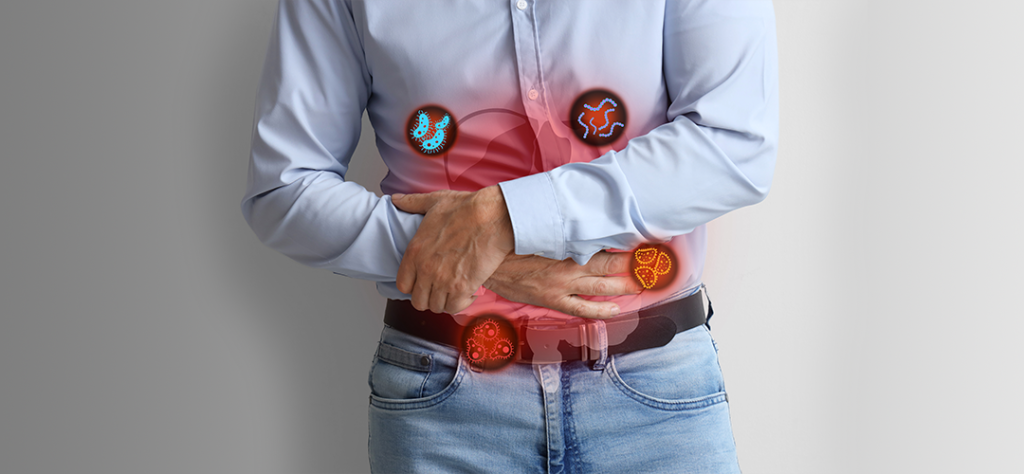
Table of Contents Help Others Discover – Click to Share! Facebook Twitter LinkedIn Table of Contents IT HITS FAST: One minute you’re going about your day. The next, your stomach is cramping, nausea has set in, and you’re making frequent trips to the bathroom. One minute, you’re going about your day. The next, your stomach is cramping, nausea has set in, and you’re making frequent trips to the bathroom. Gastroenteritis symptoms can appear suddenly and leave you feeling drained, uncomfortable, and unsure of what to do next. While most cases settle within a few days, knowing what is happening, and when it may need medical attention, can make recovery safer and easier. And getting help no longer has to begin with a phone call. With Cellmaflex, you can book an appointment online, find healthcare providers, pharmacies, laboratories and imaging services nearby, and access your medical records whenever and wherever you need them. ✓ Book an appointment online ✓ Find healthcare providers, pharmacies, laboratories and imaging services nearby ✓ Access your medical records whenever and wherever you need them Whether you want to speak to a healthcare professional about persistent symptoms or simply check your medical history, Cellmaflex keeps essential healthcare information within reach. So, what exactly causes gastroenteritis? Which signs should you watch for? How can you manage it at home, and when is it time to see a healthcare provider? Let’s break it down, from the first warning signs and common causes to diagnosis, management, prevention and recovery. What is Gastroenteritis? Think of gastroenteritis as an unwelcome disturbance in your digestive system. Gastroenteritis is inflammation of the lining of the stomach and intestines. The main cause of gastroenteritis is infection with viruses such as norovirus and rotavirus. But sometimes the cause can be either bacteria or parasites. The infection works through the digestive system and may cause watery stools, nausea and vomiting, stomach cramps and other digestive issues. The first signs may appear quite quickly or be delayed by several days after infection. The numbers show why gastroenteritis and diarrhoeal illnesses deserve attention. According to WHO, globally, nearly 1.7 billion cases of childhood diarrhoeal disease occur every year, while around 443,832 children under five die annually from diarrhoeal disease. In the Caribbean, CARPHA reported 4,901 cases of acute gastroenteritis across 19 of 22 reporting Member States in Q4 2020, including 1,319 cases among children under five and 3,582 among people over five. These figures highlight the importance of recognising symptoms early, maintaining hydration and seeking medical care when symptoms become severe or persistent. The good news is that most people recover with no consequences. Nonetheless, more severe cases require medical treatment, as loss of water may cause dehydration. If you recognise the pattern of symptoms early enough, you will be able to take timely measures, such as drinking enough fluid and taking rest. CELLMAFLEX TIP: If you feel that you need to consult a healthcare specialist, you can use the Cellmaflex application to find the best medical provider in a matter of seconds. Why Does Gastroenteritis Awareness Matter? Gastroenteritis is a common cause of diarrhoeal illness worldwide, and it can spread surprisingly easily. A contaminated meal, unsafe drinking water, an unwashed pair of hands or close contact with an infected person can all provide an opportunity for infection to spread. While many cases are mild, the loss of fluids and electrolytes through repeated diarrhoea and vomiting can become a serious concern. Dehydration is particularly important to watch for in young children, older adults and people with weakened immune systems. That is why knowing the gastroenteritis symptom warning signs matters. Awareness can encourage people to replace lost fluids early, practise good hygiene and seek medical advice when symptoms become severe or prolonged. CELLMAFLEX TIP: Staying connected to healthcare is easier—you can search for nearby doctors, pharmacies, labs and imaging services and manage appointments digitally when you need additional support. The Gastroenteritis Symptoms You Should Know Your digestive system usually makes its complaints pretty clear. The general signs and symptoms of gastroenteritis include: Loose stools or diarrhoea: the presence of watery stools is one of the prominent symptoms Nausea and vomiting: these may happen along with loose stools or may occur alone Abdominal pain: cramps may happen in the stomach, from mild to severe pain Fever: some types of infections can cause fever Appetite loss: one may not feel hungry when there is inflammation in the digestive tract Headaches: a person’s headaches may be due to both dehydration, as well as, infection Muscle pain and body ache: muscle pain and weakness may occur in some viral infectious disorders Dehydration: one may experience thirst, dry mouth, light-headedness, or weakness due to dehydration CELLMAFLEX TIP: If the symptoms are disturbing your daily routine, Cellmaflex can help you locate a suitable health practitioner and book an appointment online. What Are the Causes of Gastroenteritis? There are various causes involved in gastroenteritis, but in most cases, infections play an important role. Cause Details Viral infection Viruses such as norovirus and rotavirus are the most common cause and spread easily between people Bacterial infection Infectious bacteria such as salmonella, campylobacter and some strains of E. coli also cause gastroenteritis Parasitic infections Parasites can be transmitted through contaminated food or water and may cause gastrointestinal illness Contaminated/undercooked food Food not prepared, cooked or stored safely can allow harmful microorganisms to multiply Unsafe water Drinking contaminated water can expose you to viruses, bacteria or parasites Close contact Being around someone who is infected can increase your risk, particularly when hygiene practices are poor Contaminated hands/surfaces Touching contaminated surfaces then touching your mouth or eating without washing hands can facilitate transmission Understanding the cause can help healthcare professionals determine the most appropriate approach to diagnosis and treatment. How is Gastroenteritis Diagnosed and Managed? In many mild cases, gastroenteritis can be diagnosed based on your symptoms and medical history. A healthcare provider may ask about: When your symptoms started Recent food or water consumption Recent travel Contact
Irritable Bowel Syndrome (IBS): An Overview of IBS symptoms, causes and types

Table of Contents Help Others Discover – Click to Share! Facebook Twitter LinkedIn Table of Contents Digestive problems can be easy to dismiss. Bloating after a meal, recurring stomach cramps, or changes in bowel habits may seem like something that will simply go away. But when these symptoms keep returning, interfere with daily activities, or begin affecting your quality of life, it may be time to seek medical advice. For people living with Irritable Bowel Syndrome (IBS), managing recurring symptoms can be frustrating. Finding the right healthcare professional, booking an appointment, keeping track of test results, and following up on treatment can add another layer of difficulty. With digital healthcare platforms such as Cellmaflex, patients can find healthcare providers, book appointments online, access their health information, and stay connected with their care journey without relying entirely on phone calls or in-person visits. IBS is a common digestive disorder that affects how the intestines function. It can cause recurring abdominal pain, bloating, diarrhoea, constipation, or a combination of these symptoms. Although IBS is a long-term condition, it can often be managed through appropriate treatment, healthy lifestyle habits, and by identifying individual symptom triggers. This blog explores what Irritable Bowel Syndrome (IBS) is, its prevalence, why IBS awareness matters, IBS symptoms, types, causes, diagnosis, treatment options, ways to manage IBS, when to seek medical advice, and how patients can live well with the condition. What is Irritable bowel syndrome? Irritable bowel syndrome, also known as IBS, is a chronic functional gastrointestinal disorder that affects the digestive system. It changes how the intestines function, leading to symptoms without causing visible damage to the digestive tract. Symptoms in people with IBS vary from abdominal pain and cramping to diarrhoea or constipation, and they may alternate over time. With IBS, you may have diarrhoea, constipation, or an alternating pattern where symptoms switch back and forth. IBS does not cause damage to the gastrointestinal (GI) tract, nor does it increase the risk of problems such as colon cancer. Instead, it is a chronic condition that can usually be managed through dietary changes, stress management, medication, lifestyle changes, and ongoing medical care. The exact cause of IBS is not known. However, changes in gut movement, increased sensitivity of the digestive tract, stress, and changes in the gut microbiome may contribute to the condition. Symptoms can vary from person to person and may come and go over time. Females are at about twice the risk of suffering from IBS compared to men, and symptoms may worsen around the time of menstruation. IBS is a common gastrointestinal disorder affecting approximately 10–15% of people worldwide, although prevalence varies depending on the diagnostic criteria used. In the United States, the NIDDK estimates that around 12% of people have IBS. Reliable, up-to-date Caribbean-wide prevalence data are currently limited, with available research largely reporting findings from individual countries or specific populations. Early medical evaluation is important because several other digestive conditions can cause symptoms similar to IBS. A healthcare professional can assess symptoms and determine whether further investigation is needed. Why Does IBS Awareness Matter? Many people assume that persistent digestive discomfort is simply caused by something they ate or by everyday stress. However, recurring symptoms can affect much more than digestion. IBS may interfere with work, social activities, daily routines, and emotional well-being. Understanding the symptoms and potential triggers of IBS can help people recognise when they should seek medical advice. Early evaluation can also help rule out other digestive conditions and support better symptom management. By becoming more aware of personal triggers and understanding how IBS affects the body, individuals can take a more active role in managing flare-ups and maintaining their quality of life. What are the types of IBS? There are three categories of IBS. Researchers classify IBS based on how your stools look on days when you are having symptom flare-ups. Most people with IBS have normal bowel movements some days and abnormal ones on others. The abnormal days explain what type of IBS you have. IBS with constipation (IBS-C): Stools are mostly hard and lumpy. IBS with diarrhoea (IBS-D): You mostly experience loose, watery stools. IBS with mixed bowel habits (IBS-M): You experience both the diarrheal type and the constipated type combined, such that you both have hard and lumpy bowel movements and loose and watery movements. The differences are important as certain treatments only work for specific types of IBS. IBS symptoms IBS may appear with frequent symptoms or symptoms may occur during flare-ups. In other words, you do not always have symptoms. Rather, symptoms may stop occurring (and you’ll again have normal bowel movements). At other times, symptoms will recur. IBS symptoms are: Pain or cramping in the abdomen, often accompanied by a desire to have a bowel movement. Gas or bloating. Diarrhoea – loose stools. Constipation – few stools. Alternating between periods of diarrhoea and constipation. You have mucus in your stool, which can appear whitish in color. You do not feel as if you have entirely eliminated stool from your body after a bowel movement. Causes of IBS The definite cause of IBS has not been determined, but several factors may contribute to its development. Changes in gut motility: Food may move through the digestive tract too quickly or too slowly, contributing to diarrhoea or constipation. Increased gut sensitivity: People with IBS may have a digestive tract that is more sensitive to normal bowel activity, which can contribute to abdominal pain or discomfort. Gut-brain interaction: Abnormal communication between the gut and brain may affect bowel function. Changes in gut bacteria: Changes in the balance of bacteria in the gut microbiome may play a role in IBS symptoms. Food sensitivities: Some individuals may find that certain foods or beverages trigger their symptoms. Common examples include dairy products and foods high in FODMAPs. Infections: A previous gastrointestinal infection may increase the risk of developing IBS in some people. Stress and psychological factors: Anxiety, stress, and other emotional factors may contribute to or
From GERD Symptoms to Causes: A Complete Guide to GERD

Table of Contents From GERD Symptoms to Causes: A Complete Guide to Gastroesophageal Reflux Disease Help Others Discover – Click to Share! Facebook Twitter LinkedIn Table of Contents Heartburn after a heavy meal is something many people experience occasionally. But when acid reflux happens frequently and begins affecting your daily life, it could be a sign of Gastroesophageal Reflux Disease (GERD). This common digestive condition occurs when stomach acid repeatedly flows back into the oesophagus, causing irritation and discomfort. GERD can affect people of all ages and may lead to complications if left untreated. Recognising GERD symptoms early, understanding the causes, and seeking timely medical care can help manage the condition effectively and improve your quality of life. Healthy lifestyle habits, appropriate treatment, and regular follow-up with a healthcare provider play an important role in controlling GERD and preventing long-term digestive problems. In this blog, we’ll explore GERD symptoms, causes, diagnosis, treatment options, and how Cellmaflex can help you access the care you need. What is Gastroesophageal Reflux Disease (GERD)? Gastroesophageal reflux disease, or GERD for short, is an illness in which stomach acid returns periodically into the oesophagus – the tube connecting the mouth to the stomach. The backwash is termed acid reflux, which might irritate the oesophageal lining. Such backflow can cause many uncomfortable symptoms as well as complications. The condition develops when the gastroesophageal sphincter fails to close completely and causes leakage of stomach content into the lower part of the oesophagus. Gastroesophageal Reflux Disease (GERD) is one of the most common digestive disorders worldwide. According to the latest Global Burden of Disease (GBD) 2021 study, an estimated 826 million people were living with GERD globally, with approximately 324 million new cases reported in 2021 alone. The global prevalence continues to rise, making early recognition and effective management increasingly important. While comprehensive Caribbean-wide prevalence figures are limited, the Global Burden of Disease 2021 study reports that the Caribbean has one of the lowest age-standardised prevalence rates of GERD among the 21 GBD regions. Despite this, GERD remains an important digestive health condition, and early diagnosis and appropriate treatment are essential to prevent long-term complications. Why GERD Awareness Matters Many people consider frequent heartburn to be a normal part of everyday life, but persistent reflux symptoms should not be ignored. Untreated GERD can lead to complications that affect long-term digestive health and overall well-being. Early medical evaluation allows symptoms to be managed before complications develop. Understanding common triggers also helps individuals make healthier lifestyle choices and seek treatment sooner. Greater awareness of GERD encourages earlier diagnosis, effective treatment, and a better quality of life. What Causes GERD? GERD develops when the lower oesophageal sphincter becomes weakened or relaxes more often than it should, allowing stomach acid to flow back into the oesophagus. Common causes and contributing factors include: Weakening of the lower oesophageal sphincter (LES) Eating large meals or lying down soon after eating Obesity or excess body weight Pregnancy Smoking Certain foods and beverages, including fatty foods, spicy foods, caffeine, chocolate, alcohol, and carbonated drinks Certain medications that may contribute to reflux symptoms Acid reflux may also become worse at night, after consuming rich or fatty meals, when bending forward, or after smoking and alcohol consumption. GERD symptoms include: Backwash: You may experience acid, food or liquids backwashing from your stomach into your throat after eating. This is also known as regurgitation. You may notice the sour taste of the acid. A burning feeling: Acid literally burns the tissues in your oesophagus. If it feels like it’s in your chest, it’s called heartburn. If it feels closer to your stomach, you might call it acid indigestion. Noncardiac chest pain: Some people feel pain in their oesophagus that doesn’t feel like burning. Oesophagus pain triggers the same nerves as heart-related pain does, so it might feel like that. Nausea: Backwash or acid reflux may lead to your disgust at food or nausea, although it has been a long time since you last ate. You could feel as though food is left to be digested. Sore throat: If acid flows back into your throat, it can cause pain. You may feel like you have a lump in your throat, or like it’s hard to swallow. Acid flowing back into your throat usually happens at night. Asthma-like symptoms: GERD can cause asthma-like symptoms, including persistent coughing, wheezing, and shortness of breath. Acid droplets going into your airways can make them constrict. Your GERD symptoms may be worse: At night or when lying After rich fatty foods After forward bending After smoking or alcohol consumption. Stages of GERD Stage 1: Mild GERD Only once or twice a month, there is minimal acid reflux. GERD symptoms at this stage can often be managed with diet and lifestyle modifications along with over-the-counter medication to help alleviate acid reflux as necessary. Stage 2: Moderate GERD Symptoms in this stage are chronic and recurring and hence, prescribed medication is required as acid reflux occurs often. Symptoms do interfere with activities of daily living. Stage 3: Advanced GERD Here, symptoms are also very painful and do not have improvement even when taken the prescription medication. It would therefore interfere with quality of life and your doctor may prescribe GERD surgical intervention at this point. Stage 4: Pre-cancer or cancer After several years of untreated severe GERD symptoms, the oesophagus may develop a condition called Barrett’s oesophagus, which is a precancerous condition. Left untreated, precancerous lesions may progress into oesophageal cancer. Symptoms at each stage Mild stage, the symptoms are: Heartburn and regurgitation occurring infrequently (less than once a week). Moderate stage, the symptoms are: Heartburn and regurgitation occurring a few times a week. Advanced stage, the symptoms are: Heartburn, regurgitation, atypical GERD. Pre-cancer or cancer stage, the symptoms are: Heartburn, regurgitation, atypical GERD, dysphagia (difficulty in swallowing), endoscopic findings of strictures, Barrett’s oesophagus, oesophageal cancers. Risk factors associated with GERD: Conditions that may increase the risk of GERD include: Obesity Bulging of the top of the stomach up above the diaphragm, known as a hiatal hernia Pregnancy Connective tissue disorders, such as scleroderma Delayed stomach emptying Things that can make acid reflux worse include: Smoking Eating large meals or eating late at night Eating certain foods, such as fatty or fried foods Drinking certain beverages, such as alcohol or coffee Taking certain medicines, such as aspirin Complications of Untreated GERD Without treatment, chronic acid exposure can lead to
Hepatitis Symptoms: Common Signs, Risk Factors, and Treatment
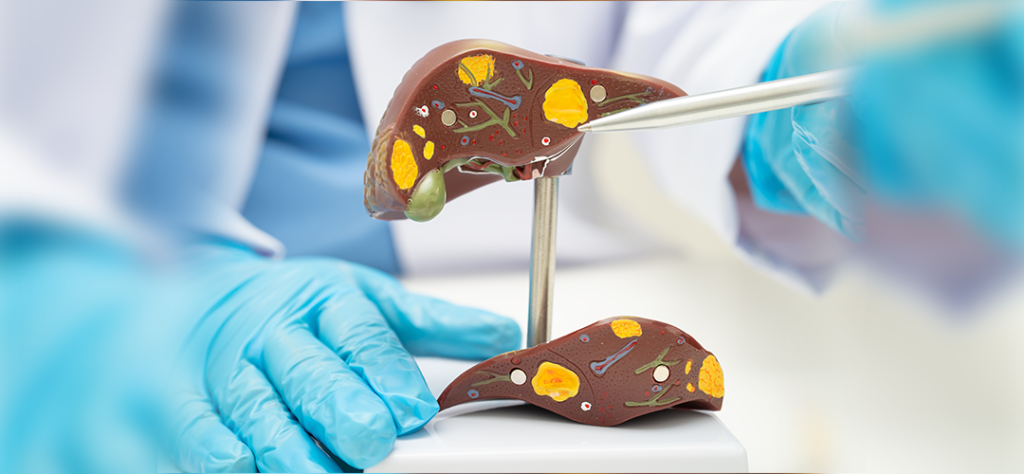
Table of Contents Help Others Discover – Click to Share! Facebook Twitter LinkedIn Table of Contents QUIET BUT SERIOUS: Your liver can stay inflamed for months or even years without showing obvious warning signs. That’s exactly why understanding hepatitis symptoms matters so much. The liver has a number of significant roles to perform in the body, including eliminating toxins, assisting in digestion, storing vital nutrients, and performing many other critical functions. The liver can be affected by hepatitis – it can become inflamed but still function normally for a long time and not show any external sign of damage. Therefore, understanding the symptoms of hepatitis is of particular importance. Taking care of your health starts with easy access to healthcare. With Cellmaflex, you can find nearby doctors, laboratories, imaging centres, and pharmacies, book appointments online without making phone calls, and securely access your medical records anytime, anywhere. ✓ Find nearby doctors, laboratories, imaging centres, and pharmacies ✓ Book appointments online without making phone calls ✓ Securely access your medical records anytime, anywhere Whether you’re scheduling a routine screening or following up on test results, Cellmaflex helps you stay connected to your healthcare journey. In this blog, you’ll learn what hepatitis is, the different types, common hepatitis symptoms, how the infection spreads, available diagnostic tests, prevention tips, treatment options, and when you should seek medical advice. Whether you’re scheduling a routine screening or following up on test results, Cellmaflex helps you stay connected to your healthcare journey. In this blog, you’ll learn what hepatitis is, the different types, common hepatitis symptoms, how the infection spreads, available diagnostic tests, prevention tips, treatment options, and when you should seek medical advice. What is Hepatitis? Hepatitis means that liver is inflamed, which affects its functioning. The most common cause of hepatitis is viral infection, but there are various other reasons, including excessive consumption of alcohol, use of some drugs, autoimmune diseases, and toxins. There are five main types of viral hepatitis: Type How It Spreads Hepatitis A (HAV) Usually spreads through contaminated food or water; often a short-term illness Hepatitis B (HBV) Spread through infected blood and certain body fluids, including during unprotected sex and from mother to baby during childbirth. It can become chronic if left untreated. Hepatitis C (HCV) Primarily spread through blood-to-blood contact; a leading cause of chronic liver disease Hepatitis D (HDV) Occurs only in people who already have Hepatitis B Hepatitis E (HEV) Commonly transmitted through contaminated food or water; usually acute Whereas some infections resolve on their own, chronic Hepatitis B and C may quietly damage the liver for years. For the most part, there are few or no symptoms of hepatitis during the initial stages of the virus, which means that testing is essential for those most at risk. Globally, viral hepatitis remains a major public health concern. According to the WHO, an estimated 287 million people were living with chronic hepatitis B or C in 2024 (240 million with hepatitis B and 47 million with hepatitis C), while approximately 1.3 million people died from hepatitis-related liver disease and liver cancer. Despite the availability of effective vaccines and treatments, millions of people remain undiagnosed, highlighting the importance of early testing and timely care. In the Caribbean, viral hepatitis continues to place a significant burden on healthcare systems. The PAHO reports that hepatitis B and C account for more than 95% of hepatitis-related deaths in the Americas, with chronic infections increasing the risk of cirrhosis and liver cancer. Strengthening vaccination, expanding access to testing and treatment, and improving public awareness remain key priorities across the Caribbean to support the goal of eliminating viral hepatitis as a public health threat by 2030. Why Hepatitis Awareness Matters In many parts of the world, millions of people suffer from viral hepatitis but are unaware of their disease, as manifestations of the illness do not occur until significant liver damage has already been done. Raising awareness facilitates early testing and vaccination, as well as treatment before the complications develop, such as cirrhosis or liver cancer, which may have serious repercussions. CELLMAFLEX TIP: If you don’t know whether you are at risk or if you just need to get a checkup, Cellmaflex helps find a health provider close to you and make a booking. Common Symptoms of Hepatitis Recognising hepatitis symptoms early allows healthcare providers to diagnose the condition sooner and begin appropriate treatment. Common symptoms include: Persistent fatigue Fever Loss of appetite Nausea and vomiting Abdominal pain or discomfort, especially on the upper right side Dark urine Pale or clay-coloured faeces Yellowing of the skin and eyes (jaundice) Joint pain IMPORTANT: Many people with chronic Hepatitis B or C may have no noticeable symptoms for several years, which is why routine screening remains essential for people with known risk factors. How is Hepatitis Transmitted? Different types of hepatitis spread in different ways. Hepatitis A and E are primarily spread through contaminated food or water Hepatitis B spreads through infected blood and certain body fluids, including unprotected sexual contact Hepatitis C is mainly transmitted through blood-to-blood contact, such as sharing needles or unsafe medical procedures Hepatitis B can also pass from mother to baby during childbirth GOOD TO KNOW: Hepatitis cannot be spread through hugging, sharing meals, coughing, sneezing, or everyday casual contact. Preventive measures include: ✓ Receiving recommended vaccinations ✓ Practising good hygiene ✓ Using protection during sexual activity ✓ Avoiding shared needles and personal items that may contain blood ✓ Ensuring medical procedures use sterile equipment CELLMAFLEX TIP: If you believe you’ve been exposed, Cellmaflex allows you to quickly find nearby clinics or laboratories and book a consultation online without waiting on phone lines. Diagnosis and Management Early diagnosis plays a vital role in protecting liver health and reducing long-term complications. Healthcare providers may recommend: Hepatitis screening for individuals at increased risk Blood tests to identify the type of hepatitis infection Liver function tests Imaging scans or additional investigations to assess liver damage Treatment depends on the type of hepatitis. Some infections resolve without medication, while chronic Hepatitis B requires ongoing monitoring and antiviral treatment. Hepatitis C can often be cured with modern antiviral medicines. CELLMAFLEX TIP: Regular follow-up appointments are equally important. Through Cellmaflex, patients can conveniently manage appointments, review medical records, and keep track of their healthcare information from any device. Prevention and Reducing Hepatitis Risk Many cases of viral hepatitis can be prevented through simple lifestyle measures and routine healthcare. You can reduce your risk by: ✓ Getting vaccinated against Hepatitis A