


The Future of Virtual Care in Community Settings Starts with Cellma

Table of Contents Help Others Discover – Click to Share! Facebook Twitter LinkedIn Table of Contents THE STATE OF PLAY: Every Integrated Care System (ICS) in England now delivers virtual ward services – supporting more than 9,000 patients every day. Healthcare is moving beyond hospital walls. Today, every Integrated Care System (ICS) in England delivers virtual ward services, supporting more than 9,000 patients every day. Metric Figure Patients supported daily via virtual wards 9,000+ NHS providers with an Electronic Patient Record (EPR) 93% Providers with fully integrated two-way data sharing 30% Virtual wards enable hospital-at-home care by supporting early discharge, preventing unnecessary hospital admissions, and allowing patients to receive acute clinical care safely in their own homes through remote monitoring and multidisciplinary support. Yet, while 93% of NHS providers have an Electronic Patient Record (EPR), only 30% have fully integrated two-way data sharing. This disconnect makes it difficult for district nursing and community care teams to access complete patient information, coordinate care, and deliver timely interventions. As more patients expect digital services such as online appointments, virtual consultations, and secure access to their health records, the need for virtual care in community settings has never been greater. The NHS 10-Year Health Plan supports the trend of moving from hospital treatment towards community and neighbourhood health care, making digital health in community hospitals one of the top priorities. Furthermore, the plan establishes basic goals like the creation of a unified patient record, improved interoperability, and the establishment of more digital wards and services that enhance interaction between hospitals, primary care, and communities. Obtaining those objectives implies not only having separate digital tools to use but also having an integrated platform for safe and efficient sharing of information between all parties concerned. Cellma is the solution for making the NHS policies real. The Challenges of Delivering Virtual Care in Community Settings As healthcare increasingly moves into homes and local communities, clinicians need instant access to accurate patient information, wherever they are. However, many organisations still rely on disconnected systems that create barriers to efficient care delivery. Common challenges include: Fragmented patient records across multiple systems Early detection of deterioration & escalations Limited interoperability between hospitals, primary care, and community services Delayed access to clinical information during home visits Poor visibility of remote monitoring data Time-consuming manual documentation Limited patient engagement outside face-to-face appointments Difficulty coordinating multidisciplinary teams An integrated digital ecosystem is key in making virtual care effective in communities. Absence of any one part of the ecosystem means increased workload for administrative staff and inability to provide seamless care. How Cellma Supports Virtual Care in Community Settings Cellma is advanced EHR technology that provides healthcare facilities with the ability to provide their patients with effective virtual care in the community. A Single Patient Record The great advantage of using Cellma is its capability to track changes made in patients’ records while the patients are getting care at home, having virtual consultations or transferring from one medical facility to another. Clinicians across every care setting can securely access the same real-time information, improving communication and continuity of care. Interoperability That Connects the NHS Successful virtual care in community settings depends on information flowing seamlessly across organisations. Cellma supports interoperability through: Standard / System Purpose HL7 FHIR Two-way data exchange Open APIs Flexible system connectivity GP Connect Primary care data sharing Personal Demographics Service (PDS) Verified patient demographics Summary Care Record (SCR) Shared clinical summary Electronic Prescription Service (EPS) Medication and prescribing data Care Identity Service 2 (CIS2) Secure clinician authentication This enables secure data exchange between hospitals, GP practices, community services, laboratories, imaging systems, and multidisciplinary teams, reducing duplication and improving care coordination. A Patient Portal That Keeps Patients Engaged Patient engagement is essential for successful virtual care. Cellma’s secure Patient Portal enables patients to: ✓ Book appointments online ✓ Join virtual consultations ✓ Access their health records ✓ View care plans ✓ Complete pre-consultation questionnaires ✓ Receive reminders and notifications ✓ Communicate securely with care teams With NHS App integration, patients can also access healthcare services through familiar NHS digital channels, creating a more connected experience throughout their care journey. Smarter Decisions with AI and AVT Technology should lessen the administrative burden rather than multiply it. Cellma’s AI Voice Technology (AVT) translates clinical discussions into organized documents in order to free clinicians from spending too much time typing. Meanwhile, the AI Clinical Decision Support system reviews patient history, reports highlights information at risk, observes trends emerges and provides relevant information enabling a quick decision making in health care. So, together these innovations help medical practitioners to devote more of their hours to patients rather than administrative work. Supporting Remote Monitoring and Care Coordination Virtual care goes beyond video visits. Cellma includes remote monitoring information in the patient’s clinical record, giving care providers access to observations in conjunction with both the patient’s medical history and the medication, assessments, and planned care. Integrated referrals, structured care pathways, task management, and teamwork ensure that every member of the care team has access to the information on the patient. Built for the NHS’s Digital Future Healthcare organisations need technology that not only supports today’s virtual services but is also ready for tomorrow’s NHS. Cellma is designed to meet NHS digital requirements through: Capability Category HL7 FHIR interoperability Interoperability NHS App integration Patient engagement GP Connect, PDS, SCR, EPS, CIS2 connectivity Interoperability Open APIs Interoperability DTAC compliance Governance DSP Toolkit Governance SNOMED CT Clinical coding UK GDPR Data protection Cyber Essentials Plus Security AI Voice Technology (AVT) AI / automation AI-powered Clinical Decision Support AI / automation Secure Patient Portal Patient engagement These capabilities provide the digital foundation needed to scale virtual care in community settings while supporting integrated, secure, and patient-centred healthcare. The Future of Virtual Care Is Connected The future of healthcare relies heavily on connected information, empowered patients, and intelligent technology. As the NHS pursues its comprehensive transformation towards community-first care, organizations need answers that will allow the development of seamless interaction, clinical decision-making, and patient involvement. Cellma brings together interoperability, virtual consultations, remote monitoring, AI-powered clinical support, AVT, a secure Patient Portal, and one connected patient record to help healthcare providers deliver safer, smarter virtual care in community settings. Ready to Deliver Connected Virtual Care? Discover how Cellma can help your organisation transform virtual care in community settings with one intelligent, NHS-ready platform. Book a demo today. Recent Blogs Let’s transform healthcare together.
HIV Symptoms: Causes, Progression, Diagnosis, and Care

Table of Contents Help Others Discover – Click to Share! Facebook Twitter LinkedIn Table of Contents Millions of people around the world live with HIV, and though it is still not curable, treatment has improved dramatically to make it a manageable condition over time. Knowing more about the symptoms of HIV, how it is transmitted and how to be tested can equip you with information to guide your health decisions, while reducing HIV stigma. Getting tested and starting treatment as soon as possible after infection is key to living a long, healthy life. Digital healthcare solutions such as Cellmaflex facilitate the management of health. Cellmaflex allows patients to locate a doctor, pharmacy, laboratory, and imaging centre near them. It also allows them to book an appointment through the internet. In this blog, we will discuss HIV symptoms, how it is transmitted, prevention techniques, diagnosis, treatment, and the importance of proactive healthcare for a healthy long term. What is HIV? HIV refers to human immunodeficiency virus, which affects the immune system. The virus specifically targets the CD4 cells which are essential in fighting infections. Without treatment, HIV continues weakening the immunity thus making the body weak against diseases. Transmissible material includes body fluids such as blood, semen, vaginal secretions rectal secretions, and breast milk. Globally, HIV continues to be a major public health concern. According to UNAIDS, an estimated 40.8 million people were living with HIV in 2024, with 1.3 million new infections reported during the year. In the Caribbean, the region with the second-highest HIV prevalence after sub-Saharan Africa, new HIV infections have declined by 22% since 2010, while AIDS-related deaths have fallen by 57%. However, nearly 90% of new HIV infections in 2023 occurred in just four countries: Cuba, the Dominican Republic, Haiti, and Jamaica, highlighting the continued need for awareness, testing, and access to treatment. NOT SPREAD THROUGH: Everyday contact-like saliva, hugging, shaking hands, sharing food, or mosquito bites. Today, antiretroviral therapy (ART) enables people with HIV to control the virus effectively, making HIV a manageable chronic condition when diagnosed early and treated consistently. How is HIV Transmitted? HIV can be transmitted through: Unprotected vaginal or anal sex Sharing needles or injection equipment Mother-to-child transmission during pregnancy, childbirth, or breastfeeding Contact with infected blood or certain body fluids The risk of transmission can be significantly reduced by practising safer sex, using clean needles, getting tested regularly, and considering preventive treatments such as PrEP or PEP when appropriate. Why HIV Awareness Matters Those suffering from HIV do not show signs associated with the disease for extended periods. That’s why testing for HIV is crucial. Testing helps initiate treatment before HIV may cause harm to the person’s immune system. Awareness also helps to eliminate myths and disrupt stigma which are often connected to HIV. When people are informed about how HIV is transmitted, their chances of getting tested increase significantly. CELLMAFLEX TIP: Using Cellmaflex to find healthcare providers and book appointments online makes accessing these services simpler and more convenient. Common HIV Symptoms The first HIV symptoms often resemble those of the flu and usually appear within a few weeks of infection. Common symptoms include: Fever and chills Swollen lymph nodes Skin rash Sore throat Night sweats Persistent fatigue Muscle aches Unexplained weight loss Distal sensory polyneuropathy (later stage) HIV-associated neurocognitive disorders (later stage) Frequent infections during later stages IMPORTANT: Many people experience no noticeable HIV symptoms for years. The only reliable way to know your HIV status is through testing. Diagnosis and Management Healthcare providers diagnose HIV using laboratory blood tests. Routine screening is recommended for individuals who are sexually active or may have been exposed to the virus. If diagnosed, treatment with antiretroviral therapy (ART) should begin as early as possible. Regular monitoring of viral load and immune health helps ensure treatment remains effective. CELLMAFLEX TIP: Patients can also use Cellmaflex to securely access their health records and keep track of appointments and ongoing care. Preventing HIV Reducing the risk of HIV involves several simple but effective measures: ✓ Practise safer sex and use protection like condoms ✓ Get tested regularly if you are sexually active or at increased risk ✓ Consider PrEP if recommended by your healthcare provider ✓ Seek PEP immediately after a potential HIV exposure ✓ Never share needles or injection equipment ✓ Maintain regular healthcare appointments and discuss any concerns openly with your doctor Early action can prevent infection and support better long-term health outcomes. When Should You See a Healthcare Provider? You should consult a healthcare provider if: You believe you’ve been exposed to HIV You develop flu-like HIV symptoms after a potential exposure You would like routine HIV testing You’re interested in learning about PrEP or PEP You receive a positive HIV test result You have questions about HIV prevention or treatment CELLMAFLEX TIP: Cellmaflex allows you to quickly locate nearby healthcare providers and book appointments online, helping you access care without unnecessary delays. Living Well with HIV Modern HIV treatment has changed lives. With consistent ART, many people achieve an undetectable viral load. This is known as U=U (Undetectable = Untransmittable), which means HIV will not be transmitted sexually to partners as long as the virus remains suppressed in the patient’s system. Regular visits to the doctor, making healthy lifestyle choices, and following the treatment plan of HIVN individuals assists them in maintaining a happy, good quality of life. CELLMAFLEX TIP: Monitoring your care is also easier when your medical records are available securely through Cellmaflex whenever you need them. Conclusion Identifying the symptoms, testing for HIV, and starting treatment are crucial steps towards protecting your health. HIV is curable as long as the patient has access to modern medical services. The role of Cellmaflex in your health is to connect you with clinics, doctors, pharmacies, laboratories, and imaging centers for convenient online visits and access to health records at any time. Cellmaflex supports your healthcare journey by helping you find nearby doctors, pharmacies, laboratories, and imaging centres, book appointments online without phone calls, and access your medical records anytime, anywhere. Taking action today is the first step towards better health. Whether you’re seeking routine HIV testing, follow-up care, or trusted healthcare services, Cellmaflex is with you every step of the way. Recent Blogs FAQs
District Nursing Teams Deserve Better: How Cellma Connects Community Care

Table of Contents Help Others Discover – Click to Share! Facebook Twitter LinkedIn Table of Contents THE NUMBERS TELL THE STORY: Between 2010/11 and 2024/25, full-time equivalent district nurses fell by 43% – while demand for care kept climbing. Community health services, unquestionably, are facing heavier workloads. Between 2010–11 and 2024–25, the number of full-time equivalent district nurses dropped by 43%, although the demand for care remained high. It should also be noted that the caseloads increased by 600 patients i.e. from 11.5% in 2019 to 16.2% in 2023. This trend means that health care providers are now taking care of more patients with fewer resources at their disposal. These numbers illustrate that district nursing teams require not just siloed electronic devices, but a connected Electronic Health Record (EHR) system that can accommodate care delivery wherever it takes place. Since community care has become increasingly dependent on electronic engagement, the secure Patient Portals that are integrated into the NHS App enable the patient to manage his appointments, treatment plans, and clinical information whilst allowing the health professionals to continue communicating. Here Cellma comes into play, providing an integrated solution to replace disparate systems with one interoperable platform specifically designed for contemporary community care. Supporting the NHS 10-Year Health Plan with Connected Community Care The NHS 10-Year Health Plan sets a clear direction for healthcare: ✓ Shifting care from hospitals to communities ✓ Creating a Single Patient Record by 2028 ✓ Ensuring 95% of people with complex needs have an agreed care plan by 2027 ✓ Expanding neighbourhood health centres ✓ Introducing AI-assisted clinical documentation Cellma facilitates accurate information sharing by employing HL7 FHIR, CareConnect APIs, Transfer of Care (ToC) messaging, MESH integration, SNOMED CT, ICD-10/ICD-11, DM+D, and Patient Portal interface, GP Connect, and the Personal Demographics Service (PDS) functionality, along with a few more noticeable options provided on the market nowadays. Besides, Cellma is one of the most reliable platforms in the connected health industry due to its compliance with the standards of ISO 27001, ISO 14001, ISO 9001, NHS DTAC, DSP Toolkit (DSPT), UK GDPR, and Cyber Essentials Plus. Why Fragmented Systems Are Holding Community Care Back Many health care providers in the community continue to rely on many independent systems to manage the documentation of patients, appointments, referrals, documentation, telemonitoring, and communication. This disconnected situation creates a number of operational difficulties. Clinicians often write down their consultations on paper or through offline notes, entering them into separate systems at the end of the day. This means that clinical updates are delayed, administrative burden is increased, and health care workers such as tissue viability nurses, physiotherapists, podiatrists, and GPs are unable to get the necessary information when they need it. Disconnected systems also lead to: Duplicate clinical documentation Delayed multidisciplinary communication Limited visibility of patient caseloads Inconsistent care planning Reduced clinician productivity Poor patient engagement Higher risks of missing critical clinical information Instead of supporting care delivery, fragmented tools create additional work for already overstretched clinicians. How Cellma Supports District Nursing Teams Mobile Point-of-Care Documentation Community nurses rarely work from a desk. Cellma enables secure mobile access with offline capability, allowing clinicians to record assessments, wound care, medications, observations, and treatment notes directly during home visits even if mobile connectivity is unavailable at the time. Once connectivity is restored, information synchronises automatically across the EHR, ensuring every member of the multidisciplinary team has immediate access to the latest patient record. This enables district nursing teams to spend more time delivering care instead of completing paperwork. Real-Time Caseload Management Growing caseloads require better operational visibility. Cellma provides live dashboards showing: Individual clinician workloads Team caseload distribution High-risk patients Outstanding visits Care plan reviews Service performance indicators Managers can balance workloads more effectively while ensuring patients receive timely interventions. Structured Clinical Assessments That Improve Care Quality When workloads increase, important assessments are often delayed or missed. Cellma includes configurable assessment templates covering: Physical health Psychological wellbeing Continence management Tissue viability Falls risk Pressure ulcer assessments Long-term condition reviews Safeguarding Medication reviews Structured workflows help ensure consistent documentation and reduce the likelihood of essential care being overlooked. Digital Care Planning That Meets National Goals The NHS aims for almost every patient with complex needs to have an agreed care plan. Cellma enables clinicians to create, review, and update personalised care plans within a shared patient record. These plans remain accessible across community nursing, general practice, hospital teams, virtual wards, allied health professionals, and social care where appropriate, helping district nursing teams deliver coordinated care throughout the patient journey. Built for Integrated Community Healthcare Modern community care depends on collaboration. Cellma supports multidisciplinary working by giving authorised professionals access to a shared patient record with real-time updates. Whether care is delivered by: District nurses GPs Community matrons Physiotherapists Occupational therapists Tissue viability specialists Mental health professionals Virtual ward clinicians ……everyone works from the same up-to-date information. This reduces duplication, improves communication, and supports faster clinical decision-making. Interoperability That Connects the Entire NHS Healthcare organisations often struggle because information remains trapped inside isolated systems. Cellma addresses this through comprehensive interoperability, including: HL7 FHIR two-way interoperability CareConnect APIs Transfer of Care (ToC) messaging MESH messaging GP Connect Personal Demographics Service (PDS) Summary Care Record (SCR) NHS e-Referral Service (e-RS) Electronic Prescription Service (EPS) Open RESTful APIs SNOMED CT clinical coding ICD-10 and ICD-11 coding DM+D medication standards These integrations ensure patient information follows individuals across primary, secondary, community, and virtual care settings, creating a truly connected healthcare ecosystem. Secure, Compliant and Future Ready Cellma supports: NHS DTAC NHS DSP Toolkit (DSPT) UK GDPR Cyber Essentials Plus ISO 27001 Information Security ISO/IEEE 11073 connected device standards OAuth 2.0 authentication TLS 1.2 secure communication Signed JWT authentication Clinical Safety Officer governance These standards ensure secure information sharing while protecting sensitive patient data across community settings. Designed Around Clinicians Technology should reduce workload—not create more of it. Cellma has been designed to eliminate duplicate documentation by keeping all patient information within a single integrated record. The platform also supports: ✓ Intuitive workflows ✓ Faster documentation ✓ Privacy-conscious screen layouts for home visits ✓ Reduced administrative burden ✓ Easier navigation ✓ Consistent clinical documentation As the NHS introduces ambient AI documentation, Cellma is also positioned to support AI-powered clinical scribing, helping clinicians spend less time typing and more time with patients. Patient Engagement Beyond the Home Visit Community care extends beyond scheduled visits. Cellma’s secure Patient Portal, integrated with the NHS App, enables patients to: View appointments
Understanding HPV Symptoms: What You Need to Know
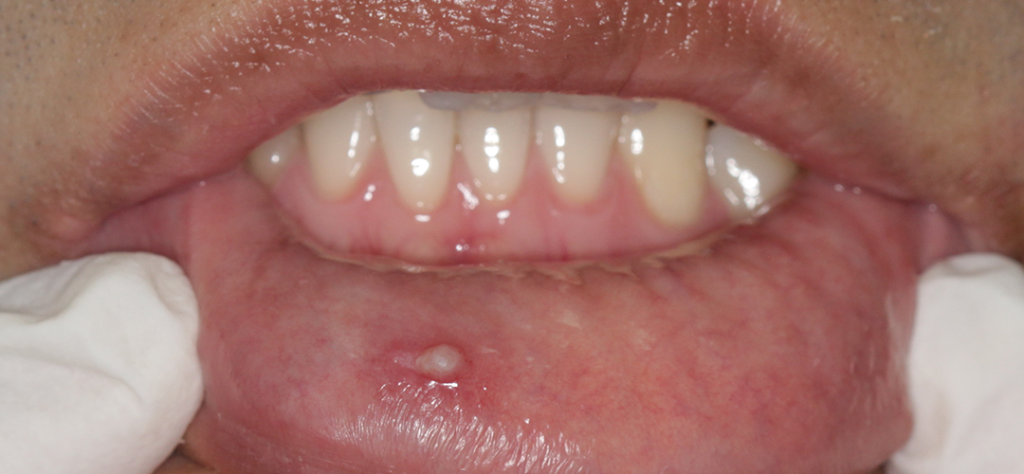
Table of Contents Help Others Discover – Click to Share! Facebook Twitter LinkedIn Table of Contents Quick truth bomb: Most people who have HPV don’t know it. No symptoms. No warning. That’s exactly why understanding this virus matters so much. Human Papillomavirus (HPV) is one of the most common viral infections worldwide, yet it remains widely misunderstood. Many people may be unaware that they have come into contact with the virus as they often do not show signs of HPV infection. Most of the time, HPV infections will clear up on their own with no problems arising from the infection. However, the virus can lead to genital warts and the development of certain types of cancer. It is important to be educated about the topic of HPV as it can help in fighting stigma, promoting the practice of getting tested for HPV, as well as making informed decisions regarding the issue of sexual health. In today’s world, taking care of your health has become much easier with the help of digital healthcare platforms like Cellmaflex. You don’t have to make phone calls or wait in lines anymore – with the help of Cellmaflex, you can: Book appointments with healthcare practitioners online Look for doctors, laboratories, imaging centres, and pharmacies near you Access your medical records anytime from anywhere Whether you want to schedule a routine cervical screening appointment or receive expert advice about your HPV infection, Cellmaflex will help you keep up with your healthcare. In this blog, we will discuss the topic of HPV, HPV symptoms, how it is contracted, how it can be diagnosed and treated, what preventative measures can be taken, and when you can seek assistance about the issue. What Is HPV? Human Papillomavirus (HPV) is a collection of over 200 related viruses that infect the skin and mucous membranes. It is mainly spread by sexual skin-to-skin contact, making it one of the most widespread sexually transmitted infections in the world. It is important to note that HPV is not one disease but a collection of viruses. Here’s the key thing to understand: HPV is not a single disease. Type What it can cause Low-risk HPV Genital warts High-risk HPV Cervical, anal, penile, vaginal, vulvar, and certain head and neck cancers The good news? Most cases of HPV are asymptomatic, and the body will eliminate the virus on its own in one to two years. However, the presence of high-risk HPV could lead to changes of cells that require medical attention. According to the WHO, almost all sexually active people will be infected with HPV at some point in their lives, often without developing symptoms. Around 90% of HPV infections clear naturally within one to two years, but persistent infection with high-risk HPV types caused approximately 690,000 cancer cases worldwide in 2019. PAHO reports that Latin America and the Caribbean have one of the highest HPV prevalence rates globally, with around 16% of women carrying cervical HPV infections. The region also accounts for 83% of cervical cancer deaths in the Americas, highlighting the importance of HPV vaccination and regular screening. CELLMAFLEX TIP: If you need advice regarding HPV vaccination, screening, or symptoms, Cellmaflex allows you to quickly find healthcare providers nearby and schedule an appointment online at your convenience. Why HPV Awareness Matters HPV affects millions of people every year, and most sexually active individuals will encounter the virus at some point in their lives. Despite this, awareness remains surprisingly low, largely because infections often develop silently, without obvious warning signs. Many people only discover they have HPV through routine cervical screening or HPV testing, which is exactly why regular preventive healthcare matters so much. Greater awareness helps people: Understand how HPV spreads Recognise potential health risks Appreciate the importance of vaccination Attend regular screening appointments Reduce stigma surrounding HPV infection By staying informed and using platforms like Cellmaflex to book preventive healthcare appointments, individuals can take proactive steps towards protecting their health. Common HPV Symptoms One of the biggest challenges with HPV is that many infections produce no visible signs at all. In fact, the absence of symptoms does not necessarily mean the virus is absent. When symptoms do occur, they may include: Genital warts appearing as small, flesh-coloured bumps Clusters of wart-like growths around the genital or anal area Mild itching or discomfort around affected skin Rare bleeding if warts become irritated Abnormal cervical cell changes that can only be detected through screening High-risk HPV infections usually don’t produce immediate symptoms. Instead, abnormal cell changes may develop slowly over several years. Without routine screening, these changes may go unnoticed until they become more serious. CELLMAFLEX TIP: If you notice unusual skin growths or have concerns about your sexual health, Cellmaflex makes it easy to locate nearby healthcare providers and arrange an online consultation. How Is HPV Transmitted? HPV spreads primarily through intimate skin-to-skin contact, rather than through blood or bodily fluids. Common modes of transmission include: Vaginal sex Anal sex Oral sex Direct genital skin contact Contact with infected mucous membranes Important: HPV can be transmitted even when no symptoms are present. Someone may carry and spread the virus without ever knowing they’re infected. Important: HPV can be transmitted even when no symptoms are present. Someone may carry and spread the virus without ever knowing they’re infected Because HPV is so common, most sexually active adults are exposed to at least one HPV type during their lifetime. Practising safer sex, maintaining open communication with partners, and attending regular health check-ups all help reduce transmission risk. Diagnosis and Management Because HPV often develops without noticeable symptoms, diagnosis frequently relies on routine screening rather than visible signs. Healthcare providers may recommend: Medical assessment based on symptoms and sexual history Cervical screening (Pap smear) to identify abnormal cells HPV testing where clinically appropriate Examination of genital warts Monitoring abnormal cell changes over time Treatment of genital warts when necessary There’s currently no treatment that removes HPV itself. Instead, medical care focuses on managing its effects, such as removing genital warts or treating abnormal cervical cells before they become cancerous. CELLMAFLEX TIP: Cellmaflex helps patients manage follow-up appointments, view previous medical records, and easily keep track of ongoing healthcare without relying on paper documents. Prevention and Reducing Your Risk Although HPV is extremely common, several effective strategies can significantly reduce your risk of infection and HPV-related diseases: Receiving the HPV vaccine if eligible Practising safer sex
How the NHS App and Cellma Patient Portal Are Modernising Acute Care
Table of Contents Help Others Discover – Click to Share! Facebook Twitter LinkedIn Table of Contents Acute care is under unprecedented pressure. More than 103 million outpatient appointments take place across the NHS each year, yet around 7–8.5% result in ‘Did Not Attend’ (DNA) events, equating to approximately 650,000 missed appointments every month and costing the NHS close to £1 billion annually. At the same time, the NHS App has surpassed 39 million registered users, generating 62.3 million monthly logins and serving as the digital front door for healthcare services across England. Acute care providers still face many of the same challenges, despite the rapid growth of digital technology, such as inconsistent communication methods, administrative burden, a lack of patient engagement, and a lack of visibility into the entire patient journey. The existence of these challenges shows that now having an integrated modern patient portal (together with the NHS App) is no longer just an option but necessary for the acute care sector. The Cellma Patient Portal addresses these challenges by providing a secure, interoperable platform that integrates with the NHS App and existing hospital systems. By enabling patients to access appointments, referrals, clinical documents, and follow-up information through a connected digital experience, it helps reduce administrative burden, strengthen patient engagement, and improve communication across the entire acute care journey. Connected patient engagement supports NHS 10 year plan objectives by facilitating the transition away from hospital-centred models of care to a more connected, community-based model of care through the introduction of technology solutions. Some examples of this include virtual ward Services, PIFU pathways, NHS Online Services, and digitally enabled outpatient services. The future success of the acute care sector depends on the ability of patients to stay connected with their providers after leaving the hospital. The NHS App and Cellma patient portal combine provide an accessible, secure, and patient-centric system that will support patients, clinicians, and other health care organisations. Why the NHS App Has Become Central to Acute Care The NHS App has evolved far beyond a simple appointment management tool. Today, every acute NHS trust in England is connected to the app, making it the primary access point for patients engaging with secondary care services. Key achievements include: 39 million+ registered users 62.3 million monthly logins 25.7 million active users annually 13 million secondary care appointment views every month 6.5 million monthly visits to patient portals 500,000+ DNAs prevented 2 million+ administrative hours saved 67.8 million prescriptions ordered annually Patients can obtain their appointment information, referral details, discharge summaries, notifications and clinical documents from one system. This increased access is aiding in reducing missed appointments and increasing patient engagement and communication. But the NHS App is just part of the bigger picture. To create a successful patient interaction, there must be a solid patient portal that integrates the trust’s hospital systems, patient administration system (PAS) and electronic patient record (EPR) with one another. The Missing Link – Why Acute Care Needs a Modern Patient Portal Many healthcare organisations have invested heavily in their digital infrastructure. However, according to NHS research, most trusts need to improve their use of EPRs. Many continue to use them primarily as electronic substitutes for paper records. They are not taking advantage of this opportunity to improve patient interaction and operational efficiency. Common acute care challenges include: High outpatient DNA rates Administrative burden from appointment management Limited patient visibility into referrals and care plans Fragmented communication channels Difficulty engaging patients beyond the hospital visit Pressure on capacity and workforce resources Increasing demand for virtual and community-based care To help overcome this obstacle, the modern Cellma patient portal provides a digital link between patients and their health care provider. Cellma Patient Portal Links to Modern Acute Care The Cellma patient portal can meet the realities of modern day acute care and links directly to the NHS App, providing a seamless digital experience to patients having to navigate through multiple systems for their health care needs. The Cellma patient portal creates a connected experience for patients and health care teams by allowing information to flow safely and securely between them. Secure Appointment Management Appointment management is still one of the largest administrative challenges for providers of acute care. With the Cellma Patient Portal, patients can: 1. View appointments 2. Confirm that they will attend 3. Request appointments 4. Receive notifications and updates regarding their appointments 5. View their referral information By being integrated with the NHS app these features become much easier to use, which in turn leads to less missed appointments and more efficient use of clinical resources. Considering that digital engagement has already helped prevent more than 500,000 DNAs, the value of connected appointment management is becoming increasingly clear. Access to Clinical Information Patients increasingly expect visibility into their healthcare journey. Cellma’s patient portal enables secure access to: Referral information Clinical correspondence Discharge documentation Care plans Follow-up information By providing information directly to patients, healthcare organisations can reduce unnecessary enquiries while improving patient confidence and engagement. Supporting Patient-Initiated Follow-Up (PIFU) The NHS continues to expand Patient-Initiated Follow-Up pathways as part of its strategy to reduce unnecessary appointments and give patients greater control over their care. Cellma’s patient portal supports this model by enabling patients to remain connected to their care teams while accessing the information needed to manage their ongoing treatment effectively. This approach supports both operational efficiency and patient-centred care. Interoperability: Connecting Hospital Systems, Patients, and Care Teams Interoperability is fundamental to delivering modern acute care. Without it, patient information becomes trapped in silos, creating inefficiencies and increasing administrative workload. Cellma’s patient portal is built to work within the wider healthcare ecosystem, connecting with: NHS App Electronic Patient Records (EPR) Patient Administration Systems (PAS) NHS e-Referral Service (e-RS) Clinical documentation systems Diagnostic and imaging systems Laboratory systems NHS interoperability standards This interoperability ensures that patients and clinicians can access relevant information when they need it, helping support better-informed decisions and more coordinated care. Supporting the Growth of Virtual Wards The NHS is rapidly expanding virtual wards as part of its strategy to shift care closer to home. By October 2025: Virtual ward capacity reached 12,588 beds National occupancy averaged 79.8% More than 9,000 hospital admissions were avoided in one region alone Studies have demonstrated significant benefits, including: 74% reduction in hospital admissions 57% reduction in A&E attendance Substantial reductions in care costs Virtual wards are successful only with patients maintaining their connection to their healthcare teams regardless of the hospital setting. To ensure that the transition is successful from traditional hospitals to virtual wards, the Cellma patient portal provides a
Understanding Herpes Symptoms: A Complete Guide to Diagnosis and Care

Table of Contents Help Others Discover – Click to Share! Facebook Twitter LinkedIn Table of Contents Herpes is one of the most common viral infections in the world, yet it remains surrounded by misunderstanding and unnecessary stigma. Many people assume herpes always causes obvious sores or painful outbreaks, but the reality is very different. In fact, countless individuals are unaware they have the virus because their symptoms are mild, mistaken for another condition, or absent altogether. Recognising herpes symptoms and understanding how the infection spreads can help people make informed decisions, seek timely medical advice, and protect both their own health and that of their partners. Managing your sexual health has become easier through the use of digital health solutions such as Cellmaflex. Rather than having to make calls for an appointment, you are now able to book appointments online, access your complete medical history anywhere and at any time and locate nearby doctors, pharmacies, laboratories, and imaging centres from a single platform. In this blog, we will discuss herpes, what it is and why it matters, common herpes symptoms, how the herpes virus spreads, the types of testing and treatment options that are available, how to reduce your risk of transmitting the herpes virus, when to seek help from your doctor and how to live a healthy and fulfilling life with herpes through proper care and support. Book an STD Panel today What is Herpes? Herpes is a viral infection caused by the herpes simplex virus (HSV). HSV causes fluid-filled blisters that break open and crust over wherever the infection is. This is known as a herpes outbreak. But it’s also possible to have no symptoms and not realize you’re infected. HSV is highly contagious. It spreads from person to person through skin-to-skin contact. A herpes simplex infection occurs when the virus enters your body through your skin and mucous membranes (mucosa). The virus uses your cells to make copies of itself (replication). The incubation period for herpes simplex infections ranges from one to 26 days but is typically six to eight days. This is how long it takes for you to develop symptoms after first getting infected with HSV. Some people get infected but don’t develop symptoms right away. Instead, symptoms may not appear for months or even years until the virus reactivates. Once a person becomes infected, the virus remains in the body for life, although it may remain inactive for long periods without causing noticeable problems. There are two primary types of herpes simplex virus: HSV-1: most commonly causes oral herpes, leading to cold sores or fever blisters around the mouth. HSV-2: more commonly associated with genital herpes. Although either type can infect the mouth or genital area depending on the type of exposure. After the initial infection, the virus settles within nerve cells where it can become dormant. Some people experience occasional outbreaks throughout their lives, while others may never notice symptoms again. Because herpes often produces few or no symptoms, many people unknowingly carry the virus. This makes regular sexual health awareness and timely medical consultation especially important. If you notice any unusual changes, you can quickly use Cellmaflex to book an online appointment with a healthcare professional and access your previous consultation records whenever needed. Why Should You Care about Herpes? Herpes is one of the most common viral infections worldwide. Despite being so common, there is still a great deal of misinformation about herpes, which often leads to the embarrassment and fear and therefore keeps many from getting accurate information or seeking medical help. Globally, the WHO estimates that 3.8 billion people under the age of 50 (64%) are living with HSV-1, while 520 million people aged 15–49 (13%) are living with HSV-2, making herpes one of the most common viral infections worldwide. In Latin America and the Caribbean, the estimated HSV-2 prevalence is 21.6% among adults aged 15–49, which is significantly higher than the global average and highlights the considerable regional burden of genital herpes. One of the primary problems with herpes is that the majority of those infected, never receive a diagnosis since they either do not exhibit symptoms at all or have such mild symptoms, that they misidentify them as a different skin condition. Not knowing that they have the virus, those who are infected can unintentionally transmit it to others. Understanding herpes is important because it empowers individuals to: Recognise possible warning signs early. Seek appropriate medical evaluation. Reduce the likelihood of transmission. Make informed decisions about sexual health. Reduce unnecessary anxiety caused by myths and misconceptions. With digital platforms like Cellmaflex, individuals can discreetly locate nearby healthcare providers, book appointments online, and access their health information without unnecessary delays, making sexual healthcare more accessible and convenient. Common Herpes Symptoms Recognising herpes symptoms early can help individuals receive appropriate medical advice and begin treatment sooner. Symptoms often vary from person to person, and the first outbreak is typically more noticeable than later recurrences. Common symptoms include: Painful Blisters or Sores Small, fluid-filled blisters may appear around the mouth, lips, genitals, buttocks, or surrounding skin. These blisters eventually break open to form painful ulcers before healing. Tingling, Burning, or Itching Many people experience a tingling, itching, or burning sensation before visible sores appear. This is often referred to as the “prodrome” stage and may signal an upcoming outbreak. Painful Urination If sores develop near the urinary tract, passing urine may become painful or uncomfortable. Swollen Lymph Nodes During an initial herpes outbreak, your body’s immune systems may produce swollen lymph nodes. Flu-like symptoms An initial outbreak could accompany symptoms such as a fever, muscle aches, malaise, headaches, or fatigue. Recurrent Outbreaks Subsequent outbreaks are usually milder, shorter, and less painful than the initial episode. No Noticeable Symptoms Many individuals experience no obvious herpes symptoms, making routine sexual health awareness especially important. If you notice any unusual sores or persistent discomfort, you can use Cellmaflex to arrange an appointment with a healthcare provider without needing to make a phone call and review your medical history before your consultation. Showing Symptoms How is Herpes Transmitted? Herpes spreads primarily through direct skin-to-skin contact with an infected person. Transmission may occur through: Oral sexual contact. Vaginal intercourse. Anal intercourse. Kissing when oral herpes is present. Contact with infected skin during an active outbreak. Herpes may be transmitted even if there is no apparent outbreak and is referred to as asymptomatic shedding, meaning that the infection is active on the skin without causing any visible signs. Additionally, sharing personal belongings that have been in contact with infected secretions can also increase the likelihood of transmission in rare instances. Because
Cosmetic Dentistry Treatments: Everything You Need to Know for a Confident Smile
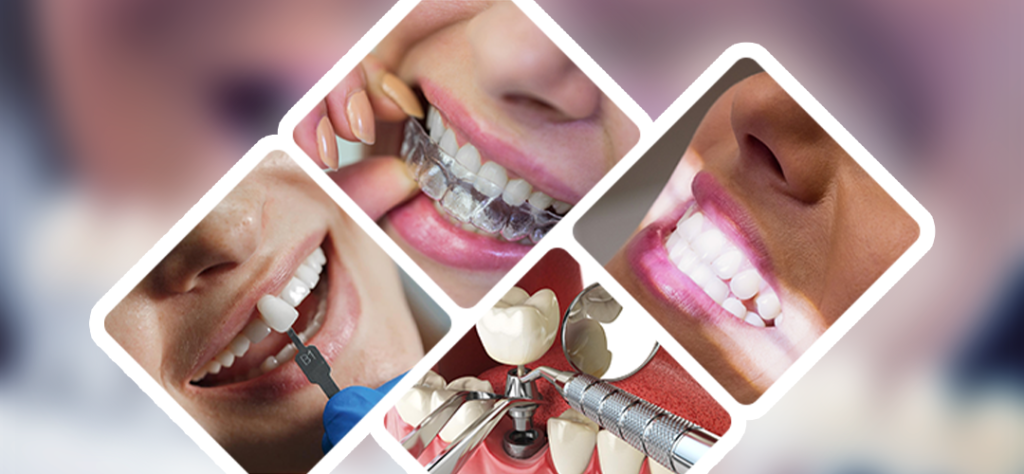
Table of Contents Help Others Discover – Click to Share! Facebook Twitter LinkedIn Table of Contents A smile is often one of the most noticeable features of a person’s face. It can shape first impressions in social settings, at work, and with friends and family. Feeling confident about your smile can also support self-esteem and emotional wellbeing. However, concerns such as stained teeth, chipped enamel, gaps, or uneven teeth can make many people hesitant to smile freely. Today, cosmetic dentistry treatments offer a wide range of solutions designed to address these concerns while preserving or even improving oral function. From simple teeth whitening procedures to complete smile makeovers, modern cosmetic dentistry combines clinical expertise with advanced technology to help individuals achieve natural-looking, long-lasting results. Globally, about five million dental implants are placed annually, meaning nearly 13,700 people undergo implant procedures each day. Finding the right dental care has also become easier with Cellmaflex. Instead of making multiple phone calls or arranging appointments in person, patients can book online consultations with dental professionals, access their medical records, and locate nearby dentists, pharmacies, laboratories, and imaging centres through a single digital platform. This helps patients stay connected with their dental care throughout their treatment journey. This guide will outline what cosmetic dentistry is, why smile aesthetics matter, common cosmetic dental issues, causes of those issues, popular cosmetic dental procedures, how to keep your results long term, and how Cellmaflex makes your cosmetic dentistry journey more streamlined. Discover Your Perfect Smile What is Cosmetic Dentistry? Cosmetic dentistry is a dental specialty that aims to enhance how teeth, gums, and overall smile aesthetics look. Many procedures in this area are primarily cosmetic but can also improve oral function through repairing broken teeth, aligning teeth properly and providing balanced bites. Modern cosmetic dentistry treatments are highly personalised. Every smile is unique, so treatment plans are tailored according to an individual’s oral health, aesthetic goals, facial structure, and lifestyle. Some patients may only require professional teeth whitening, while others may benefit from veneers, bonding, clear aligners, or comprehensive smile makeovers. Before recommending treatment, the dentist will review the patient’s oral health, medical and dental history, and personal goals for the treatment. This helps ensure that any cosmetic dentistry plan is safe, appropriate, and aligned with the patient’s expectations. Cellmaflex allows patients to access their medical records securely before their consultation, helping dentists make well-informed decisions based on complete clinical information. Why Smile Aesthetics Matter A smile is more than just how it looks; often, a person’s smile is how they express their confidence, humour, and how they feel about themselves. For many people who do not like the way their smile looks, their social and professional self-confidence could be affected, as can their willingness to smile in photographs. Many individuals avoid smiling because of visible stains, chipped teeth, gaps, or uneven teeth. These concerns may seem minor clinically but can have a significant emotional impact. Cosmetic dentistry helps restore confidence by addressing these aesthetic concerns while maintaining healthy teeth and gums. A healthier-looking smile also encourages better oral hygiene habits. Patients who invest in their smiles are often more motivated to maintain regular brushing, flossing, and dental visits. Cellmaflex enables patients to book appointments for routine check-ups, find nearby dental clinics for subsequent treatment, and compile their dental records into one accessible resource that they can refer to at any time. Common Cosmetic Dental Concerns Many people seek cosmetic dental care because they are dissatisfied with one or more aspects of their smile. Common concerns include: Tooth discolouration caused by ageing or staining Chipped or cracked teeth following injury or wear Gaps between teeth Uneven or worn tooth edges Minor tooth misalignment Misshapen or unusually sized teeth Uneven gum lines Missing teeth affecting smile appearance Modern cosmetic dentistry treatments can successfully address one or several of these concerns, often combining multiple procedures to create balanced, natural-looking results. What Causes Cosmetic Dental Concerns? Cosmetic dental imperfections can develop for many reasons, and some appear gradually over time. Understanding the cause of a concern helps dentists recommend the most appropriate treatment and aftercare plan. Ageing Natural ageing causes enamel to wear away, allowing the darker inner dentine to become more visible. Teeth may also become shorter or develop minor cracks through years of chewing. Food and Beverage Staining Regular consumption of coffee, tea, red wine, soft drinks, and strongly coloured foods can gradually stain enamel, making teeth appear yellow or dull. Tobacco Use Smoking and other tobacco products are among the leading causes of stubborn tooth staining while also increasing the risk of gum disease and other oral health conditions. Dental Injuries Sports injuries, accidental falls, or biting hard objects can result in chipped, fractured, or broken teeth that affect both appearance and function. Natural Tooth Shape Some individuals naturally have teeth that are unevenly shaped, smaller than average, or spaced apart, making them suitable candidates for cosmetic enhancement. Teeth Grinding Grinding or clenching teeth, especially during sleep, gradually wears enamel and changes tooth shape over time. Poor Oral Hygiene Inadequate brushing and flossing contribute to plaque accumulation, staining, and gum problems that impact smile aesthetics. Medical Factors Certain medications, childhood illnesses, or developmental conditions can influence tooth colour, enamel formation, and overall appearance. Regular dental assessments, and easy appointment scheduling through Cellmaflex can help identify these issues early before they require more extensive treatment. Common Cosmetic Dentistry Treatments Modern cosmetic dentistry treatments include a variety of procedures depending on the individual’s goals and oral health requirements. Professional Teeth Whitening Professional whitening removes stubborn stains and brightens teeth safely under dental supervision. Unlike over-the-counter products, professional treatments deliver more predictable and longer-lasting results. Dental Veneers Thin porcelain or composite shells are bonded to the front surface of teeth to improve colour, shape, size, and symmetry. Veneers are commonly used to create dramatic smile transformations. Dental Bonding Composite resin is carefully applied and sculpted to repair chipped, cracked, or uneven teeth. Bonding is minimally invasive and often completed in a single appointment. Clear Aligners Clear aligners gradually move teeth into improved alignment without the appearance of traditional braces. They are particularly suitable for mild to moderate orthodontic concerns. Cosmetic Crowns Dental crowns restore severely damaged or weakened teeth while matching the colour and appearance of surrounding natural teeth. Gum Contouring Laser or surgical gum contouring reshapes uneven gum lines to create a more balanced smile. Tooth-Coloured Restorations Modern fillings and restorations closely resemble natural
RioMed Ltd Achieves Annual Re-Certification – Cyber Essentials PLUS !

Table of Contents Help Others Discover – Click to Share! Facebook Twitter LinkedIn Table of Contents RioMed is proud to announce the successful attainment of the UK government-backed Cyber Essentials PLUS re-certification. This annual milestone proves that our cybersecurity measures have been independently tested and verified through a hands-on audit. It underscores our unwavering commitment to protecting digital assets through regular vulnerability scanning, monitoring & control, to maintain the highest standards of information security. This accomplishment is the result of meticulous planning, disciplined execution, and seamless management of the audit process from start to finish. We sincerely thank our internal auditors, network infrastructure and security teams, and top management for their dedication and timely guidance throughout this journey. We also extend our appreciation to our external audit partners for their rigorous evaluation and expertise, which ensured the integrity of the certification process. Cyber Essentials not only validates the strength of our security framework but also reinforces the trust our customers place in us. It is a testament to the collaborative spirit, professionalism, and innovation that define RioMed. Looking ahead, we continue to reinforce our position as a trusted healthcare software provider, adhering to cybersecurity excellence and delivering secure, future-ready solutions to our customers worldwide. We are passionate about enhancing the healthcare IT, and its vital role in the future of healthcare. Visit www.riomed.com or call +44 02380 277 044 to learn how our solutions can transform your organisation. Book a free demo to experience the change! Book a Free Demo Recent Blogs
RioMed Retains Triple ISO Certification Following Successful Corporate Audits

Table of Contents Help Others Discover – Click to Share! Facebook Twitter LinkedIn Table of Contents RioMed has successfully completed its most recent set of corporate-level ISO audits achieving certified compliance for all audited standards with zero non-conformances for another year. The audit was done for each of the following internationally recognised management systems that demonstrate RioMed’s commitment to quality, security and responsible business practices: ISO 9001:2015 – Quality Management System (QMS) – PASS ISO 14001:2015 – Environmental Management System (EMS) – PASS ISO 27001:2022 – Information Security Management System (ISMS) – PASS RioMed has shown ongoing dedication to high quality across our entire operation, product and service portfolio, by sustaining these certifications. The successful results from these audits demonstrate both the effectiveness of our established processes in achieving results and our ongoing commitment to continual improvement, environmental sustainability and information security. As a trusted provider of healthcare technology solutions, RioMed acknowledges that having solid governance processes in place is essential for delivering support to healthcare organisations, partners, and patients. The achievement of successful audits on an annual basis is another example of the company’s focus on operational excellence and ability to meet internationally accepted standards. Commenting on the achievement, Mario Mohammed, Managing Director of RioMed, said: This latest achievement further strengthens RioMed’s position as a trusted technology partner for healthcare providers worldwide and demonstrates the organisation’s ongoing commitment to meeting and exceeding internationally recognised standards. About RioMed RioMed is your trusted partner in digital healthcare. Our cloud-based all-in-one EPR/EMR solution – Cellma, enhances the efficiency, quality and safety of patient’s information and smoothens the management and operations of healthcare organisations, both private and public. Alongside this, RioMed has developed a comprehensive Cellma ecosystem, a connected suite of digital healthcare solutions designed to support end-to-end clinical and operational workflows across diverse care settings. At the core of this ecosystem is CellmaEHR, supported by a range of specialised solutions including Cellmaflex, CellmaConnect, CellmaCare, CellmaPatientPortal, CellmaAnalytics, CellmaPMS, and CellmaPharmacy. Together, these solutions are designed to address the evolving needs of healthcare providers, from large hospitals to small clinics, pharmacies, and diagnostic centres across the UK and worldwide. We are passionate about enhancing the healthcare IT, and its vital role in the future of healthcare. Visit www.riomed.com or call +44 02380 277 044 to learn how our solutions can transform your organisation. Book a free demo to experience the change! Book a Free Demo Recent Blogs Let’s transform healthcare together. Speak with RioMed for a tailored solution. Get in Touch
How Comprehensive Dental Care Supports Better Overall Health

Table of Contents Help Others Discover – Click to Share! Facebook Twitter LinkedIn Table of Contents Most people will only go to the dentist when they have pain or a dental emergency. Comprehensive dental care is a proactive way to keep you healthy for life by keeping your teeth, gums, and tissues in your mouth healthy. Prevention, early detection, treatment and follow-up through your entire lifetime improve the health of your mouth instead of just handling problems as they come around. Comprehensive dental care includes regular dental check-ups, professional cleanings, screenings for oral cancer, diagnostic assessments, preventive treatments, restorative treatments and teaching of good habits for maintaining good oral hygiene. By identifying small problems early on, dental professionals can often prevent them from becoming major or expensive problems later on. Cellmaflex supports the proactive approach by allowing patients to locate dentists in their area, schedule appointments online without needing to call, and access their medical records 24/7 from anywhere. All of this help patients to keep in contact with their providers and ensure they have regular dental care. Why Oral Health Matters Oral health affects far more than your teeth and gums. Poor oral health can lead to pain, infection, difficulty eating, speaking, and reduced self-esteem. If not taken care of, dental problems can create challenges with daily life; hindering the ability to complete normal activities and lowering one’s quality of life. Studies have also shown that poor oral health is linked to many chronic illnesses such as diabetes and heart disease. Inflammation from gum disease can adversely affect overall health. Thus, preventive dentistry is a vital component of good overall well-being. Healthy teeth and gums positively impact nutrition, communication, and self-esteem. Therefore, maintaining good oral health through preventive care is an important part of preventing illnesses. Common Dental Conditions Several dental conditions affect people throughout their lives, including: Tooth Decay & Cavities: There are bacteria in your mouth that secrete acids. The acid attacks your tooth’s enamel and eventually creates holes (cavities) in your teeth and can cause infections if not caught early. Gum Disease: Gingivitis is associated with redness, swelling, and bleeding gums (gums that bleed when you brush your teeth). If it goes untreated, it can turn into periodontitis, where you can lose bone and possibly lose teeth altogether. Sensitive Teeth: Sensitivity to food temperatures (hot/cold) or foods that are sweet or acid can be a sign that the enamel is worn down, gum tissue has receded from your teeth, dental decay has taken place, or you have cracked teeth. Build-Up of Plaque/Tartar: When there is plaque on your teeth and you don’t have the plaque removed it can build up and become hard (tartar) which causes gum disease. Grinding Teeth/Jaw Pain: Bruxism can lead to tooth wear, headaches, jaw discomfort, and temporomandibular joint (TMJ) disorders. Other Common Conditions: Oral infections, dry mouth, tooth loss, and abnormal oral tissue changes, can all affect long-term oral health. What Causes Dental Problems? Most dental problems develop due to a combination of lifestyle factors and oral hygiene habits. Common causes include: Inadequate brushing and flossing Frequent consumption of sugary foods and drinks Smoking and tobacco use Excessive alcohol consumption Poor nutrition Stress-related teeth grinding Certain medications that reduce saliva production Chronic health conditions such as diabetes Irregular dental visits and delayed treatment Understanding these risk factors can help individuals take preventive action before problems develop. Key Components of Comprehensive Dental Care Comprehensive dental care consists of several key services that work together to ensure optimum oral health for all patients. Routine Dental Checkups Regular check-ups help detect tooth decay, gum disease, infections, and other concerns before they become more serious. Professional Cleanings Professional cleaning is one of the most effective ways to remove plaque and tartar from teeth that cannot be removed by brushing alone. Oral Cancer Screenings Oral cancer screening helps to identify abnormal tissue changes and allow for early diagnosis of oral cancer. Diagnostic Evaluations / Assessments The use of dental X-rays and other diagnostic tests helps the dentist to identify hidden problems that may not be evident during a routine examination. Preventive Treatments Fluoride applications and dental sealants provide additional protection against tooth decay. Treatment and Follow-Up Care Prompt treatment of cavities, gum disease, and other conditions helps preserve oral health while follow-up appointments ensure long-term stability. Patient Education and Monitoring Dentists provide guidance on oral hygiene, diet, and lifestyle choices while monitoring changes over time to support ongoing health. Cellmaflex makes it easier to manage appointments, access treatment records, and stay engaged with your dental care journey. Prevention: How to Maintain Healthy Teeth and Gums Preventive care remains the foundation of good oral health. To protect your teeth and gums: Brush twice daily with fluoride toothpaste Floss every day Limit sugary foods and beverages Drink plenty of water Eat a balanced diet rich in vitamins and minerals Avoid smoking and tobacco products Wear a mouthguard during contact sports Attend regular dental check-ups and professional cleanings Seek professional advice if you notice any changes in your oral health Consistent preventive habits can significantly reduce the risk of future dental problems. Signs You Should See a Dentist Early intervention often prevents more complex treatment. Schedule a dental consultation if you experience: Persistent tooth pain Ongoing tooth sensitivity Bleeding or swollen gums Loose teeth Difficulty chewing Jaw pain or clicking Persistent bad breath Mouth sores that do not heal Changes in tooth colour or appearance Dry mouth or unusual oral discomfort Using Cellmaflex, patients can quickly locate nearby dentists and arrange appointments online when these symptoms arise. Long-Term Oral Health Management Obtaining good oral health involves a lifelong commitment. Through routine dental examinations, professionals are able to check your oral health status and help determine if changes are taking place in your mouth or if there are any issues that require treatment. Preventative care, lifestyle choices that are conducive to good health and following a good oral hygiene program can help to minimize the chances of future complications of oral health and, overall, improve the quality of your life. Generally, the benefits of early treatment can include fewer treatment procedures (less invasive), improved clinical outcomes (more effective) and reduced economic impact (less costly) than delayed intervention. Cellmaflex supports your long-term oral health by providing the ability for you to have access to your medical history, view your next scheduled appointment, locate the nearest dental service and manage your follow-up appointments all from one source. Take a proactive approach to your oral health today. Book your next dental consultation through Cellmaflex and support a healthier smile for years to come. Register