

Dental Problems by Age: Common Oral Health Issues at Every Life Stage

Table of Contents Help Others Discover – Click to Share! Facebook Twitter LinkedIn Table of Contents A beautiful smile is not only about how you look! Having good oral health is necessary for your ability to eat and communicate, which is contributes to self-confidence and a general sense of well-being. That said, our dental needs change during our lifetime. There are different types of dental problems at each stage of life (childhood, teen, adult, and senior), therefore receiving age-specific dental care is important. Understanding dental problems by age can help individuals take preventive measures and seek treatment before minor concerns develop into serious complications. Oral healthcare is now much easier with Cellmaflex. Patients can make online appointment instead of calling, have access to medical records whenever they need and be able to locate the nearest doctors, pharmacies, laboratories, and imaging centres in an online interface. With this, routine dental checkups or current treatments will not be left behind. In this blog we will be discussing on: how oral health changes over the years, the common dental problems affecting each age group, The causes of these problems, what to look out for, practical methods to keep your mouth healthy and of course how Cellmaflex will be contributing on accessibility and affordability in dental care. Dental Health Across the Ages Oral health challenges evolve as we age. According to the World Health Organisation (WHO), oral diseases affect approximately 3.7 billion people worldwide, making them among the most common health conditions globally. Untreated tooth decay in permanent teeth is the world’s most prevalent health condition, while severe gum disease affects around 1 billion people and is a leading cause of tooth loss. Additionally, about 23% of adults aged 60 years and older experience complete tooth loss, highlighting the impact of age-related oral health issues. These statistics demonstrate how dental problems by age can affect individuals throughout every stage of life, reinforcing the importance of preventive care and regular dental check-ups. Children Children commonly experience: Cavities and tooth decay Developing tooth alignment issues Poor brushing habits Early enamel damage from sugary foods and drinks Establishing good oral hygiene habits early can help prevent future dental problems. Teenagers and Young Adults During adolescence and early adulthood, common concerns include: Braces maintenance and discomfort Wisdom tooth eruption and impaction problems Sports-related dental injuries Poor oral hygiene practices Regular dental visits are important to monitor oral development and address issues early. Adults Adults frequently experience: Gum disease Tooth sensitivity Plaque and tartar buildup Stress-related teeth grinding (bruxism) Lifestyle factors such as smoking, diet, and stress can significantly impact oral health. Elderly People Elderly people have many oral health problems: Tooth loss Dry mouth Gums recede Roots decay And they have issues related to dentures. By knowing the common oral health problems experienced by different age groups, you can adapt your oral hygiene routine as your body changes. Age Group Oral Health Problems Children & Young Adults Children and young adults generally have a problem with decay (cavities) due to the high sugar intake and the lack of brushing teeth adequately after they eat. Young Adults Young adults often need braces and may also have issues related to their wisdom teeth. Impacted wisdom teeth can become infected and/or cause pain. Adults More adults are losing teeth due to gum disease and other reason. In addition, sensitivity and grinding their teeth are common problems for adults that make them uncomfortable and/or affect how they eat and speak. Older Adults The majority of older adults have at least 1 of the following common problems: losing teeth, dry mouth, or receding gums will increase and will result in bacterial growth and damage to their teeth. Any Age Some conditions can affect everyone, including: Bad breath Plaque buildup Oral infections Mouth sores Many dental problems by age can affect eating, speaking, confidence, and overall health if left untreated. Why Oral Health Awareness is Important Although many common dental issues begin with minimal signs, early treatment can reduce the chances of having to undergo future invasive treatment due to severe complications of untreated dental problems. In addition, good oral hygiene can also help to prevent serious illness and complications associated with diseases such as heart disease, diabetes, and respiratory infection. Regular visits to the dentist not only identify problems early on but also encourage people to develop good long-term health habits. The knowledge of dental problems over time allows each individual to make educated choices regarding his or her own oral health. Cellmaflex supports preventive care by making it easy to schedule appointments and access healthcare information whenever needed. What Causes Common Dental Problems? Several factors contribute to oral health issues, including: Poor brushing and flossing habits Frequent consumption of sugary foods and drinks Tobacco use and smoking Stress-related grinding or clenching Natural aging and wear of teeth and gums Certain medications and medical conditions Irregular dental visits These factors contribute to many dental problems by age and can significantly increase the risk of tooth decay and gum disease. Prevention: How to Maintain Healthy Teeth and Gums at Every Age Maintaining oral health requires consistent care and healthy lifestyle choices. Key Prevention Tips Brush teeth twice daily using fluoride toothpaste Floss regularly Limit sugary foods and drinks Attend regular dental check-ups and cleanings Wear mouthguards during sports activities Encourage healthy oral hygiene habits in children Avoid smoking and tobacco products Stay hydrated and maintain a balanced diet Monitor for pain, bleeding, swelling, or sensitivity Following these practices can significantly reduce the risk of dental problems by age. Cellmaflex can help patients stay consistent with preventive care by providing convenient appointment booking and access to healthcare services. Signs You Should See a Dentist Seek professional dental care if you experience: Persistent tooth pain or sensitivity Bleeding or swollen gums Difficulty chewing or jaw discomfort Loose teeth or receding gums Persistent bad breath Tooth discoloration or visible decay Dry mouth or unexplained changes in oral health Early assessment often leads to easier and more effective treatment outcomes. Treatment and Long-Term Oral Care Treatment depends on the type and severity of the dental condition. Common treatments include: Professional cleanings Fillings Orthodontic treatment Root canal therapy Crowns and bridges Dentures Gum disease treatment Many dental problems by age are easier and less costly to treat when identified early. Long-term oral health depends on regular dental visits, good home care practices, and healthy lifestyle habits. How Cellmaflex Can Help Maintaining oral health is easier when healthcare services are accessible. Cellmaflex
Acute Care Bed Management and Communication | Cellma

Table of Contents Help Others Discover – Click to Share! Facebook Twitter LinkedIn Table of Contents Numbers provide evidence of the pressure NHS hospitals are under. An analysis shows that bed occupancy continues to remain high with the current level at 94.2%, which is well above the safe threshold. As of April 2026, there are an average of 13,032 patients in a hospital that would be medically fit for discharge. Emergency care continues to operate under strain. In April 2026, only 76.9% of A&E patients were seen within four hours. Communication issues account for 1 out of every 4 patient safety incidents, resulting in inappropriate risks that ultimately lead to failures in patient performance; that impact staff productivity and the overall operational performance of the healthcare system. These challenges highlight a growing reality: acute care providers need more than standalone digital systems. They need advanced, connected electronic health records (EHRs) capable of bringing together bed management, patient flow, clinical communication, discharge planning, interoperability, and operational intelligence within a single ecosystem. Aligning with the NHS 10-Year Plan Through Connected Care The NHS 10-Year Plan provides a clear vision of how we will deliver healthcare: through an evolution from analogue to digital with a single patient record in a single location (for all care settings). A large part of this strategy is to focus on providing care closer to home by using both virtual wards and neighbourhood health centres, thereby reducing avoidable hospital admissions and facilitate integrated community-based care delivery. For the vision to succeed, there must be collaboration between hospitals, community services, virtual wards, primary care providers and neighbourhood care centres as a unified ecosystem rather than individual entities. Consequently, seamless data-sharing, real-time communication and coordinated/managed patient care must occur at all points on the care continuum. This is where Cellma excels. Cellma provides a fully integrated healthcare ecosystem that connects acute hospitals, community services, mental health providers, virtual wards, neighbourhood care centres, and primary care networks through a unified EHR platform. By connecting bed management systems with clinical communication workflows, Cellma helps healthcare organisations support the NHS’s digital transformation goals while improving patient flow and care coordination. Why Bed Management and Clinical Communication Must Work Together Many healthcare organisations treat bed management and clinical communication as separate operational functions. In reality, they are deeply interconnected. A patient’s journey through acute care depends on timely information sharing. When clinicians, bed managers, discharge coordinators, and community care teams have access to the same real-time information, patient flow becomes proactive rather than reactive. Communication breakdowns often create significant operational consequences: Delayed discharge summaries prevent safe patient transfers. Incomplete handovers increase clinical risk. Poor visibility of bed availability creates admission bottlenecks. Fragmented systems delay referrals and specialist reviews. Lack of communication between acute and community services prolongs hospital stays. Missing patient information contributes to duplicated work and delayed decisions. The result is longer lengths of stay, higher occupancy levels, increased waiting times, and growing pressure on clinical teams. Cellma addresses these challenges by creating a connected environment where patient information flows seamlessly between departments, facilities, and care settings. Real-Time Bed Management for Better Patient Flow Effective bed management is about much more than tracking available beds. Healthcare leaders require real-time visibility into patient status, admission demand, discharge readiness, ward capacity, escalation requirements, and operational performance. Without this visibility, hospitals often struggle to balance capacity against demand. Cellma’s Bed Management capabilities provide: Real-time bed availability monitoring Live patient flow tracking Admission and transfer management Escalation and capacity planning tools Length of stay monitoring Discharge readiness visibility Operational dashboards and reporting Integrated bed management is a benefit to clinicians and operational teams, helping them to use a single source of truth that facilitates better decision making and helps to reduce bottlenecks throughout the system. As such, the importance of this cannot be overstated whereby as patients progress from acute care, ambulatory services, virtual wards to neighbourhood care centres, the challenge of maintaining consistent clinical information becomes greater. Quality of Clinical Communications within Acute Care Studies show the damaging effects of poor clinical communication on patient safety and the operational performance of a facility. Poor communication leads to patient harm, delays in treatment, delayed discharges, and longer lengths of stay. Additionally, one of the most crucial points in the patient experience is during a handover, especially when information is transferred from one system to another. With our integrated clinical communication technology, we are able to mitigate these challenges with tools designed to help address modern healthcare environments. Key capabilities include: Digital Clinical Handovers Structured handover templates ensure critical patient information is communicated consistently between teams, departments, and shifts. Real-Time Alerts and Notifications Clinical teams receive timely updates regarding patient status, discharge readiness, referrals, test results, and care pathway changes. Shared Patient Records All authorised users access a single longitudinal patient record, reducing duplication and ensuring information remains accurate and accessible. Care Coordination Workflows Integrated workflows support collaboration between acute teams, virtual wards, community providers, and neighbourhood care centres. Together, these capabilities help reduce communication gaps while supporting safer and more coordinated care delivery. Interoperability: The Foundation of Connected Healthcare Healthcare organisations increasingly depend on information sharing across multiple providers and systems. Without interoperability, hospitals face fragmented data, delayed decisions, duplicated effort, and poor continuity of care. Cellma is built around industry-leading interoperability standards, supporting seamless data exchange across the healthcare ecosystem. HL7 and FHIR Integration Cellma supports HL7 and FHIR standards, enabling secure communication between healthcare applications and providers. NHS Integration Support Cellma integrates with key NHS services, including: NHS Spine Personal Demographics Service (PDS) Electronic Referral Service (eRS) CIS2 NHS App connectivity National interoperability frameworks Clinical Terminology Standards Cellma supports: SNOMED CT dm+d NHS clinical coding requirements These integrations help ensure accurate and reliable information sharing between acute care, community services, mental health providers, virtual wards, neighbourhood care centres, and external partner organisations. Supporting Virtual Wards and Neighbourhood Health Centres As healthcare delivery expands beyond hospital walls, patient information must travel with the patient. Virtual wards and neighbourhood health centres are becoming central to NHS service transformation, allowing patients to receive care in more appropriate settings while reducing demand on hospital resources. Cellma supports this transition by: Connecting hospital and community teams Providing shared access to patient records Supporting remote monitoring workflows Enabling coordinated discharge planning Facilitating referrals across care settings Supporting continuity of care after discharge This connected approach helps ensure patients experience seamless transitions between acute care, virtual wards, neighbourhood care centres, and community services. Security, Privacy, Governance, and Compliance As
Automation in EHR: Connected Care with Cellma

Table of Contents Help Others Discover – Click to Share! Facebook Twitter LinkedIn Table of Contents The NHS is rapidly moving toward digitally connected healthcare, but the pressure on healthcare systems continues to grow. NHS IT spending reached £4.1 billion in 2025, while £1.9 billion has already been invested into frontline digitisation programmes to strengthen EPR adoption across trusts. Despite this, only 20% of NHS providers are considered digitally mature. This is precisely why automation within the EHR environment is critical to all modern health systems today. Health organisations are looking for more than simply digital records – they are looking for an integrated ecosystem with transparency into operations, smart workflows, safe interoperability, AI clinical support and truly collaborative care delivery. Considering the NHS’s 10-year plan, which aims for Al powered hospitals, virtual wards, neighbourhood care centres, connected care delivery and integrated patient pathways, the range and utility of EHR automation will only increase across all sectors of the healthcare landscape from acute, community, mental health to virtual care. Cellma aligns closely with this NHS transformation strategy by delivering an integrated EHR ecosystem designed for intelligent healthcare delivery. From AI-ready workflows and predictive patient insights to secure interoperability and real-time care coordination, Cellma supports providers in creating connected healthcare systems built for the future. Why Automation in EHR Is Becoming Critical Health systems are facing more patients, labour shortages, operational inefficiencies, and the need for rapid access to care. Existing fragmented solutions typically cause delays from referrals to discharge planning, to triage to scheduling, to diagnostics to care coordination. Automation in EHR helps health systems streamline processes by connecting workflows, automating administrative tasks, increasing data visibility and accelerating clinical decision-making. The NHS has already seen measurable benefits from automation and AI-driven systems: AI-powered stroke pathways are helping accelerate treatment decisions. AI documentation tools are giving clinicians more time with patients. Intelligent theatre scheduling is improving operational efficiency and patient flow. How Cellma Supports Intelligent Healthcare Delivery Cellma delivers a connected healthcare ecosystem designed to support automation in EHR across every stage of the patient journey. Intelligent Workflow Automation Healthcare teams often lose valuable time managing fragmented administrative tasks manually. Cellma enables intelligent workflows for automated referrals, appointments, discharge management, patient flow tracking, documentation assistance and operations coordination. This helps healthcare providers to alleviate the burden on administrators and improve workflow across different departments and care settings. AI-Ready Clinical Decision Support As healthcare organisations adopt AI-driven tools, connected EHR systems become critical for ensuring accurate and secure clinical support. Cellma supports: AI-based drug interaction prompts Ambient voice technology Clinical decision support tools Predictive patient data visibility Real-time patient information sharing Safer prescribing workflows These capabilities help clinicians make faster and more informed decisions while reducing risks associated with fragmented patient data. Supporting Virtual Wards and Neighbourhood Care Centres One key element highlighted in the NHS 10-Year Health Plan is the move towards neighbourhood care centres and virtual wards to relieve pressure on acute services and to manage care within the community closer to home. Automation in EHR plays a major role in enabling these models of care. Cellma supports virtual care delivery through connected patient records, remote access to patient information, coordinated multidisciplinary workflows, and secure interoperability between hospitals, community services, mental health teams, and virtual care providers. For neighbourhood care centres, Cellma allows providers to manage diagnostics, referrals, appointments, community-based care, and follow up care through one consolidated digital system. This increases continuity of care and removes fragmenting elements between care settings. Interoperability: The Foundation of Connected Healthcare One of the key challenges in the delivery of modern, efficient care is that different systems do not work together effectively. Interoperability ensures there are no delayed referrals, no incomplete patient histories, no duplicate administrative effort, and no non-integrated care pathways. Through its advanced interoperability, Cellma facilitates automated EHR management by connecting systems and their data across the care system securely. Cellma supports: HL7 and FHIR-ready interoperability SNOMED CT and dm+d standards NHS Spine integration support CIS2, PDS, and eRS integration capabilities Secure APIs and encrypted data exchange Real-time interoperability across acute, community, mental health, and virtual care settings This gives healthcare professionals the ability to obtain linked patient details while increasing operational visibility and coordination throughout care delivery. Security, Governance and Privacy of Data in Automation of EHR As the Healthcare Automation sector continues to grow, cyber security and governance become imperative to meet regulatory compliance for these systems. AI Integrated healthcare systems will require secure data exchanges with role-based access, auditability and robust information governance compliance. Cellma supports secure healthcare delivery through: GDPR-compliant data handling Role-based access controls Audit trails and activity monitoring Secure information exchange ISO 27001-aligned information security processes DSPT and Cyber Essentials Plus alignment Tackling Acute Care Challenges Through Automation in EHR Acute care providers often face operational bottlenecks across emergency pathways, diagnostics, discharge planning, theatre scheduling, and patient flow management. Cellma helps tackle these challenges through: Connected patient records Real-time operational visibility Intelligent scheduling workflows Automated coordination processes AI-ready triage support Predictive care insights By reducing fragmentation and improving workflow efficiency, healthcare providers can support faster decisions, safer care delivery, and better patient outcomes. The Future of Healthcare Is Connected and Intelligent Future of healthcare is based around connected digital networks, supporting AI, automation, predictive treatment, interoperability, and secure data sharing in every setting within healthcare. Automation in EHR is becoming the backbone of this transformation. As healthcare systems transition toward AI- enabled hospitals, virtual wards, neighbourhood care centres and integrated care pathways, organisations require the technologies platforms to enable efficiency and care coordination. Cellma delivers a unified healthcare ecosystem built for modern healthcare demands, connecting EHRs, intelligent workflows, automation, interoperability, clinical decision support, and secure real-time data sharing into one connected platform. Book a Free Demo Recent Blogs Let’s transform healthcare together. Speak with RioMed for a tailored solution. Get in Touch FAQs
Oral Cancer Symptoms: Early Warning Signs, Risk Factors & Care

Table of Contents Help Others Discover – Click to Share! Facebook Twitter LinkedIn Table of Contents Oral health is about much more than maintaining healthy teeth and gums. Changes inside the mouth can sometimes indicate serious underlying conditions, including oral cancer. This disease can affect the lips, tongue, gums, cheeks, floor of the mouth, roof of the mouth, and throat. Unfortunately, many people overlook early oral cancer symptoms because they are often painless and easy to dismiss. Early diagnosis plays a critical role in improving treatment outcomes and recovery. Taking charge of your oral health has become easier with Cellmaflex. Patients can book online appointments without making phone calls, access their medical records anytime and anywhere, and connect with healthcare professionals conveniently. Whether you need to find nearby doctors, pharmacies, laboratories, or imaging centres, Cellmaflex provides a simple way to manage your healthcare journey from one platform. In this comprehensive guide, we will explore what oral cancer is, the most common oral cancer symptoms, why awareness matters, key risk factors, prevention strategies, treatment options, and when to seek professional help. We will also discuss how Cellmaflex can support individuals in accessing timely healthcare services and maintaining their oral health. What is Oral Cancer? Oral cancer is a disease that causes the growth of abnormal cells in the oral cavity and pharynx, occurring on the tongue, lips, gums, inner cheek, roof and floor of mouth. In the early stages, oral cancer usually presents itself as a sore, lump or patch in the mouth that does not heal. This often seems to be a harmless change, which causes cases to be diagnosed at late stages of the disease. Oral cancer affects nearly 390,000 people globally each year, causing over 188,000 deaths annually. Survival remains low because more than half of all cases are diagnosed at an advanced stage, dropping the 5-year survival rate below 50%. In the Caribbean, the outlook is worsening – oral cancer incidence is rising across at least 10 countries in the Latin America and Caribbean region, with increasing mortality recorded in 6 of them – driven by tobacco, alcohol, and HPV, and compounded by limited access to early diagnosis. Common Oral Cancer Symptoms Several warning signs may indicate oral cancer, especially when they persist for more than two weeks: Mouth sores that do not heal Red or white patches inside the mouth Persistent mouth pain or irritation Difficulty chewing, swallowing, or speaking Lumps or thickened areas in the mouth or neck Loose teeth without an obvious cause Unexplained bleeding in the mouth Persistent sore throat or hoarseness While these symptoms do not always indicate cancer, persistent oral cancer symptoms should always be assessed by a healthcare professional. Why Oral Cancer Awareness Matters One of the most effective methods for combating oral cancer is raising awareness. Cases identified at an earlier stage tend to lead to less extensive treatment, a higher chance of full recovery, and less possibility of the cancer having metastasised. Several early symptoms of oral cancer can be deceivingly subtle, causing patients to not seek treatment until it becomes more problematic. Early detection through routine medical or dental check-ups would help ensure potentially detrimental changes are detected before more complications arise. Utilising Cellmaflex allows patients to more easily schedule check-ups and continue to have access to their medical records so they may receive continued care. What Causes Oral Cancer? Several factors can increase the risk of developing oral cancer: Tobacco Use: Smoking and chewing tobacco expose oral tissues to harmful carcinogens and remain among the leading causes of oral cancer. Heavy Alcohol Consumption: Excessive alcohol use can damage oral tissues and increase cancer risk, especially when combined with tobacco use. HPV Infection: Certain strains of Human Papillomavirus (HPV), particularly HPV-16, are associated with cancers of the mouth and throat. Sun Exposure: Excessive exposure to ultraviolet radiation can increase the risk of lip cancer. Poor Oral Health: Chronic irritation, poor oral hygiene, and untreated dental issues may contribute to long-term tissue damage. Family History and Weakened Immunity: Genetic predisposition and compromised immune function can also increase susceptibility. Prevention: How to Reduce Your Risk Although not all cases can be prevented, healthy lifestyle choices can significantly reduce risk. Avoid Tobacco Products – Stopping smoking and chewing tobacco is one of the most effective preventive measures. Limit Alcohol Consumption – Moderating alcohol intake can help protect oral tissues. Maintain Good Oral Hygiene – Brushing, flossing, and regular dental visits support early detection and overall oral health. Eat a Nutritious Diet – A diet rich in fruits and vegetables provides antioxidants that support cellular health. Protect Your Lips – Use lip balm with sun protection when spending time outdoors. Attend Regular Check-Ups – Routine examinations help detect oral cancer symptoms and abnormal tissue changes at an early stage. Cellmaflex makes preventive healthcare more convenient by helping users find healthcare professionals and schedule appointments online. When Should You See a Doctor or Dentist? Seek professional advice if you experience: Mouth sores lasting longer than two weeks Persistent pain or numbness Difficulty swallowing or speaking Swelling or lumps in the mouth or neck Unexplained bleeding Loose teeth Voice changes or ongoing hoarseness Persistent possible oral cancer symptoms should never be ignored, even if they seem minor. Treatment and Recovery Treatment of confirmed oral cancer depends on the location and stage of the cancer. Common treatment approaches include – Surgery to remove the tumour Radiation therapy Chemotherapy Targeted therapies and immunotherapy in selected cases When diagnosed early, oral cancer is more manageable and associated with better outcomes. Recovery typically involves regular follow-up appointments, lifestyle changes, and ongoing monitoring. Cellmaflex supports recovery by enabling patients to book follow-up visits, access healthcare records, and connect with healthcare providers whenever needed. How Cellmaflex Can Help Cellmaflex helps individuals take control of their healthcare by offering: Online appointment booking without phone calls Access to medical records anytime and anywhere Easy scheduling of screenings and follow-up visits Access to nearby doctors and dental professionals Convenient location of pharmacies, laboratories, and imaging centres Better coordination of ongoing care Whether you are concerned about oral cancer symptoms or simply maintaining your oral health, Cellmaflex provides convenient access to the care you need. Spotting oral cancer symptoms early can prevent it from becoming a life-threatening condition, as these often begin with simple things that may easily go unnoticed. This highlights the need for routine oral checkups, and to visit a healthcare provider if any unusual things are noted. The
Cellma Oncology Information System for Modern Care

Table of Contents Help Others Discover – Click to Share! Facebook Twitter LinkedIn Table of Contents Operational pressure is increasing in NHS cancer services. By 2029, the UK is expected to have a 39% shortfall of consultant radiologists and a 19% shortfall of oncology consultants. Only 68% of histopathology tests are delivered within the NHS target timeframe compared to the target of 98%. More than 420,000 scans are already behind target timelines and nearly 90% of cancer centre leaders report treatment delays affecting patient pathways. Research also shows that even a one-month delay in treatment could increase the risk of cancer mortality by around 10%. Increased referrals, diagnostic delay, MDT pressure, staffing gaps and fragmentation in service delivery are revealing the imperative need for a forward-looking oncology information system that will support integrated, modern, cancer care. Aligned with the NHS 10-Year Health Plan, healthcare is increasingly shifting toward connected neighbourhood care centres, interoperable digital ecosystems, and virtual ward integration. Modern oncology pathways now require integrated radiology, pathology, genomics, PACS, referrals, survivorship planning, and remote monitoring within one connected infrastructure. This is where Cellma, an oncology information system supports healthcare organisations with integrated oncology workflows, interoperability, precision oncology readiness, real-time visibility, and connected patient pathways designed for modern NHS cancer services. Why Oncology Services Are Reaching Operational Limits Modern oncology depends on faster diagnostics, multidisciplinary collaboration, genomic-driven therapies, precision medicine, and coordinated care across acute, community, and virtual environments. However, many providers still rely on disconnected pathology systems, imaging platforms, and distorted oncology workflows. These fragmented systems slow treatment decisions, delay diagnoses, increase duplication, and create operational inefficiencies across the cancer pathway. The King’s Fund identifies major barriers limiting innovation-ready cancer services, including: Workforce shortages MDT inefficiencies Fragmented diagnostics systems Lack of interoperability Operational overload Disconnected healthcare data environments Without a connected oncology information system, healthcare organisations struggle to scale innovation, support AI adoption, or maintain efficient oncology workflows. The Growing Importance of Cellma – an Oncology Information System Cellma, an advanced oncology information system supports complete longitudinal cancer care, from early detection and diagnostics to survivorship planning and recurrence monitoring. Cellma supports: Chemotherapy and radiotherapy workflow management Immunotherapy pathway coordination Genomic sequencing and biomarker integration AI-assisted diagnostics readiness MDT coordination and collaboration Clinical trial workflow support Virtual ward integration Remote symptom monitoring Survivorship and palliative care pathways Built specifically for modern oncology operations, Cellma enables connected cancer care across hospitals, neighbourhood care centres, community oncology services, and virtual care environments. How Cellma Solves the Interoperability Crisis One of the biggest challenges in oncology today is fragmented healthcare infrastructure. Many providers still operate with disconnected: Pathology systems Radiology platforms Genomics tools MDT workflows Referral systems EHR environments This creates fragmented processes for both diagnosis and treatment coordination and lack of visibility. Cellma unifies diagnostics, MDT coordination, treatment workflows, patient records, and oncology operations within one connected ecosystem. Cellma supports integration across: Radiology systems and PACS Pathology and laboratory platforms Genomics and biomarker systems Referral and scheduling systems Patient portals Remote monitoring tools Community and virtual care environments This helps providers reduce duplication, accelerate treatment decisions, and support more connected cancer pathways. Cellma Supports Smarter MDT Coordination MDT meetings remain central to cancer care delivery, but increasing operational pressure is making traditional MDT models harder to sustain. Healthcare providers continue facing: Growing MDT preparation workloads Delayed oncology decisions Reduced clinical capacity Clinician burnout Operational inefficiencies Cellma helps simplify MDT coordination through integrated oncology visibility and connected collaboration workflows. Clinicians can access: Unified oncology patient records Integrated pathology and imaging data Real-time treatment histories Longitudinal cancer tracking Shared oncology documentation Connected multidisciplinary workflows Cellma also supports future-ready MDT optimisation through automated workflow coordination, integrated case visibility, virtual collaboration capabilities, and real-time oncology pathway management. Cellma Supports AI-Ready Oncology Infrastructure AI is rapidly reshaping cancer diagnostics, imaging, genomics, and precision medicine. However, disconnected systems often prevent healthcare organisations from scaling AI effectively. Cellma supports AI-ready oncology infrastructure through connected workflows, interoperable diagnostics integration, and operational visibility across cancer services. Cellma supports: AI-assisted imaging readiness Digital pathology integration Predictive oncology workflow support Precision medicine infrastructure Clinical decision support integration Clinical trial matching readiness By connecting diagnostics, MDT workflows, patient records, and oncology operations into one ecosystem, Cellma helps providers create the operational foundation required for scalable oncology innovation. Interoperability: The Foundation of Connected Oncology Care Modern oncology services often struggle with disconnected radiology, pathology, genomics, MDT, referral, and EHR systems that slow diagnostics and treatment coordination. Without interoperability, cancer pathways become fragmented, operational visibility decreases, and MDT collaboration becomes more difficult. Cellma supports: HL7 and FHIR-ready interoperability Integration with radiology, PACS, pathology, and laboratory systems Genomics and biomarker platform integration NHS Spine, CIS2, PDS, and eRS integration capabilities Secure APIs and encrypted data exchange Real-time interoperability across acute, community, and virtual oncology settings This enables healthcare professionals to access connected oncology records while supporting faster, more coordinated cancer care delivery. Security, Governance, and Data Privacy in Oncology Care Modern oncology systems manage highly sensitive patient, diagnostic, and genomics data, making strong security and governance essential. Cellma supports secure oncology care delivery through: GDPR-compliant data handling Role-based access controls Audit trails and activity monitoring Secure oncology data exchange ISO 27001-aligned security processes DSPT and Cyber Essentials Plus alignment This helps healthcare organisations maintain secure, compliant, and connected oncology operations across all care settings. Why Providers Need Cellma Cancer services remain under pressure due to growing referrals, diagnostic constraints, workforce pressures, MDT burden, and distorted pathways. With disconnected digital systems the provider faces longer cancer pathways, delayed treatment decisions and inefficiencies. Cellma helps providers: Coordinate diagnostics more effectively Support faster oncology workflows Improve MDT efficiency Reduce operational fragmentation Enhance clinician visibility Deliver connected patient journeys Support interoperability across healthcare ecosystems Build a Future-Ready Oncology Infrastructure with Cellma Digital documentation alone is not enough to power modern oncology. Modern oncology needs connected workflows, integrated diagnostics, interoperable systems, precision medicine ready technology and real-time oncology visibility. Cellma supports smarter, faster, and more connected cancer care delivery aligned with modern NHS transformation goals. Book your free Cellma demo today and explore how Cellma can support future connected oncology care. Book a Free Demo Recent Blogs Let’s transform healthcare together. Speak with RioMed for a tailored solution. Get in Touch FAQs
Oral Hygiene: Why Prevention Matters for a Healthy Smile and Body

Table of Contents Help Others Discover – Click to Share! Facebook Twitter LinkedIn Table of Contents Oral hygiene is very important for adults and for kids. Oral health impacts more than just your teeth. Your dental health affects your ability to eat, your ability to talk and your confidence, but it also impacts your health overall. In addition, when you have poor oral hygiene, you may experience pain and infection as well as gum disease; all of which can affect your overall health. The good news is that the majority of oral health issues can be prevented by establishing consistent daily habits, along with visiting your dentist regularly. Modern healthcare platforms like Cellmaflex also make dental care more convenient and accessible. Patients can book online appointments without phone calls, access medical records anytime and anywhere, and find nearby dentists, pharmacies, labs, and imaging centres easily. This blog explores what oral hygiene means, common oral health problems, causes of poor oral health, prevention tips, treatment options, and how Cellmaflex supports better dental care management. What is Oral Hygiene? Oral hygiene refers to the daily practices that keep the mouth, teeth, and gums clean and healthy. These include: Brushing teeth twice daily Flossing regularly Cleaning the tongue Using fluoride toothpaste Visiting the dentist every 6 months for routine check-ups Plaque on your teeth forms through the amalgamation of food and bacteria throughout the day. If plaque accumulates on teeth and is not properly removed, it has the potential to harden into tartar, which can then cause various forms of gum disease, cavities and bad breath. With Cellmaflex, patients can conveniently schedule dental appointments and access their health records digitally, helping them stay consistent with preventive care. Common Oral Health Problems Cavities (Tooth Decay) Tooth decay results when bacteria produce acids which erode the tooth enamel. If left untreated decay can cause pain, infection and damage to the tooth. Gum Disease Gum disease begins with gingivitis, causing swollen or bleeding gums. If untreated, it may progress to periodontitis, which can damage the supporting bone around teeth. Bad Breath Poor oral cleanliness, plaque buildup, and gum infections commonly contribute to persistent bad breath. Tooth Sensitivity Worn enamel or exposed tooth roots can cause discomfort when eating hot, cold, or sweet foods. Tooth Loss Severe untreated decay or gum disease may eventually result in tooth loss. Maintaining proper oral hygiene significantly lowers the risk of these conditions. Why Oral Hygiene is Important The practice of maintaining good oral hygiene keeps dental issues at bay and promotes a healthy quality of life. The advantages of having healthy teeth and gums go beyond simply how we chew and speak but provide essential social benefits, as well, such as confidence building. General oral health problems may also lead to complications related to other systemic health problems; research shows that oral health problems are associated with diabetes-related complications, heart disease, and longstanding chronic inflammation. By practicing preventive oral hygiene, you can avoid the cost and difficulty of requiring restorative dental treatment. Regular dental examinations identify issues before they can develop into serious oral health problems. Using the services of Cellmaflex, patients can easily schedule dental appointments and maintain contact with continued healthcare services. What Causes Poor Oral Health? Several factors contribute to dental problems, including: Inadequate brushing and flossing Frequent sugary foods and drinks Smoking and tobacco use Skipping dental visits Plaque and bacterial buildup Without proper care, bacteria continue damaging teeth and gums over time. Prevention: How to Protect Your Teeth and Gums Preventive care is the foundation of strong oral hygiene. Key prevention tips – Brush teeth twice daily using fluoride toothpaste Floss once daily Reduce sugary snacks and drinks Drink plenty of water Replace toothbrushes regularly Visit the dentist for routine cleanings and check-ups Patients using Cellmaflex can easily find nearby dental professionals, book appointments online, and manage follow-up care more efficiently. Signs You Should See a Dentist Seek professional dental care if you experience: Bleeding gums Persistent bad breath Tooth pain or sensitivity Loose teeth Swollen gums or mouth sores Early treatment often prevents more serious complications. Treatment and Recovery Most oral health conditions can be treated successfully when detected early. Common treatments include: Professional dental cleanings Fillings for cavities Deep cleaning for gum disease Root canal treatment or extractions in severe cases Long-term recovery depends heavily on maintaining good oral hygiene habits after treatment. With Cellmaflex, patients can manage appointments, access medical records, and coordinate ongoing care more conveniently. How Cellmaflex Can Help Cellmaflex supports patients throughout their dental care journey by offering: Easy online appointment booking Quick access to nearby dental professionals Access to medical records anytime and anywhere Convenient consultation scheduling Support for ongoing follow-up and care coordination Access to nearby pharmacies, labs, and imaging centres By improving healthcare accessibility, Cellmaflex encourages earlier dental intervention and preventive care. Maintaining oral hygiene is critical in maintaining good overall health both inside and out of the mouth. With consistent daily habits, a healthy lifestyle, and routine dental visits, potential dental issues can be prevented prior to them occurring (which can also lead to pain and high costs). Digital healthcare platforms, such as Cellmaflex, allow patients to schedule appointments, view their medical history, and stay connected to their dentist at anytime and anywhere. If you take care of your oral hygiene today, you will help ensure you have a good smile, confidence and well-being tomorrow. Register for Free Recent Blogs FAQs
Women Health Care in the Digital Era: How Cellma Supports Connected Care

Table of Contents Help Others Discover – Click to Share! Facebook Twitter LinkedIn Table of Contents Women’s health care is rapidly becoming a major NHS priority, driven by rising demand for faster diagnoses, connected pathways, and accountable care delivery. Gynaecology waiting lists have already reduced by more than 30,000 since June 2024, yet challenges remain severe. Endometriosis diagnosis delays can still reach nearly 10 years, while 39% of women identified mental health as a key healthcare priority in national surveys. The NHS has also announced a £1.5 million Femtech challenge fund to accelerate innovation in women’s health care. As digital-first care, community diagnostics, and patient-led services expand, providers need advanced EHR ecosystems that connect pathways, diagnostics, referrals, mental health, and patient engagement into one unified system. That is where Cellma delivers measurable value. Aligned with the NHS 10-Year Plan, Cellma supports connected, neighbourhood-based healthcare through integrated digital ecosystems, virtual ward integration, and coordinated care across neighbourhood care centres. Modern women’s healthcare now requires real-time collaboration between acute care, community diagnostics, specialist services, mental health teams, and remote monitoring environments. Through a Single Patient Record, integrated referrals, pathway-driven workflows, and secure interoperability, Cellma enables continuous, connected care across every stage of the patient journey. Why Women Health Care Requires Advanced Digital Ecosystems The renewed NHS Women’s Health Strategy is reshaping expectations around how healthcare systems respond to women’s experiences. Women’s voices are now influencing funding, accountability, and service improvement across the NHS. This means healthcare providers are expected not only to deliver treatment but also demonstrate measurable outcomes, coordinated pathways, and improved patient experiences. Women health care today requires: Integrated pathways across menstrual health, menopause, urogynaecology, and reproductive services Faster diagnosis and standardised treatment models Digital-first access through NHS Online and single referral systems Stronger mental and physical health integration Community-based diagnostics and specialist women’s health hubs Better patient engagement and feedback visibility Secure interoperability between healthcare systems and services Conventional disparate systems fail to meet these expectations. Unconnected records, duplicate administrative work, delayed referrals, and poor inter-departmental communication all contribute to operational inefficiencies that adversely impact patient care. Cellma eliminates these operational and clinical challenges by providing a fully integrated Electronic Health Record (EHR) ecosystem that is designed to facilitate the delivery of connected women’s health care. Cellma’s Integrated Women’s Health Care Ecosystem To meet the increasing complexity of modern women health care, Cellma delivers a fully integrated healthcare ecosystem connecting gynaecology, obstetrics, sexual health, mental health, community care, and digital services within one seamless platform. Through specialised solutions including Cellma’s Gynaecology EHR and Sexual Health EHR, healthcare providers can manage integrated pathways across reproductive health, menopause, menstrual health, contraception, STI management, chronic condition care, and patient engagement. Combined with clinical, operational, and patient management capabilities, Cellma enables coordinated, life-course women health care across acute, community, specialist, and virtual care settings. Integrated Clinical Pathways Cellma supports structured pathways for: Endometriosis management Menopause care Menstrual health services Urogynaecology Pain management Sexual health services Contraception and reproductive care Perinatal and postnatal services Integrated workflows help reduce delays between referrals, diagnostics, consultations, and treatment planning. With shared patient records across departments and care settings, clinicians gain better visibility into patient history, ongoing treatment plans, medications, imaging, pathology, and follow-up requirements. Supporting Mental Health Across the Full Life-Course Women’s mental health is no longer seen as a separate service area and has been integrated into all areas of women’s health care as a fundamental component. The majority of the NHS strategy focuses on joining up psychological support with physical care to assist women that are experiencing chronic pain illnesses and with aspects related to reproductive health and perinatal care. Cellma supports the above life-course model of care by linking mental health and physical health records together in one unified system or ecosystem. By doing so, clinicians can collaborate in creating coordinated interdisciplinary care plans that provide for safe communication, greater continuity of care and better patient outcomes. This becomes especially valuable in: Perinatal mental health support Chronic pain management Menopause-related psychological support Trauma-informed care pathways Community mental health follow-up services Digital-First Women Health Care Delivery Healthcare accessibility is becoming increasingly digital. NHS Online services, remote consultations, and community-led healthcare delivery models are changing how patients interact with providers. Cellma supports digital-first women health care through: Online patient engagement tools Referral portal integration Virtual ward integration Telehealth compatibility Remote follow-up workflows Community diagnostic coordination Patient feedback capture systems These capabilities help healthcare organisations expand services beyond traditional hospital environments while maintaining continuity, compliance, and operational visibility. Clinical Decision Support (CDS) To support safer and more proactive women health care delivery, Cellma also includes advanced Clinical Decision Support (CDS) capabilities embedded directly within clinical workflows. These tools help healthcare professionals make faster, evidence-based decisions while reducing clinical risk across acute, specialist, and community care settings. Cellma’s CDS capabilities include: Features High-risk pregnancy alerts Drug interaction warnings Sepsis alerts Safeguarding prompts NICE guideline integration Supporting Neighbourhood Care Centres and Community-Based Services As healthcare systems move toward neighbourhood care centres and decentralised healthcare delivery, connected EHR systems become critical. Women’s health care increasingly relies on collaboration between hospitals, community clinics, diagnostics centres, mental health teams, and specialist hubs. Cellma supports this transition by enabling: Real-time data sharing across sites Single referral pathways Community diagnostics integration Cross-site scheduling and coordination Shared care planning Multi-site reporting and analytics By promoting a connected community, we reduce delays in care and make it easier for people to access the care they need closer to home. Secure, Standards-Driven Interoperability Interoperability is important for modern healthcare for women. Therefore, Cellma is designed to comply with all global and NHS standards, frameworks and integration specifications so that providers can provide services securely and in compliance with transitional requirements. Standards & Integrations Supported by Cellma HL7 / FHIR-ready interoperability SNOMED CT & dm+d enabled NHS Login integration NHS App integration GP Connect compatibility Spine integration including CIS2, PDS, NCR, and eRS API-first architecture Master Patient Index integration Third-party system interoperability Integration with labs, radiology, pharmacy, telehealth, and patient portals Data Privacy, Security, and Compliance Healthcare providers managing sensitive women health care data require strong security and governance frameworks. Cellma supports: GDPR compliance ISO 27001 information security standards DSPT alignment Cyber Essentials Plus Secure role-based access controls Encrypted real-time data exchange Audit trails and governance reporting These protections help healthcare organisations maintain patient trust while supporting secure digital transformation initiatives. Enabling Smarter Healthcare Through Data and Analytics Women’s health care is increasingly becoming data-driven. Providers now require stronger visibility into
Malaria Symptoms Explained: From Early Warning Signs to Recovery
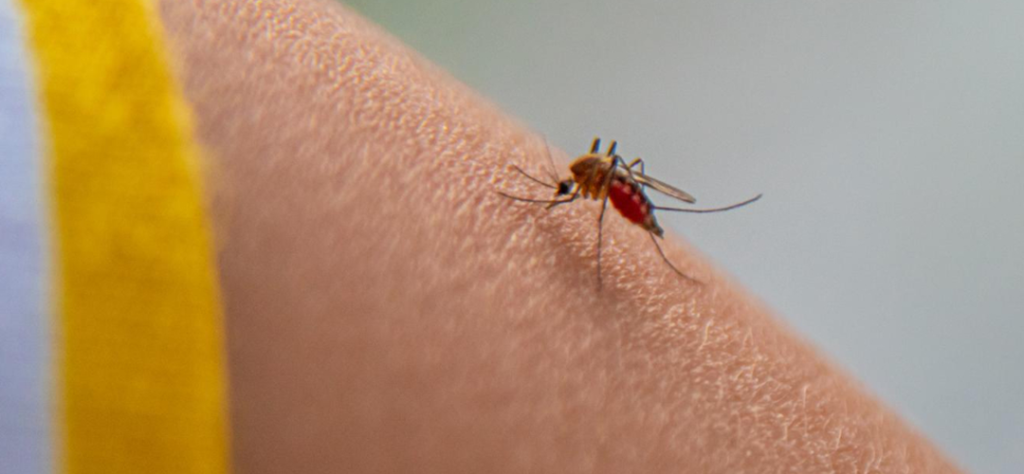
Table of Contents Help Others Discover – Click to Share! Facebook Twitter LinkedIn Table of Contents Even though malaria is not endemic to every area today, it is still an important global health issue. Exposure risk still exists due to increasing international travel and migration between countries, particularly for tourists travelling to malaria-endemic countries. Climate change is expanding the areas where people are at risk of malaria transmission. Early recognition of malaria symptoms and prompt access to appropriate medical care can improve treatment outcomes and greatly enhance recovery. Having quick access to healthcare is vital for people who have developed an acute illness. With Cellmaflex, patients can book their appointments online without the need for phone calls, view their medical records 24/7 from any location, and find the nearest healthcare suppliers including doctors, pharmacies, laboratories and imaging centres. This blog will provide information about malaria, common malaria symptoms, how malaria is transmitted, what methods are available for the prevention of malaria, treatments for malaria, and how improved access to digital healthcare can help to speed up the provision of healthcare to those affected by malaria. What is Malaria? Malaria is a serious disease caused by Plasmodium parasites, not viruses or bacteria. The transmission of this disease occurs by the bite of infected female Anopheles mosquitoes that feed during the dark hours of evening/night. Once the parasite enters the human body, it migrates to the liver, multiplies, and then infects red blood cells with a full-blown parasite infection. Several different species of Plasmodium infect humans, but the most deadly of the parasitic infections is Plasmodium falciparum, which can cause life-threatening complications when not treated promptly. Malaria remains common in many tropical and subtropical regions, including parts of Africa, Asia, Caribbean and South America. According to the World Health Organisation World Malaria Report 2025, there were an estimated 282 million malaria cases and approximately 610,000 malaria-related deaths globally in 2024, with Africa accounting for nearly 94% of cases and 95% of deaths worldwide. In the Caribbean, malaria transmission remains largely concentrated on the island of Hispaniola. Recent regional data showed that Haiti reported approximately 38,591 confirmed malaria cases in 2024, while the Dominican Republic reported around 1,246 confirmed cases, reflecting ongoing elimination efforts across the region. Symptoms to Watch For Early malaria symptoms often resemble flu-like illnesses, which can sometimes delay diagnosis. However, symptoms can worsen quickly if treatment is delayed. Common malaria symptoms include: Fever, often recurring in cycles Chills and sweating Headache Fatigue and weakness Muscle aches Nausea or vomiting Loss of appetite As the disease gets worse, patients may develop extreme tiredness, dehydration, trouble breathing, confusion and/or have convulsions. Because symptoms can escalate rapidly, especially with Plasmodium falciparum, early medical evaluation is critical. Through Cellmaflex, patients can quickly book consultations and access healthcare providers if symptoms develop after travel or mosquito exposure. Why Malaria is Serious Malaria is not just a passing fever. If a malaria infection is not treated, the disease could kill, as well as cause significant damage to the brain, kidneys, lungs and liver. Severe complications may include: Severe anaemia Kidney failure Respiratory distress Cerebral malaria Multi-organ failure The populations that may be at higher risk for developing a serious case of malaria include children, pregnant women, senior citizens, and anyone travelling to an area where they do not have prior immunity. If you begin to notice an increase in the severity of your symptoms associated with malaria, you should seek medical attention as soon as possible to prevent potential complications and hospitalisation. How Malaria Spreads Malaria is transmitted mainly by the bite of an infected Anopheles mosquito, and this occurs most frequently when travelling to areas where malaria exists. Importantly, malaria does not spread through casual contact such as: Hugging Sharing food Coughing or sneezing Symptoms may appear days or weeks after exposure, which is why recent travel history is important during medical consultations. Maintaining accessible health records through Cellmaflex can help support faster clinical assessment. Prevention: How to Protect Yourself Preventing malaria mainly involves reducing mosquito exposure. Key prevention measures include: Using mosquito repellents Sleeping under mosquito nets Wearing long-sleeved clothing Using window screens or indoor protection Taking prescribed preventive medication before travelling Travellers can also use Cellmaflex to book pre-travel consultations, locate pharmacies, and access healthcare support before and after travel. When to Seek Medical Care You should seek medical attention immediately if you develop fever or other malaria symptoms after travelling to areas where malaria is common. Seek urgent care if symptoms include: Persistent fever Severe fatigue Chills and sweating Vomiting Confusion Difficulty breathing Prompt testing and diagnosis are critically necessary, as delayed treatment greatly increases the chance of developing serious complications from malaria. With Cellmaflex, patients can quickly locate nearby healthcare providers, labs, and pharmacies for faster support. Treatment and Recovery Malaria can be treated effectively with the appropriate medications. The type of parasite, severity of illness, and geographic location where exposure occurred will be the factors that determine treatment options. Some examples of common disease treatment include artemisinin-based combination therapy and other prescription drugs. If treatment is delayed, the patient is more likely to develop serious complications and require hospitalisation. The sooner you receive proper medical care and begin a regimen of prescribed medication, the better your chance of recovery. For this reason, it is very important for individuals to recognize the signs and symptoms of malaria early on. Patients need to complete the entire course of treatment as prescribed even after symptoms have resolved; if you experience similar signs and symptoms again, please return to the health care facility for another assessment. How Cellmaflex Can Help Cellmaflex supports faster and more convenient healthcare access by helping patients: Book online appointments easily Access medical records anytime and anywhere Find nearby doctors and specialists Locate pharmacies, labs, and imaging centres Manage follow-up consultations efficiently Connected healthcare provides an opportunity for at-risk patients to receive faster diagnoses and treatments for malaria. Malaria is a preventable and curable disease that remains a major global health problem. It is imperative that anyone experiencing the symptoms of malaria, especially if they have travelled or been exposed to mosquitoes, can seek timely diagnosis and care to recover safely. Preventing malaria, rapidly testing for malaria infection, and receiving timely medical care impact significantly the extent of complication associated with malaria infection. Digital health technology solutions, such as Cellmaflex, give patients more convenient access to their healthcare providers, electronic medical records, pharmacies, and
From Fever to Joint Pain: Understanding Chikungunya Symptoms and Care

Table of Contents Help Others Discover – Click to Share! Facebook Twitter LinkedIn Table of Contents Throughout globally, communities continue to be impacted by illnesses spread through mosquitoes, especially during the warmer months of the year (the summertime and during periods of rainfall) when the population of mosquitoes grows rapidly. One of these illnesses that is still a major concern due to the debilitating joint pain and long-term effects associated with it is Chikungunya. While large-scale outbreaks have decreased in size, the potential for future outbreaks still exists. In order to prevent complications, it is very important to be aware of the symptoms associated with Chikungunya in order to seek medical attention quickly. Online digital health platforms like Cellmaflex help improve access to health care, as they allow patients to book an appointment with the physician online without needing to make a call, access their medical records anytime and from any location, and find physicians, pharmacies, laboratories and imaging centres in their area. This blog will provide an overview of the Chikungunya virus, common signs and symptoms associated with Chikungunya, methods of transmission, strategies for preventing Chikungunya, approaches for managing symptoms associated with Chikungunya, and information on how to utilize Cellmaflex throughout one’s health care journey. What is Chikungunya? Chikungunya is a viral infection caused by the chikungunya virus (CHIKV), an arbovirus transmitted primarily through the bite of infected Aedes aegypti and Aedes albopictus mosquitoes. These same mosquito species are also responsible for spreading dengue fever and Zika virus, making them particularly significant in tropical and subtropical regions such as the Caribbean. The name “chikungunya” originates from the Kimakonde language spoken in parts of East Africa and roughly translates to “that which bends up,” referring to the severe joint pain that causes many patients to stoop or struggle with movement. Unlike some viral infections that primarily affect the respiratory system, chikungunya has a strong musculoskeletal impact, particularly on joints and surrounding tissues. Once the virus is introduced into an infected host via the blood stream, it will replicate in the infected individual. In most cases, the onset of symptoms will occur between 3-7 days after exposure; however, some individuals may present earlier or later than this time frame, leading to confusion for some individuals’ clinicians due to the high incidence of people being sickened by dengue and/or influenza concurrently with a chikungunya illness. According to the WHO, chikungunya has now been identified in more than 110 countries across Asia, Africa, Europe, and the Americas. WHO also reported over 445,000 suspected and confirmed global cases in 2025 alone, highlighting the continued worldwide spread of the disease. Chikungunya Symptoms to Watch For One of the defining characteristics of chikungunya is the sudden onset of symptoms. Many patients report feeling completely healthy before rapidly developing high fever and debilitating pain within hours. Sudden High Fever A sudden fever, often exceeding 39°C (102°F), is usually one of the earliest signs of infection. The fever may last several days and is commonly accompanied by chills, weakness, and severe fatigue. Severe Joint Pain Among all Chikungunya symptoms, severe joint pain is the most distinctive feature. The pain frequently affects the wrists, ankles, knees, fingers, shoulders, and feet. In many cases, the discomfort is symmetrical, meaning both sides of the body are affected simultaneously. Some patients describe the pain as burning, throbbing, or intensely inflammatory. Mobility may become significantly restricted, making simple daily activities such as walking, dressing, cooking, or working difficult. Muscle Pain and Fatigue Muscle aches often occur alongside joint pain, contributing to profound physical exhaustion. Patients may feel drained for weeks, even after the fever subsides. Skin Rash A rash may appear several days after fever onset. It can present as red spots, flat patches, or mildly itchy eruptions across the trunk, arms, or legs. Headaches and Eye Discomfort Persistent headaches, sensitivity to light, and pain behind the eyes are additional Chikungunya symptoms frequently reported during the acute phase. Gastrointestinal Symptoms Some patients may also experience nausea, reduced appetite, abdominal discomfort, or mild vomiting, although these are generally less prominent than joint-related symptoms. Because these symptoms overlap with dengue and Zika infections, using Cellmaflex to locate nearby healthcare providers, diagnostic labs, and imaging centres can support faster evaluation and accurate diagnosis. Why Chikungunya Matters Although chikungunya is often considered a self-limiting illness, its impact can extend far beyond the initial infection period. Long-Term Joint Complications For some individuals, severe joint pain persists for weeks, months, or even years after the infection has resolved. Chronic inflammatory arthritis-like symptoms may develop, especially in older adults and patients with pre-existing joint conditions. Persistent Chikungunya symptoms can interfere with: Mobility Employment and productivity Physical exercise Sleep quality Mental wellbeing Independence in older adults People in jobs that require physical labour often have difficulty returning to their jobs because of continued stiffness or pain that they may still be feeling. Impact on Vulnerable Populations Older adults, individuals who are immunocompromised, pregnant individuals, and those with chronic illnesses are often affected by a more serious than expected course of the illness, or a delay to their recovery process. Economic and Community Burden Large-scale outbreaks of disease can cause extreme stress on both the healthcare system as well as on individual employees, employers and their families. More medical visits, less productive workdays, and longer rehabilitation periods all add to the overall socio-economic issues at stake. This is why ongoing access to digital healthcare management tools such as Cellmaflex is valuable. Patients can maintain their health records in one secure place, schedule follow-up appointments online, and monitor ongoing symptoms without unnecessary administrative barriers. How It Spreads in the Caribbean Context The Caribbean climate creates ideal conditions for mosquito breeding and viral transmission. Stagnant Water Breeding Sites Aedes mosquitoes lay eggs in stagnant water commonly found in: Buckets Flowerpots Old tyres Water storage containers Drains Outdoor containers Construction sites Even small amounts of standing water can become breeding grounds. Rainy Season Risks Heavy rainfall and warm temperatures significantly increase mosquito populations. During rainy seasons, communities often experience spikes in mosquito-borne illnesses, including dengue and chikungunya. Exposure to the Household and the Community Unlike mosquitoes that are typically active at night, Aedes mosquitoes are active during the day. As a result, increased access to households as well as more densely populated urban and suburban environments provides more opportunity for Aedes mosquitoes to transmit disease. As outbreaks can occur rapidly in communities, it is essential to engage with community members to help reduce the
Zika Virus Symptoms and Beyond: Everything You Need to Know
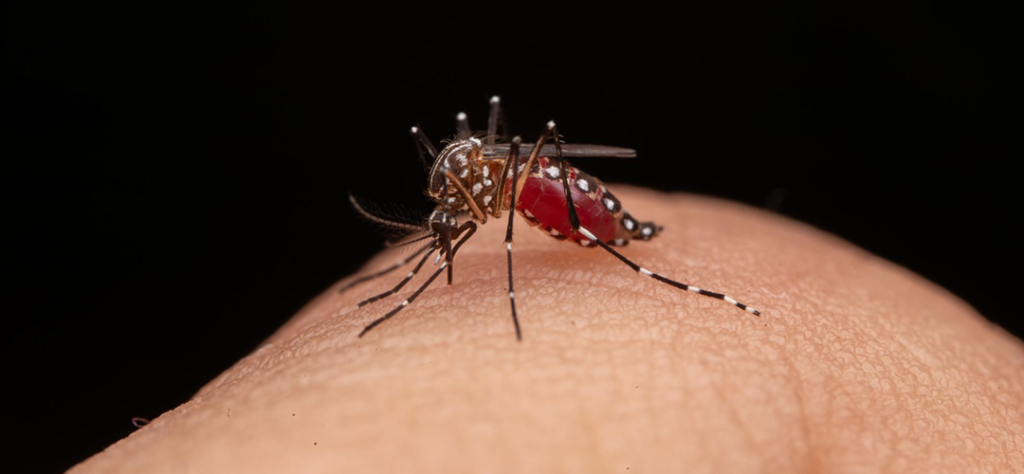
Table of Contents Help Others Discover – Click to Share! Facebook Twitter LinkedIn Table of Contents Zika virus is a mosquito-borne viral infection caused by the Zika virus, a flavivirus related to dengue, yellow fever, West Nile virus, and Japanese encephalitis. The infection is primarily transmitted through the bite of infected Aedes aegypti mosquitoes, which are highly active in tropical and subtropical climates. These mosquitoes typically bite during the daytime, especially in the early morning and late afternoon. The Aedes aegypti mosquito, Zika’s primary carrier continues to thrive across tropical and subtropical regions. For pregnant women, frequent travellers, and vulnerable individuals, continued awareness remains important due to the potential health risks associated with Zika virus infection. Staying informed about prevention measures and early medical guidance can support safer travel and better health outcomes. That’s where Cellmaflex comes in. Managing a potential health threat shouldn’t mean sitting on hold to book a doctor’s appointment. Cellmaflex lets you book online appointments without a single phone call, find nearby doctors, pharmacies, labs, and imaging centres in minutes, and access your complete medical history anytime, anywhere. Your health, always within reach. In this blog, we’ll cover what Zika is, how it spreads, the full picture of zika virus symptoms, the serious risks during pregnancy, prevention strategies, and why early medical attention is non-negotiable. What is Zika? Zika virus is an RNA flavivirus, in the same family as dengue, yellow fever, and West Nile virus. First isolated in Uganda’s Zika Forest in 1947, it remained obscure for decades before exploding into global awareness in 2015, when its link to microcephaly in newborns was confirmed in Brazil. What makes Zika clinically unique is a dangerous combination: it can be sexually transmitted, it can cross the placental barrier and harm a developing fetus, and an estimated 60–80% of infected individuals never develop noticeable Zika virus symptoms, making silent spread remarkably easy. Globally, more than 90 countries and territories have reported current or previous Zika virus transmission, according to WHO. In the Americas, 44,490 suspected Zika cases were reported in 2024 alone. In the Caribbean and wider Americas region, PAHO continues to report ongoing Zika surveillance due to persistent mosquito activity. During the 2015–2017 outbreak period, the Americas recorded more than 750,000 suspected and confirmed Zika cases, with the Caribbean among the heavily affected regions. How Zika Spreads Zika travels through multiple routes, which is what makes it challenging to contain: mosquito bites are the primary transmission route. The Aedes aegypti mosquito is a day-biting species that breeds in even the smallest pools of standing water, a flowerpot, a discarded tyre, a clogged drain. Once it bites an infected person, it can transmit the virus to every subsequent host. Sexual transmission is confirmed and clinically significant. Zika RNA persists in semen for weeks, sometimes months, after initial infection. Couples planning pregnancy or returning from endemic regions must factor this in. Vertical transmission, from a pregnant person to their fetus is one of the routes of concern, as the virus attacks the developing nervous system with devastating consequences. Blood transfusion is a rare but documented transmission route; blood banks in affected regions now implement active screening. Why Zika is Still a Concern in the Caribbean Although reported cases have declined significantly since the major outbreaks, the Caribbean remains vulnerable to possible Zika resurgence. Year-Round Mosquito Presence The Aedes aegypti mosquito remains widespread throughout the Caribbean due to favourable environmental conditions. Warm temperatures and humidity allow mosquito populations to persist throughout most of the year. Climate Conditions Frequent rainfall, flooding, and standing water create ideal mosquito breeding habitats. Urbanisation and population density further contribute to transmission risk. History of Regional Outbreaks The Caribbean has previously experienced substantial outbreaks of mosquito-borne diseases, including dengue, chikungunya, and Zika. Public health systems remain cautious because prior outbreaks demonstrated how quickly these infections can spread across islands and neighbouring countries. Risk of Re-emergence Global travel, climate variability, and changing mosquito distribution patterns continue to increase the possibility of future outbreaks. Healthcare preparedness and public awareness therefore remain essential. Even after outbreaks decline, awareness of Zika virus symptoms remains important because delayed recognition can contribute to silent transmission within communities. Digital health platforms such as Cellmaflex can contribute to faster healthcare access during outbreaks by connecting patients to doctors, pharmacies, laboratories, and imaging centres from one integrated system. Zika Virus Symptoms: The Clinical Picture When Zika virus symptoms do appear, they typically emerge 3 to 14 days after a mosquito bite and resolve within a week. The classic presentation includes: Mild, low-grade fever – rarely the high spiking temperatures seen with dengue Maculopapular rash – flat red patches combined with raised bumps, often intensely itchy, beginning on the face and spreading to the trunk Joint pain (arthralgia) – particularly in the hands and feet; in some cases, joint swelling that can persist for weeks Conjunctivitis – non-purulent red eyes that help clinically distinguish Zika from dengue Headache and retro-orbital pain – generalised or frontal headache, sometimes with pain behind the eyes Myalgia – muscle aches and fatigue Critically, the majority of Zika infections produce no symptoms at all. This asymptomatic majority continues normal life – travelling, donating blood, engaging in sexual activity while unknowingly transmitting the virus. Recognising Zika virus symptoms early is therefore essential for breaking transmission chains and protecting vulnerable contacts. Zika and Pregnancy Risks The strongest global concern surrounding Zika virus emerged because of its effects on pregnancy and foetal development. Infection during pregnancy can lead to congenital Zika syndrome, a group of severe birth defects associated with foetal brain abnormalities. The most widely recognised complication is microcephaly, a condition in which a baby’s head and brain are significantly smaller than expected. However, the neurological effects of congenital Zika syndrome extend far beyond microcephaly alone. Potential complications include: Brain development abnormalities Seizures Vision and hearing impairment Feeding difficulties Developmental delays Muscle stiffness and movement disorders Research has shown that the virus can cross the placental barrier and directly affect foetal neural tissue. The risk appears highest when infection occurs during the first trimester, though complications may occur at any stage of pregnancy. Because many pregnant individuals experience mild or absent Zika virus symptoms, routine monitoring becomes extremely important in regions with active transmission. Early medical consultation allows clinicians to perform appropriate imaging studies, foetal monitoring, and laboratory assessments when necessary. Prevention: A Layered Strategy Because Zika spreads multiple ways, prevention must be multi-pronged: Eliminate standing water around your home – drain containers, cover water storage, clear gutters to destroy mosquito breeding sites at their source. Use insect repellent containing DEET, picaridin, or oil of lemon eucalyptus on all exposed skin. Use insect repellent containing DEET, picaridin, or oil of lemon eucalyptus on all exposed skin. Wear long-sleeved clothing