


Fitness and Nutrition: A Balanced Approach to Better Health

Table of Contents Help Others Discover – Click to Share! Facebook Twitter LinkedIn Table of Contents Every day, millions of people make dietary choices that directly influence their health, energy levels, and long-term wellbeing. Despite growing awareness of healthy eating, global data reveals a troubling paradox. In 2022, around 390 million adults worldwide were underweight, while 2.5 billion were overweight, including 890 million living with obesity. This dual burden of malnutrition affects both developed and developing nations, making fitness and nutrition more important than ever. With Cellmaflex, taking care of your health need not be complicated! You will be able to locate a qualified nutritionist/dietitian in your area, schedule appointments online, order prescription medications from pharmacies, retrieve your medical records at any time, and locate the nearest healthcare facilities. By removing traditional access barriers, Cellmaflex helps you focus on what truly matters: your health. This guide will discuss the importance of fitness and nutrition, how to prepare well-balanced meals, common dietary problems, practical steps to take to make improvements in your diet, and how fitness and nutrition together support long-term health. Why Nutrition Matters Nutrition is the basis for all other areas of health. Nutrition provides your body with essential macronutrients (proteins, carbohydrates, and fats), energy, fuel for your organs to function properly, regulates your mood, increases your immunity against illness, and helps to lower your chances of developing chronic diseases. When you eat a balanced diet, your body will be able to function more efficiently, recover from illnesses more quickly, and thrive. The Caribbean faces significant nutrition-related challenges. Adult obesity rates were at 24.5% in 2022 and approximately 50% of the entire population did not have access to a healthy diet. Economic limitations, alongside limited access to fresh food, have driven communities toward processed food options, putting individuals at higher risk for long-term health problems. When nutritional concerns arise, Cellmaflex makes it easy to find registered dietitians, compare availability, and schedule consultations that fit your lifestyle. Creating A Balanced Plate Creating a healthy meal does not have to include expensive foods or highly sophisticated cooking techniques. You should strive toward building a balanced plate with the following components: Fruits and Vegetables – These foods are high in vitamins, minerals, fibre and antioxidants and should make up approximately 50% of your plate, and consist of brightly coloured options. Whole Grains – Whole grains include foods such as brown rice, oats, quinoa and whole wheat that are excellent sources of fibre and provide sustained energy throughout the day. Lean Proteins – Fish, poultry, legumes, eggs, tofu and low-fat dairy are examples of lean proteins that provide the essential nutrients required to help build and repair muscle tissue, regulate hormones and support the immune system. Healthy Fats – Healthy fats include avocados, nuts, seeds, olive oil and fatty fish. Healthy fats are critical for brain function, regulating hormones and promoting heart health. Hydration – Water is critical for the body to digest, transport nutrients, keep your body at the right temperature, and keep your blood flowing throughout your body How Fitness Impacts Your Overall Health Nutrition provides energy (fuel) for the body; however, fitness is how that energy is used (efficiently). Maintaining an active lifestyle through regular exercise has a myriad of benefits – it improves your cardiovascular system, strengthens bones & muscles, improves insulin sensitivity, and provides a sense of overall well-being. Moderate movement (walking, stretching, or working out at home) can reduce the risk of chronic disease significantly. Additionally, physical fitness supports weight management and healthy weight loss. Regular exercise, combined with balanced nutrition, allows you to maintain your muscle mass while increasing your metabolism, leading to continued sustainable fat loss. You may find that being consistent with your workouts is much more important than how much you were working out at the beginning of your fitness journey. Fitness and Nutrition: A Powerful Partnership Nutrition and fitness work best when approached together. Proper nutrition supports exercise performance, muscle recovery, and energy levels, while physical activity improves nutrient utilisation and appetite regulation. Without adequate nutrition, fitness progress stalls; without movement, even the best diet has limitations. Through Cellmaflex, individuals can access both nutritional guidance and wider healthcare support, allowing professionals to consider lifestyle, activity levels, and medical history together when offering recommendations. Nutrition Problems Faced by Many People The lifestyle of many individuals has led to missing meals, eating convenience foods, and eating at irregular times. The increasing availability of ultra-processed foods that are high in sodium, unhealthy fat, and added sugar has been a contributing factor in the increased prevalence of obesity in the Caribbean, increasing from 15.2% in 2000 to 24.7% in 2016. Food insecurity has a stronger presence in low-income communities than in higher-income communities, which can impact dietary choices due to lower access to healthy foods. Additionally, aggressive marketing of unhealthy food products (especially to children), continues to reinforce unhealthy eating behaviours from an early age. Cellmaflex can connect you with qualified healthcare professionals who can assist you in evaluating your current dietary habits, identify deficiencies, and develop a plan for improvements based on evidence-based recommendations. Ways to Change Your Diet for the Better Significant change in diet takes time. Evidence-based steps include: Start your day with a balanced breakfast containing protein, complex carbohydrates, and healthy fats. Include at least one fruit or vegetable at every meal to boost fibre and nutrient intake. Gradually replace refined grains with whole grains. Reduce added sugars, salt, and processed foods by cooking more meals at home. Use meal prep and batch cooking to save time and maintain consistency. When to Ask for Professional Help People with chronic disease (e.g., Diabetes type 1 or 2, heart disease, inflammatory bowel disease, auto-immune conditions) will benefit most from a personalised nutrition programme, as well as athletes, pregnant women, and those on restricted diets. Professional guidance should be obtained if you experience an unexplained change in your body weight, extreme tiredness, digestive problems, or mental health concerns related to your nutrition. Cellmaflex helps facilitate both comprehensive care (as indicated), as well as continuity of care between nutritionists and other healthcare providers. Take Action with Cellmaflex Small, consistent improvements in fitness and nutrition can lead to long-term health benefits. Cellmaflex supports this journey by enabling you to: Find nearby healthcare professionals across specialties Book online appointments without delays Access medical records securely anytime Locate pharmacies, labs, and imaging centres Receive personalised, evidence-based nutritional guidance Your journey to better health starts with informed choices and the right support. With Cellmaflex, managing
The Right Modern Primary Care PMS for Efficient, Scalable GP Delivery

Table of Contents Help Others Discover – Click to Share! Facebook Twitter LinkedIn Table of Contents Primary care is the foundation of any health system. Primary care physicians are the first point of contact for patients seeking advice, preventive services, or referrals to specialists. Within the primary care sector, general practitioners (GP) address acute consultations, chronic illnesses, preventative services, make referrals and coordinate with community services. Yet today, primary care teams are under unprecedented strain. Rising patient demand – with NHS practices reporting 20–40% growth in patient contacts since pre-pandemic levels – and workforce shortages are making it harder for GPs to focus on what matters most: patient care. Demand continues to rise – NHS England data shows GP appointments increased by nearly 9.8% over two years, with practice list sizes growing by over 700,000 patients in 2024/25 alone. Meanwhile, the number of full-time GPs relative to patients has dropped, worsening capacity pressures. In typical primary care visits, practitioners spend around 36 minutes per patient on EHR tasks, with substantial additional time required outside scheduled consultations. These data underline a stark reality: admin and EHR burden significantly reduce time for patient care, impede continuity of treatment, and increase clinician stress. Choosing the right modern primary care EHR is no longer optional – it is critical for reducing workload, improving efficiency, enhancing continuity of care, and supporting sustainable primary care delivery. Introducing Cellma: A Comprehensive Ecosystem for Primary Care Cellma is a clinically driven, modern primary care PMS designed to support GP practices, primary care networks, and neighbourhood teams within a single connected ecosystem. Rather than operating as isolated modules, Cellma brings together clinical, operational, patient-facing, and analytical capabilities into one unified platform. The Cellma ecosystem includes: Unified clinical records for consultations, referrals, prescriptions, and investigations Appointment management, automated recalls, task workflows, and QOF-aligned templates Referral and care coordination platform connecting GPs with community, acute, and neighbourhood services Supports community and neighbourhood teams, including virtual ward patients and shared care pathways Integrated e-prescribing and pharmacy workflows Real-time dashboards and population health insights Digital patient access via online booking, secure messaging, prescription requests, health records, and NHS App integration This ecosystem reduces administrative burden, improves patient engagement, and enables proactive, population-based care. How it Aligns with the 10-Year NHS Plan Cellma is aligned with the NHS’s ten-year plan by supporting the provision of digitally enabled care pathways as well as integrated health care through local neighbourhoods and providing virtual wards. Cellma links GP practices with community-based teams of health care providers, local authority, local neighbourhoods and hospital-based services. As a modern primary care PMS, Cellma supports continuity across GP practices, neighbourhood care centres, community services, and virtual wards. Patients receiving care at home or through community teams remain visible within the same clinical record, ensuring safer handovers, better coordination, and reduced duplication of work for GP teams. How Each Cellma Supports Modern GP Work Practices One Patient, One Record Cellma maintains a full, continuous record of a patient across all consultations, diagnoses, medications, referrals, investigations, and care plans in one place. Its use of structured documentation through the use of standardised medical terminology with the SNOMED CT code system results in consistency and quality assurance for data, in addition to intuitive clinical workflow features that allow GPs to spend less time documenting consultations. This results in fewer mouse clicks, reduced duplication of effort, and quicker access to necessary clinical information. These are key characteristics of a modern primary care EHR built to support the daily realities of clinical practice. Smarter Practice Management Cellma automates daily practice workflows: appointment scheduling, recalls, follow-ups, and QOF-aligned templates. By reducing manual tracking, GP teams can spend more time with patients and less on administrative tasks. Task-based workflows ensure that nothing slips through the cracks, even during busy clinic days. Seamless Interoperability Cellma is the patient referral platform that supports an integrated process of referring patients safely and efficiently through primary care, community and neighbourhood services and acute care. For GP practices, referrals are no longer isolated tasks or disconnected workflows. Cellma enables clinicians to create, send, track, and receive referrals within the same ecosystem used for consultations and clinical documentation. Integrated Prescribing Integrated e-prescribing reduces errors and improves patient safety. Cellma connects GP practices with local pharmacies, automates repeat prescriptions, and ensures seamless communication between prescribers and dispensers. Data-Driven Insights Cellma transforms raw data into actionable insights. GP teams can monitor long-term conditions, identify care gaps, plan proactive recalls, and review QOF performance – all in real-time. Analytics support population health management and help practices make informed, patient-focused decisions. A Portal for Patients to Access Their Health Care Digitally Cellma patient portal, fully integrated with the NHS App, empowers patients to book appointments, request prescriptions, message securely, and access their health records. This reduces inbound calls, DNAs, and administrative burden while improving patient engagement. AI (Artificial Intelligence), Virtual Care Integration and Future Ready Capabilities Cellma uses AI and predictive analytics to enhance the processes of intelligent triage, population health insight and clinical decision support. Virtual care integration, including secure video consultations and virtual ward monitoring, allows GPs to manage patients remotely without fragmenting records. This ensures continuity and efficient care across all primary and community settings. Security and Compliance Standards that you can trust Cellma is built for secure, compliant primary care delivery. The platform meets GDPR, DSPT, and Cyber Essentials standards, supports role-based access and MFA, and maintains full audit trails. Practices can focus on care delivery, knowing that governance, patient privacy, and inspection readiness are built in. EHRs in primary care should create improved system workflows and collaboration with primary care teams, while empowering both the clinician and the patient. Cellma delivers all of this through its complete ecosystem while aligning with the NHS 10-Year Plan and supporting integrated neighbourhood and virtual ward care. Less admin. More continuity. Better care. Book a Free Demo Recent Blogs Let’s transform healthcare together. Speak with RioMed for a tailored solution. Get in Touch FAQs
Welcome a Wellness-Filled Year: Your Guide to Getting Started

Table of Contents Help Others Discover – Click to Share! Facebook Twitter LinkedIn Table of Contents The New Year arrives with a familiar sense of optimism. It feels like a reset button, an opportunity to leave behind unhealthy habits and step into a healthier, more balanced version of ourselves. Gym memberships surge, wellness planners fill up, and ambitious resolutions take centre stage. A recent study show that approximately 80% of all resolutions made for the New Year will be abandoned by the end of February! This is not due to a lack of motivation or willpower on behalf of individuals but rather a result of the fact that the majority of resolutions are created out of pressure rather than practicality. Individuals tend to put way too much pressure on themselves for an immediate outcome and become discouraged when they do not immediately receive results from their efforts. True wellness doesn’t come from overnight changes, it comes from sustainable habits, realistic goals, and access to care that fits into everyday life. Sustainable wellness can only be achieved through long term commitment and support. That’s where Cellmaflex plays an important role in modern wellness. Instead of chasing appointments or putting health on hold, Cellmaflex allows you to find doctors, pharmacies, labs, and imaging centres nearby, book appointments online without phone calls, and access your medical records anytime, anywhere. In this blog, we’ll explore why wellness goals matter, how to set them effectively, the habits worth focusing on, and how small daily actions, supported by accessible healthcare, can lead to long-term wellbeing. The purpose of Setting Wellness Goals? When you create wellness goals out of your intended healthy lifestyle choices, you turn your intention into structure. Otherwise, “being healthier” may remain an abstraction that can easily be postponed indefinitely. Research has demonstrated that people who establish specific, intentional, health-related goals are far more successful in achieving them than those who rely solely on motivation. Goals provide a mechanism for turning an individual’s awareness about health into an actionable strategy. In addition, wellness goals create habits that form the basis of long-term health. In contrast to temporary resolutions, habits impact the behaviours that you engage in on a daily basis e.g., walking regularly, drinking ample amounts of water, and attending preventative healthcare appointments. Regularly engaging in healthy behaviours significantly decreases an individual’s risk of developing chronic health conditions, thereby improving their quality of life overall. The most effective wellness goals are small, realistic behaviours that you can develop and maintain consistently. Research in behavioural science shows that people are less likely to succeed in making healthy lifestyle changes when those changes are large or drastic. Because small goals appear to be attainable, they motivate an individual’s ongoing commitment to improving their health, which is ultimately what keeps them invested long term. How to Set Effective Wellness Goals Setting the right goals can make the difference between giving up early and building habits that last all year. Define your goals using specific wording General goals e.g., “Exercise More” or “eat healthier” can’t really be measured in terms of how much you have achieved them as they are too broad and vague. Specific goals give you a clear idea of what you need to do. For example, “I want to walk 10 minutes every morning.” or “I will drink one extra glass of water a day.” Set goals that fit your life Your wellness goals should fit within your lifestyle and not be competing against your lifestyle. Very ambitious wellness goals usually will burn you out. Setting realistic wellness goals helps you build your confidence, as well as your momentum. Be consistent It is not a failure if you lost one day of doing something you said you would do. Being consistent means returning to doing what you have started and not having a perfect 100% record. Studies show that people who adopt a flexible mindset are far more likely to maintain long-term health behaviours. Track your progress The use of trackers increases motivation. A recent study show that people who use trackers for their health-related behaviours (including exercise, hydration, and appointments) are 2x more likely than those who do not use trackers to keep up those behaviours. Acknowledging achievement, even small milestones, should be part of the motivation process. Habits to Consider This Year If you’re unsure where to start, begin with the following three essential wellness habits. These habits will have tremendous impact without overwhelming you. Regularly Move Your Body Regular movement benefits our physical health, mental health, and emotional well-being. You can have improved energy and circulation from short bursts of activity (i.e., 10-15 minutes each day) and you have the benefit of increasing good mood. Intensity is not required for movement, but consistency is key. Drink Enough Water Hydration aids digestion, concentration, and energy levels. Studies suggest that even mild dehydration can affect mood and focus, making it harder to stay productive throughout the day. Make Rest and Sleep a Priority Although often overlooked, getting sufficient sleep cannot be emphasized enough. Adults who frequently get less than six hours of sleep per night have an increased risk for being fatigued, stressed, and immune compromised. Making rest a priority is not indulgent, it is essential to overall health. Manage stress and mental wellbeing Chronic stress affects both mental and physical health. Simple practices like mindful breathing, short breaks, or moments of pause during the day can help regulate stress levels and improve emotional balance. Stay up to date with health check-ups Be sure to follow up on your regular health examinations. Preventive care is one of the best ways to become healthy long term. With regular examinations, you can identify any potential issues earlier and reduce the possibility of complications related to those problems, while giving you peace of mind as well. Unfortunately, many individuals put off seeking preventative care due to lack of time and availability, and this is something that can be addressed through the use of digital health tools. Consistency is Where Real Change Occurs While there may be a wide variety of ways to become physically fit, consistency is the key to wellness. Experts agree that being consistent with small amounts of activity every day is a more significant impact on your overall health than being active a couple of times a week with high amounts. For example, a daily 10-minute walk will gradually add up, whereas an hour of intense physical activity once a week will only provide minimal results over the same period of time. With Cellmaflex you can: Locate
Key Trends in EHR in 2026 Shaping Global Healthcare
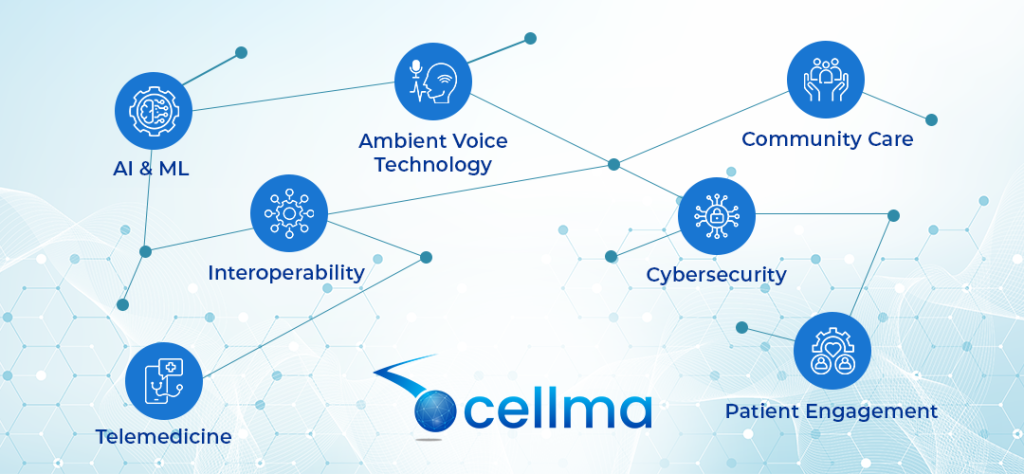
Table of Contents Help Others Discover – Click to Share! Facebook Twitter LinkedIn Table of Contents As global healthcare systems continue to evolve, EHRs and EMRs are transitioning into a next phase by 2026, where simply digitising a record or adhering to government regulations for compliance no longer serves as a metric for success. In the UK, this evolution aligns with the emerging 10-Year Health Plan, which position interoperable, digitally enabled systems as central to future care delivery. What really matters now is how well these systems back up intelligence-led care, connect everything in the healthcare ecosystem, and keep up with the nonstop changes happening in clinical and operational settings. Healthcare data isn’t just growing, it’s exploding. Every year, there’s about 36% more of it, and soon we’ll pass 10 zettabytes. The main reasons? More digital diagnostics, remote monitoring, genomics, and a big push toward virtual care. Electronic health records are everywhere now. Close to 80% of providers around the world have gone digital. In parallel, the UK NHS alone records over 1.6 million patient interactions every day, reflecting the scale at which digital systems must perform. That’s the kind of volume the digital systems need to handle, day in and day out. As 84% of healthcare organisations worldwide see that interoperability is essential in bettering how healthcare is delivered to patients, the 2026 trends in Electronic Health Records (EHRs) indicate a movement away from traditional static record keeping toward adaptive, intelligent health platforms. Global and UK NHS EHR Trends to Watch in 2026 1. Artificial Intelligence and Machine Learning Becoming Core to EHRs AI and machine learning aren’t just buzzwords anymore; they’re quickly turning into the backbone of modern EHRs all over the world. AI is now at the core of the majority of clinical process flows, from predictive risk modelling in North America, through population health analytics in Europe and Asia-Pacific. The NHS in the UK has made it an organisational priority to promote the responsible use of AI. The NHS 10-Year Plan explicitly highlights AI as a critical enabler for early diagnosis, workforce efficiency, and personalised care, supporting its wider shift toward digitally enabled, preventative healthcare. The global healthcare AI marketplace continues to grow as many systems are moving towards utilisation of real-time insights and automation – solidifying AI as a key future component of both EHR and EMR. Why It’s Important Healthcare organisations worldwide produce enormous amounts of data; however, healthcare providers typically do not have sufficient time or tools to analyse and interpret this data effectively. Globally, AI-enabled EHRs assist in providing contextually relevant information, identifying risks in real time and facilitating supportive, proactive and preventive decision-making across multiple aspects of healthcare delivery. For the NHS, this is vital to managing rising demand and workforce pressures while delivering safe, consistent care at scale. Cellma’s Perspective With Cellma’s platform which is built to support global healthcare systems and UK NHS, you can leverage artificial intelligence and machine learning to generate insights from healthcare datasets using smart alerts, analytic tools, and customisable workflows, allowing you to provide data-based patient care with a level of transparency and clinical responsibility. 2. Ambient Voice Technology – Redefining How We Document Clinical Information The explosive growth of ambient voice technology throughout the world has happened due to clinician exhaustion from excessive amounts of documentation. The ambient clinical intelligence and AI voice technologies generated over $1 billion USD in the year 2024, showing strong demand and use throughout the UK NHS, US, Europe and Asia. Studies confirm that clinicians can save between 20 and 50% on time spent documenting and also save up to 70% of the time previously spent documenting beyond their regular working hours. In the UK, NHS guidelines and procurement frameworks encourage and guide clinicians in their efforts to implement ambient voice technology. Many countries have developed similar regulatory structures supporting the development and adoption of ambient voice technology. Why it’s important As reducing the amount of time spent on clinical documentation is an important part of physician wellbeing and patient care, enhanced data quality and enhanced patient care should continue to be the primary goals of all the healthcare systems in the world. For the UK NHS, this is especially important to reduce clinician burnout, protect patient-facing time, and sustain care quality amid rising demand and workforce pressures. Cellma’s Perspective Cellma provides an interface for securely utilizing ambient voice technology as an integral part of the electronic health record (EHR) interoperability process and supports responsible adoption of ambient voice technology while maintaining the patient’s safety and security. 3. The Global Growth of Community and Place-Based Care Models As a result of the global trend toward moving care closer to population centres, place-based or community-led care models are developing rapidly around the world. One example of this direction in the UK is the NHS 10 Year Plan, which outlines plans to implement integrated, place-based healthcare in 42 neighbourhood health hubs throughout England. These neighbourhood health hubs combine primary care, community services, mental health, and prevention into one service within the neighbourhood itself. Similar approaches have emerged across Europe, Australia, and the Asia Pacific region, establishing neighbourhood care as a key contributor to the direction of global EHR Trends in 2026. Why its important Neighbourhood care requires an integrated, digitally supported approach to health records. In order for EPRs to allow for the real-time sharing of individual patient data, multidisciplinary care coordination through shared digital infrastructures, and the analysis of populations at the neighbourhood level, EHRs must not be limited to siloed systems. Silos will impede the efforts of care coordinators to work together effectively, thereby undermining the impact of coordinated care on the entire health system. For the NHS and globally, they support efficient, population-focused care and reduce health inequalities. Seamless electronic patient record integration ensures continuity and safety in virtual care. In the NHS and worldwide, it expands access, improves efficiency, and maintains care quality. Cellma’s Perspective Cellma’s modular and interoperable design supports neighbourhood-based care and virtual wards by enabling shared records, role-based access, and integrated reporting across organisations and care settings. This ensures seamless collaboration, continuity of care, and effective management of patients both in the community and remotely. 4. Interoperability Becoming a Global Baseline Expectation Interoperability is now a universal requirement. All over the world, standards like FHIR are now a must for secure data sharing between different providers, regions, and technologies. In the UK, Integrated Care Systems rely on shared care records, reflecting a broader global push toward connected ecosystems within electronic medical records systems. The NHS 10-Year Plan emphasises interoperability as a cornerstone for connected care, highlighting the integration of the NHS App with EHRs to give patients seamless access to their records, appointments, prescriptions, and care plans. This reflects a broader global push toward fully connected ecosystems within electronic medical records
Why Cybersecurity & Data Privacy in EHR Matters More Than Ever
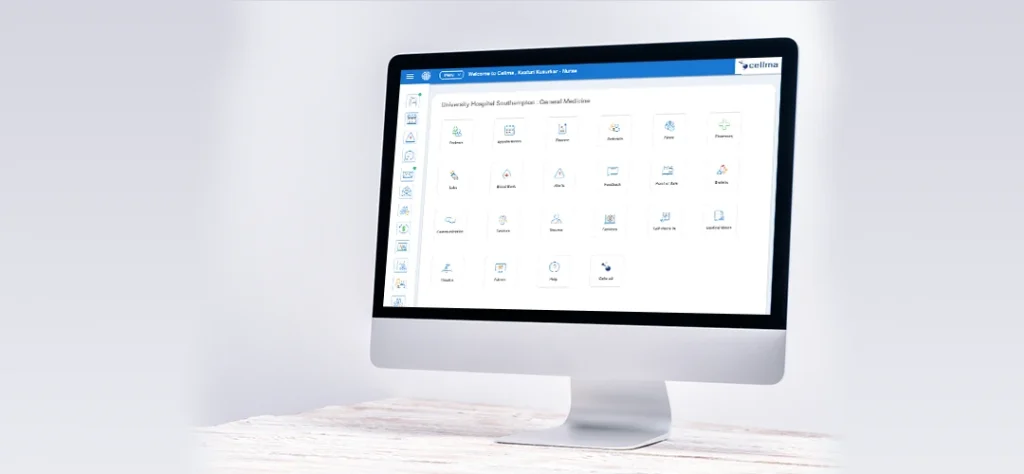
Table of Contents Help Others Discover – Click to Share! Facebook Twitter LinkedIn Table of Contents Digital healthcare has become the backbone of modern clinical practice – from instant access to patient histories to seamless referrals across care pathways. But as healthcare rapidly shifts to electronic systems, the need to protect patient information has never been more urgent. Data privacy in EHR systems is now a foundational requirement, not a technical detail. With cyberattacks on hospitals increasing year after year, healthcare organisations must ensure their digital platforms are secure, compliant, and trusted by both clinicians and patients. Healthcare faced an unprecedented surge in cyber risks in 2024, recording 444 major cyber incidents, including 238 ransomware attacks and 206 data breaches. More than 276 million PHI records were exposed that year averaging 758,288 compromised records a day and early 2025 reviews revealed that over 90% of hacked health records came from systems outside the EHR, with none of the stolen data encrypted. Within EHR/EMR systems, 128 breaches affected 4.9 million records, while non-EMR systems were responsible for nearly 1.5 billion compromised records. Hacking remained the biggest threat, with 363 incidents exposing 131 million records, and surveys showed 25.5% of healthcare staff admitted accessing colleagues’ EMRs out of curiosity. Overall, healthcare saw 556 breaches in 2024, at least 14 million U.S. patients affected by mid-year, and 1,542 confirmed data disclosures in Verizon’s 2025 DBIR, with 387 breaches exceeding 500 records. These numbers clearly demonstrate how critical strong data privacy measures in EHR systems have become. The statistics indicate that when a healthcare organisation suffers a breach of its cybersecurity infrastructure, it jeopardises the entire system; and a data privacy breach places the patient at risk. Cybersecurity and data privacy are interlinked and go hand in hand when building a modern EHR framework. This is why strong, well-designed EHR privacy frameworks matter now more than ever. Defining EHR Data Privacy and Cybersecurity: What Does It Mean? Data Privacy in EHR Cybersecurity in EHR Governs how patient information is collected, stored, accessed, shared, and protected Protects the EHR systems, networks, devices, and integrations from cyberattacks and unauthorised access Ensures confidentiality, integrity, and availability of patient data Ensures system integrity, operational continuity, and protection from external threats Focuses on who can access and use patient information Focuses on how systems and infrastructure are secured Driven by regulations like GDPR, HIPAA, NHS DSP Toolkit Driven by cybersecurity standards like ISO 27001, Cyber Essentials, OWASP guidelines Failure leads to unauthorised use of patient data, legal issues, and loss of trust Failure leads to system downtime, EMR/ EHR data breaches, ransomware attacks, and operational disruption Healthcare organisations must prioritise both data privacy and cybersecurity to safeguard patient information and maintain trust. While regulations and standards provide guidance, it is the implementation of consistent practices, secure systems, and vigilant staff behaviour that ensures EHRs remain protected against evolving threats. A modern EHR should seamlessly combine compliance, security, and usability, allowing clinicians to deliver care efficiently without compromising patient safety. Obstacles Faced by EHR Systems Regarding Patient Information Security Even with cutting-edge facilities, the ongoing obstacles continue to exist: Cybercrime/External Attacks via Ransomware Cybercriminals take advantage of older software and unpatched systems to gain unauthorised access to facilities. From there, they are able to lock out entire hospitals. Insider Errors or Misuse Human error such as weak passwords or unauthorised access, is one of the biggest threats to Data Privacy in EHR systems. Integration into Multiple Systems When multiple systems integrate in order to exchange data, there can be major security concerns if those integrations are not adequately secured. Mobile Access and Remote Workflow Advancement As health care becomes increasingly mobile, protecting access to EHRs from beyond the clinical environment is crucial. Addressing these challenges requires EHR platforms built with security-first engineering. Cybersecurity Features Every EHR Needs for Strong Data Privacy To protect against modern threats, an EHR should include: End-to-end encryption for all data at rest and in transit. Role-based access control (RBAC) to restrict data based on clinical responsibilities. Comprehensive audit logs that track every action and access. Secure APIs to allow safe integrations with labs, imaging systems, referral networks, and portals. Automated backups and disaster recovery systems to minimise downtime. Strict mobile access controls for clinicians accessing records remotely. These features form the backbone of trustworthy Data Privacy in EHR environments. How Cellma Strengthens Cybersecurity & Data Privacy in EHR Cellma ensures that it incorporates all aspects of cybersecurity and data privacy within the entire EHR ecosystem. When a design is made using a security-by-design principle and is integrated throughout all processes that create EHRs, patient information will continue to provide data privacy. Here’s how Cellma stands out: Encrypted Data Exchange Every interaction, from clinical notes to referral uploads is encrypted, ensuring secure data flow within and outside the organisation. Enhanced Role-Based Access Control System Cellma allows administrators to customise permissions, ensuring clinicians access only what they need. Complete Logs of Usage Logs are maintained for each individual user, providing organisations with 100% visibility of each authorisation and therefore creating the basis for the user’s accountability. Secure Connections Between Systems Cellma’s ability to connect seamlessly with other systems is provided through the use of secure API’s that protect data privacy in EHR workflows. ISO 27001–Aligned Cloud Hosting Cellma’s infrastructure adheres to international standards for information security, offering an additional layer of protection. Privacy-Focused Portals Both CellmaFlex (patient portal) and Cellma Connect (referral portal) are designed with privacy-first architecture, ensuring safe communication and data sharing. Continuous Monitoring & Vulnerability Testing As new threats continue to arise, Cellma continuously monitors and tests to ensure that the system is updated and secured against these new threats. Cellma doesn’t just manage healthcare data, it safeguards it. Key Data Security & Compliance Standards and How Cellma Aligns with Them Ensuring strong cybersecurity and data privacy in EHR systems requires adherence to globally recognised data protection and cybersecurity standards. GDPR (General Data Protection Regulation) Cellma complies with GDPR by using secure end-to-end data flows, role-based access controls, built-in consent capture capabilities, as well as full documentation for tracking and auditing of all consent captured. NHS Data Security and Protection (DSP) Toolkit The NHS DSP Toolkit defines the basic level of compliance required for all NHS patient data. Cellma provides NHS compliance through encrypted data sharing, strict access controls and ready-to-govern workflows. Cyber Essentials Plus Cyber Essentials is designed to protect against cyberattacks. Cellma reflects these practices with secure configurations, malware protection, and controlled system access. OWASP Application Security Guidelines OWASP is the industry standard for software development best practices. Cellma uses secure software coding practices, conducts regular penetration testing and practices vulnerability management. HL7 & FHIR Interoperability Standards HL7 and FHIR are standards for secure and structured sharing of electronic health data across different healthcare systems. Cellma supports both standards through encrypted data
Your Health Guide to Causes of a Common Cold

Table of Contents Help Others Discover – Click to Share! Facebook Twitter LinkedIn Table of Contents The common cold may seem like a simple inconvenience, but anyone who has battled days of sneezing, congestion, or a scratchy throat knows how disruptive it can be. Every year, millions of people worldwide experience this viral infection, missing work, cancelling plans, and feeling drained. Most cases of the common cold are mild, but its prevalence makes the cold one of the top three reasons that people go to the doctor for advice each year. It is here that tools like Cellmaflex are a source of support, providing patients with fast access to a local doctor, local pharmacy, local laboratory, and local imaging services to answer questions/concerns quickly and provide support without causing any unnecessary stress. With Cellmaflex, you can book your appointments online without any phone call, view your medical records at any time and at any location, and locate care options (such as hospitals and urgent care centres) quickly. In this blog, we will explore what is a common cold , what causes it, how it spreads, what to look for when experiencing symptoms, who is likely to get it, when to seek medical assistance, and how Cellmaflex can provide you with a better option when you are in need of care. What Is the Common Cold? The common cold is a viral infection of the upper respiratory tract, primarily affecting the nose and throat. More than 200 viruses can trigger it, with rhinoviruses being the leading culprits behind most cases. Understanding the causes of common cold is essential for prevention, especially since the infection is so widespread and easy to transmit. Globally, upper respiratory infections, including the common cold, remain the most widespread illnesses, with an estimated 12.8 billion episodes in 2021. Children face the highest burden, with 6–8 colds per year, while adults experience 2–4. Rhinoviruses are responsible for nearly 50% of all cases. These infections also contribute to missed school and workdays, emphasising the need to understand the causes of a common cold and seek timely care. With Cellmaflex, you can quickly find doctors, pharmacies, labs, or imaging centres nearby and book appointments online ensuring support when cold symptoms strike. How It Spreads Understanding common cold causes includes recognising how easily cold viruses move from person to person. The primary mode is respiratory droplets – tiny particles released when an infected person sneezes, coughs, or even talks. These droplets can land on surfaces like: Mobile phones Door handles Desks Tablets and electronics Once transferred to your hands, the virus can enter your body when you touch your face, especially the eyes, nose, or mouth. Using Cellmaflex during cold and flu season helps you avoid unnecessary exposure in crowded waiting rooms by allowing you to book online consultations or locate nearby providers quickly and safely. Signs of a Cold Most colds start with some form of a tickle in the throat, a cough, or some sneezing, and usually take a few days for the virus to reach its peak level of replication. Some of the common causes of cold viruses create a distinct inflammatory response, leading to the following symptoms: Runny or congested nose, Throat is sore and irritated, Sneezing, Mild to moderate headaches, Coughing, Low-grade fevers (especially in children), Some general fatigue. These symptoms generally peak between the second and third day and tend to eventually improve. Should your symptoms persist or worsen, Cellmaflex is able to locate a doctor or pharmacy near you that can assist with the appropriate treatment options. Common Cold vs. Influenza: What’s the Difference? Because both illnesses affect the respiratory system, many people confuse the common cold with influenza, but understanding the difference helps you take the right action at the right time. While the causes of common colds are linked to more than 200 mild viruses like rhinoviruses, influenza is caused specifically by influenza viruses (Types A, B, and C), which tend to produce more intense and sudden symptoms. Simplified comparison – Common Cold Influenza (Flu) Gradual onset Sudden onset Mild symptoms (sore throat, runny nose, mild fatigue) Severe symptoms (high fever, body aches, chills, strong fatigue) Usually mild and self-resolving Can lead to serious complications like pneumonia Lasts 7–10 days Lasts 1–2 weeks, fatigue may linger Spreads through droplets and surfaces Spreads faster and more aggressively during peak seasons Who Gets It Most? Anyone can catch a cold, but some groups are more vulnerable due to the causes of the common cold and how immunity develops: Children Children’s immune systems are still maturing, which means they’re not yet adept at recognising and fighting off viruses as older people do. In addition, kids share their germs in many ways (at home, in the classroom and on the playground) and so have a higher probability of being exposed to more strains of cold viruses. Parents Parents have frequent contact with children, so they tend to catch more colds than other adults. People in crowded environments Offices, public transport, schools, and events increase contact with respiratory droplets. Individuals with weakened immune systems Chronic illnesses, stress, and fatigue can reduce the body’s defence against the causes of common cold. Cellmaflex ensures that these groups, especially parents or individuals with chronic conditions, can quickly access their medical records and find nearby providers without delays. When Should I Consult My Physician? Most colds resolve in 7–10 days, but medical evaluation is necessary if: The patient experiences any symptoms lasting greater than ten (10) days; The patient develops a high and/or persistent fever; Severe pain in the sinuses; Difficulty in breathing; or Symptoms that suddenly worsen. These could indicate complications like sinusitis, ear infection, or pneumonia conditions not caused by the typical causes of the common cold but triggered by secondary infections. If you notice any warning signs, Cellmaflex lets you immediately locate doctors and book appointments online. No waiting rooms. No phone calls. Just fast, reliable access to care. Take Action: Your Health, Your Control While the causes of common cold are mostly unavoidable due to how common these viruses are, simple steps help reduce risk: Wash hands frequently Avoid touching your face Keep distance from those with symptoms Stay hydrated and get enough sleep But staying informed is the biggest defence. And with Cellmaflex, you’re never alone in your health journey. Whether you need to find a pharmacy for symptom relief, schedule a virtual or in-person appointment, locate a nearby lab, or review your medical history, Cellmaflex
Erectile Dysfunction Treatment Explained: Causes, Diagnosis and Solutions

Table of Contents Help Others Discover – Click to Share! Facebook Twitter LinkedIn Table of Contents Erectile health is a major part of men’s wellbeing, and when something feels off, it can impact confidence, relationships, and overall quality of life. While many men experience occasional difficulties, persistent challenges can take a toll emotionally and physically. The good news? Today, support is more accessible than ever. With Cellmaflex, individuals can quickly find trusted urologists, endocrinologists, therapists, labs, pharmacies, and imaging centres nearby, book appointments online without phone calls, and access their medical history anytime, anywhere. This blog explores everything you need to know about erectile dysfunction treatment, from causes and symptoms to diagnostics and clinically proven options. We’ll also show how digital tools like Cellmaflex can help you take charge of your health journey with confidence and convenience. What Is Erectile Dysfunction? Erectile Dysfunction (ED) is the inability to develop and/or maintain an erection that is firm enough for satisfactory sexual performance. Occasional problems having an erection are normal and occur for a variety of benign reasons (fatigue, stress, alcohol, etc.), but when such problems become frequent or ongoing, they often indicate deeper health issues. Beyond sexual performance, ED can serve as a sentinel symptom, pointing toward cardiovascular disease, diabetes, hormonal imbalances, neurological conditions or significant psychosocial stressors. Because ED intersects vascular, endocrine, neurological and psychological systems, understanding it isn’t just about sexual function, it’s very much about your overall health, well-being and age. Timely detection and prompt treatment are essential. Erectile dysfunction (ED) is a significant and growing global health concern, affecting a large and diverse population of men. According to a comprehensive review, prevalence estimates vary widely across studies, ranging from 3% to 76.5% globally, depending on factors like age, geography, and how ED is assessed. By 2025, it is projected that around 322 million men worldwide will be affected by ED. Among men with diabetes, the burden is particularly high: a global umbrella review found that about 65.8% of diabetic men (95% CI: 58.3–73.3%) experience ED. For men with type 1 diabetes specifically, a meta-analysis estimated prevalence at 42.5% (95% CI: 34.3%–50.8%), with age, disease duration, BMI, and other factors strongly associated. Common causes of erectile dysfunction Erectile dysfunction (ED) can be complex and may have a number of factors interplaying, such as body, mind and lifestyle. Knowing a cause is important to get the best treatment for erectile dysfunction. 1. Physical Causes Many physical conditions can interfere with the body’s natural erectile process: Heart disease reducing arterial blood flow Diabetes, one of the most common causes due to nerve and vessel damage High blood pressure Obesity, which is linked to hormone imbalance and vascular issues Hormonal disorders, including low testosterone Neurological conditions (spinal injuries, neuropathies) Because these conditions often require coordinated care, Cellmaflex can help you access the right mix of specialists – urologists, endocrinologists, cardiologists, or neurologists. Lifestyle FactorsBlood flow, energy levels, and vascular health are heavily influenced by lifestyle habits: Smoking Excessive alcohol Substance use Physical inactivity Poor diet Making healthier choices can dramatically improve outcomes from erectile dysfunction treatment. 3. Psychological Causes The mind plays a powerful role in sexual health: Stress Anxiety Depression Relationship conflicts In these situations, therapy or counselling can be essential. With Cellmaflex, users can search for licensed mental health professionals nearby and book seamlessly. Identifying the Signs of ED Although ED symptoms can differ, common experiences include: Trouble obtaining or sustaining an adequate erection Decreased sexual drive Nervousness before or during sexual activity If these symptoms persist, they may point to underlying cardiovascular, hormonal, or psychological issues. Early evaluation, and timely erectile dysfunction treatment helps improve both sexual and long-term health outcomes. When to Seek a Doctor If you are experiencing continuous or frequent issues to maintain an erection, it’s best to speak with a medical professional. ED can, at times, be the first sign of diabetes, vascular disease, hypertension, or hormone disorders. Intervention of the issue will not only help with erectile dysfunction but will help with long-term risk reduction. With CellmaFlex, men no longer need to delay appointments—finding the right doctor or clinic and booking online can be done within seconds, with no calls or long waits involved. Diagnosis of ED Assessing ED involves a detailed history of the issue and then an assessment of physical, hormonal, and mental health to determine the best way forward. Clinicians will often seek: Physical assessment Blood tests to examine testosterone, glucose, and cholesterol levels Urinary testing for metabolic conditions Mental health screening to see if stress or anxiety may be influencing ED Penile Doppler ultrasound – a key diagnostic tool which measures blood flow and vascular function. Finding a diagnostic centre is easy with Cellmaflex, where users can locate labs and imaging providers, compare locations, and book tests instantly. Accessing results in the same platform also ensures continuity between your doctor and diagnostic care team. Treatment & Management ED is treatable in most cases. How its treated varies based on the underlying cause. Personalised and evidence-based plans of care will result in the best possible results. Below are the main categories of erectile dysfunction treatment. 1. Changes to Lifestyle Often the first step; particularly when it is physical or metabolic: Regular exercise Cessation of smoking Limiting alcohol use Following heart-healthy, nutrient-dense diets These changes can improve blood flow and hormonal control, two major aspects of erectile health. 2. Management of Underlying Medical Conditions If erectile dysfunction (ED) is caused by diabetes, hypertension, hormonal imbalances, or even nerve damage, addressing those underlying issues may have a substantial effect on ED symptoms. Coordinated care becomes easier with Cellmaflex, which connects users to physicians, pharmacies, and diagnostic services within the same digital ecosystem. 3. Medications as prescribed by the healthcare provider. 4. Psychological Therapy When stress, trauma, or relationship issues contribute to ED, counselling can significantly support a successful erectile dysfunction treatment plan. 5.Medical Procedures Reserved for severe / more complex cases: Vacuum erection devices Penile injections Surgical implants These are effective when other treatments fail, though they require close follow-up. With Cellmaflex, users can find specialists experienced in advanced ED interventions. Living with Erectile Dysfunction Dealing with erectile dysfunction can have an impact on confidence, relationships and overall emotional wellness. Many men will feel embarrassed or withdraw from others. But ED is a very common medical condition, and it is usually treatable and manageable. 1.Emotional & Relationship Effects ED can cause partners to experience frustration or anxiety, while spouses may feel confused or rejected. Being honest and open about sex can relieve some of the pressure and increase a deeper understanding from both partners. 2. Lifestyle Changes That Help Making healthier choices, engaging in physical activity, eating
Your Guide to Influenza Symptoms, Risks, and Care

Table of Contents Help Others Discover – Click to Share! Facebook Twitter LinkedIn Table of Contents Season after season, influenza makes its return, often suddenly, often aggressively, and almost always catching people off guard. The flu is more than a routine seasonal illness; it can disrupt daily life, lead to serious health complications, and place pressure on healthcare systems worldwide. As cases increase during the peak season, it is crucial to have ways to facilitate access to care. As such, this is where Cellmaflex becomes your mobile health partner, allowing you to book an appointment online without any phone calls, find local doctors, pharmacies and labs, and view your medical history at any time and anywhere. In this blog, we will discuss what the flu is, how it is spread, key influenza symptoms, factors that put you at risk, ways to prevent it, how it is diagnosed and treated, when to seek urgent care, and how solutions like Cellmaflex makes accessing healthcare easier during flu season. What Is Influenza? Influenza, commonly known as the flu, is a contagious viral infection that primarily affects the respiratory system, including the nose, throat, and lungs. It is caused by influenza viruses that continuously evolve, creating new strains each year, which is why seasonal outbreaks occur across the globe and why consistent monitoring and vaccination remains critical. According to the World Health Organisation, there are an estimated 1 billion influenza cases every year, with 3–5 million of these progressing to severe illness. Tragically, seasonal influenza is responsible for up to 650,000 respiratory-related deaths annually, highlighting the importance of early detection, preventive care, and timely access to healthcare services. As flu cases rise, many individuals turn to digital platforms for quick support. Cellmaflex helps users find nearby clinics for flu tests, book their slot instantly, and access vaccination history to check whether they are due for a shot. How the Flu is Transmitted The influenza virus spreads rapidly, so it is important to identify influenza symptoms early and take preventative action. The virus spreads through droplets expelled when an infected person coughs, sneezes, or talks. These droplets either land in the air or on surfaces and can be transferred when the infected person touches their mouth, eyes, or nose. Transmission will be increased in crowded spaces, poor ventilation, and physical contact. During the flu season, Cellmaflex can be used to locate a clinic or pharmacy that is not busy and therefore decrease the amount of time that the individual is exposed to the flu germ. Common Influenza Symptoms: Influenza often appears suddenly, and understanding the full range of influenza symptoms can help individuals seek timely care. Typical symptoms include: The sudden appearance of fever or chills Sore throat, dry cough Muscle and body aches Fatigue and weakness Headache and stuffy/congested nose Possibly nausea and/or vomiting (this is more common in small children). Because these influenza symptoms overlap with other respiratory infections, timely evaluation is key. Through Cellmaflex, users can quickly find testing centres and book appointments directly, helping them avoid unnecessary delays. Risk Factors and Complications While no one is immune to the flu, some groups of people have greater risk for severe illness and sometimes complications: People aged 65 years and older Children less than 5 years old Women who are pregnant People with chronic medical problems like asthma, diabetes, heart disease, and Those whose immune systems have been compromised or weakened. Some of the complications of flu can include pneumonia, sinusitis, bronchitis, and exacerbation of chronic health problems. Severe influenza symptoms, such as prolonged fever, chest tightness, or dehydration should never be ignored. Cellmaflex supports users from the early stages by helping them identify nearby specialists, laboratories for further testing, and pharmacies for antiviral medications. Prevention The most effective way to reduce the risk of severe influenza symptoms is the annual flu vaccine. Vaccination helps adapt to circulating strains each year and offers significant protection. Other preventive steps include: Frequent handwashing Covering coughs and sneezes Avoiding close contact with people who are ill Sleeping well, staying hydrated, and maintaining a nutrient-rich diet If you’re unsure whether you received your last shot, Cellmaflex allows you to check your vaccination history instantly and locate nearby facilities offering flu immunisation. Diagnosis and Treatment Doctors typically diagnose influenza based on history, physical examination, and, when needed, rapid flu tests or PCR testing. Recognising influenza symptoms early increases the likelihood of appropriate treatment. For most people, the following will help them to recover in their own home: Adequate sleep and rest Drinking fluids Taking fever-reducing medications If you are at high risk of developing complications from the flu or showing signs of severe flu, your physician may prescribe antiviral medications. Cellmaflex helps users quickly find clinics that offer flu tests and locate pharmacies for antiviral medication availability. When to Seek Medical Care If you experience one or more of these signs or symptoms, seek immediate medical attention: Difficulty breathing or shortness of breath Chest pain or pressure Uncontrolled fever (105.4°or higher, unless treated) Severe weakness or feeling confused Dehydration, especially in children or elderly people. Recognising worsening flu symptoms early will help to reduce the risk of complication from the flu. Through Cellmaflex, patients can find urgent care centres or consult their healthcare provider without waiting in long lines. Influenza continues to affect millions each year, making awareness and early action essential. Recognising influenza symptoms, practising prevention, and seeking timely care can significantly reduce the risk of complications. Accessing quality care has never been easier with Cellmaflex. Not only can you locate nearby physicians or clinics, but you’ll also be able to instantly schedule appointments and track your health history and immunization records online. Register for Free Recent Blogs FAQs
Reimagining EHR in Virtual Care with Cellma

Table of Contents Help Others Discover – Click to Share! Facebook Twitter LinkedIn Table of Contents Across the UK and around the world, virtual care is rapidly redefining how healthcare is delivered. As outpatient demand grows, chronic conditions rise, and hospitals or health institutions struggle with increasing pressures, healthcare systems are pivoting toward models that prioritise remote access, proactive monitoring, and digital-first patient engagement. The NHS 10 Year Plan and NHS England’s virtual wards programme reflects this shift clearly, in December 2024, England reported a virtual ward “bed” capacity of 12,733, with an average occupancy rate of 75.4%, and around 9,600–9,900 patients on virtual wards. Over 100,000 patients have been treated in NHS virtual wards in the last year. Evidence from virtual wards focusing on frailty has demonstrated that 99% of patients are likely to recommend this form of support, and patients cared for in their own home are eight times less likely to have functional decline compared to being in a hospital inpatient environment. Additionally, when cared for at home, patients are five times less likely to develop infections as compared to receiving care in more traditional hospital environments, and virtual wards have seen 2.5× fewer rescues to a frailty bed compared to an acute norm. Yet many organisations remain stuck in fragmented digital ecosystems, using separate telehealth apps, portals, and monitoring tools that don’t connect or support complete care pathways. This leads to dual documentation, decision-making delays, and inconsistent patient experiences. Cellma’s Virtual Care Solutions eliminate these barriers through a fully integrated, NHS-ready digital ecosystem. By connecting hospitals, community services, neighbourhood care centres, and virtual wards in one platform, Cellma ensures every patient receives the right care, at the right time, in the right setting. Governance, Compliance, and Global Standards Trust and safety sit at the heart of Cellma’s virtual care design. All virtual care workflows, whether consultations, monitoring, or digital triage operate within a secure, compliant, and auditable framework. NHS and National Compliance – Cellma is compliant with all NHS Digital and statutory obligations including: Data Security and Protection Toolkit (DSPT) Cyber Essentials standards DCB0129 and DCB0160 clinical risk management standards UK GDPR and ISO 27001 information security standards NHS terminologies including SNOMED CT, LOINC, dm+d, and ICD-10 Interoperability Standards Cellma’s architecture provides full Interoperability via: FHIR, HL7, and DICOM Integration with NHS Spine, GP Connect, e-RS Global compliance standards for international deployments These capabilities ensure safe, accurate, and high-integrity exchange of information across primary, secondary, and community care, both locally and internationally. Aligned with the NHS Vision for Digitally Enabled Virtual Care Cellma is purpose built and supports the NHS 10-Year Plan and the rapidly expanding national virtual care agenda. Our platform seamlessly connects clinicians working in hospitals, community health and remote monitoring programs, and patients at home, into a single interoperable solution. With deep alignment to NHS priorities, Cellma supports: Virtual ward programmes that provide hospital-level care in the home. Community and neighbourhood care centres that share patient records. Real-time remote monitoring for chronic and long-term conditions. Secure video consultations that are CQC and NHS Digital compliant. Cross-organisation MDT collaboration through a single digital communication platform. Data continuity across GP systems, hospitals, and digital services. By integrating seamlessly with NHS Spine, GP Connect, and e-Referral Service, Cellma ensures that patient data moves with them across services, without administrative delays or duplicated documentation. This level of interoperability allows healthcare professionals to coordinate care efficiently while enabling patients to stay connected to their care teams, even from home. Clinical and technical depth: Cellma’s virtual care capabilities. Virtual care goes far beyond video calls. It requires a clinically rich, operationally flexible ecosystem that supports real-time monitoring, accurate documentation, patient engagement, and coordinated decision-making. Cellma provides purpose-built virtual care solutions through an integrated suite of tools, each designed to support different aspects of remote care delivery. Core Digital Solutions Within the Cellma Ecosystem CellmaEHR – A unified electronic health record accessible across hospitals, community services, virtual wards, and home-care programmes. CellmaPatientPortal – Gives patients access to their records, participatory video consultations, scheduling appointments, test results, and secure clinician communications. CellmaConnect – A referral management solution enabling efficient care coordination and virtual care delivery within the Cellma ecosystem. CellmaAnalytics – Dashboards enabling real time tracking of virtual ward capacity, waiting times, monitoring trends, patient outcomes and system performance. CellmaPMS – Enables scheduling, virtual appointments and tracking to coordinate care. CellmaPharmacy – Enables e-prescribing and medication tracking, links to pharmacy services for remote care and community pharmacy services. Key Features Driving Effective Virtual Care Secure Video Consultations: CQC-compliant, EHR-integrated, with safeguarding and consent workflows. Remote Patient Monitoring: Real-time parameter tracking with alerts for diabetes, COPD, heart failure, and more. Digital Triage: Patient-led symptom updates and pre-visit assessments. Virtual Wards Dashboards: Implementing NHS England’s models for remote hospital-level care. Group Sessions: For mental health, physiotherapy, antenatal care, family assessments, and lifestyle programmes. Instant Access for Patients: No app downloads, patients simply click a link. All features are developed to reduce unnecessary bureaucracy, redundant documentation, and to facilitate safe and consistent, quality care delivery through both virtual and in-person pathways. Security, Data Protection and Assurance Virtual care naturally comes with a heightened level of security. Cellma takes the stress out of security, embedding robust controls over every digital contact point, ensuring that data is secured, tracked, and compliant. Key Security Functionalities – AES-256 encryption (data at rest) TLS 1.3 encryption (data in transit) Role-based access control MFA and NHS smartcard authentication Immutable audit logs Tested disaster recovery that aligns with health care SLAs. Cellma is compliant with the DSP Toolkit, Cyber Essentials Plus, GDPR, ISO 27001, and Risk Ledger Assessment requirements. All ensuring that every virtual consultation, record update and monitoring action is safeguarded at the highest global standard. Why Cellma is the Future of Virtual Care Delivery As virtual care becomes a core component in the transformation of health and care systems, vacancy must be replaced by flexibility, clinical intelligence and end-to-end interoperability. Cellma offers: A comprehensive digital ecosystem with all decisions made internally Real-time patient monitoring and communication Seamless integration with NHS systems Global scalability and interoperability Unified patient records across all care settings A seamless experience for patients and clinicians Improvements that can be evidenced and measured With Cellma, providers are delivering: 22% fewer waits for outpatient appointments 12% fewer visits to A&E 15% readmission to hospitals 40% better access to care for remote communities 100% improvement in patient experience These impact measures illustrate how connected virtual care is relieving pressure on hospitals whilst improving patient experience and clinical efficiency. Virtual Care Benefits Beyond Technology Virtual care is not just about improving access; it is about transforming
Male Infertility Causes: Early Signs and Next Steps

Table of Contents Help Others Discover – Click to Share! Facebook Twitter LinkedIn Table of Contents Bringing a new life into the world is one of life’s greatest joys – but for many couples, the journey to parenthood can be unexpectedly challenging. Male fertility is critical in helping couples conceive. When conception doesn’t happen as planned, the focus often falls on the woman’s reproductive health, but in reality, male infertility plays a role in nearly half of all infertility cases. You may not even be aware that issues such as hormonal imbalances, sperm quality, or your lifestyle could impact your fertility. Knowing and understanding male infertility causes is an important step toward managing your reproductive health, seeking care in a reasonable timeframe, and moving forward towards your ultimate goal of growing your family. If you or your partner is trying to conceive and wondering where to begin, Cellmaflex can make the process simpler and less stressful. You can book appointments online through Cellmaflex with urologists and/or fertility specialists, without any phone calls. making follow-ups and fertility assessments smoother. In this blog, we’ll explore what male infertility is, male infertility causes, signs to watch for, diagnostic methods, and the treatment options available, along with how Cellmaflex supports your fertility journey every step of the way. What Is Male Infertility? Male infertility refers to a condition in which a man’s reproductive system has difficulty contributing to conception. Typically, it is a result of difficulties with sperm production, function, or transport, which are the three essential components of successful fertilization. In simpler terms, this could mean low sperm count, reduced motility (movement), or abnormalities in sperm shape that make it harder to reach and fertilize the egg. Clinically, male infertility may arise due to hormonal deficiency, genetic condition, infection, or obstruction in the reproductive tract. According to the World Health Organisation (WHO), about 1 in 6 people (≈ 17.5%) of reproductive age worldwide experience infertility in their lifetime. This includes both male and female factors. According to a 2023 study published in BioMed Central, an estimated 56.5 million men worldwide were living with infertility in 2019, marking a significant 76.9% increase from approximately 32 million in 1990. The age-standardised prevalence rate (ASPR) was reported at 1,402.98 per 100,000 population (95% uncertainty interval: 792.24–2,242.45), reflecting a 19% rise since 1990. The highest rates were observed in Western Sub-Saharan Africa, Eastern Europe, and East Asia, while the peak age group for both prevalence and years lived with disability (YLDs) was 30–34 years globally. These findings highlight a growing global burden of male infertility, particularly affecting men in their prime reproductive years. Early evaluation can make a significant difference in identifying the underlying male infertility causes and starting treatment promptly. With Cellmaflex, men can take that all-important first step – booking their fertility consultations online, locating labs nearby for semen sampling, and accessing medical results anytime from anywhere through a secure login. Male Infertility Causes Understanding male infertility causes helps doctors and patients identify targeted treatments that address the root of the problem rather than just the symptoms. Some of the most frequent factors include: Issues with sperm – malformed sperm, low sperm counts (oligospermia), and no sperm present in your semen (azoospermia). Genetic issues – Klinefelter syndrome, myotonic dystrophy. Some medical conditions, including diabetes, cystic fibrosis and certain certain autoimmune diseases that attack your sperm. Infections, including epididymitis, orchitis and sexually transmitted infections (STIs), including gonorrhoea or HIV. Swollen veins in your testicles (varicoceles). Cancer treatments, including chemotherapy, radiation therapy or surgical removal of your testicles (orchiectomy). Testicular trauma. Hormonal disorders that affect your hypothalamus or pituitary glands. Whatever the cause, early medical evaluation is vital. Through Cellmaflex, you can easily find nearby labs for semen analysis or hormonal testing, and even locate pharmacies to collect prescribed treatments, all in one place. What are the signs of infertility? The primary symptom of male infertility is being unable to have a biological child. But male infertility can also lead to many psychological and emotional symptoms, including feelings of: Depression Loss Grief Inadequacy Failure If you or your partner experiences any of these feelings, it’s a good idea to talk to a therapist or psychiatrist. With Cellmaflex, you can seamlessly schedule a fertility specialist appointment, while easily and securely sharing your digital medical history to allow doctors to act more quickly and with more information. When to See a Doctor Couples under 35 who have been trying to conceive for a year, or those over 35 who have tried for six months, should consider a fertility evaluation. You should also see a doctor sooner if you notice changes in sexual function, testicular swelling, or any symptoms of hormonal imbalance. By using Cellmaflex, you can schedule your consultation instantly and find specialists experienced in evaluating male infertility causes. Getting help early increases both your chances of conception and the chances of identifying any health problems that may or may not be presenting themselves otherwise. Diagnosing Male Infertility Typically, a complete male infertility evaluation involves multiple thorough evaluations to help determine if there is a male infertility problem, and what that problem might be. Semen Analysis: The sperm evaluation, where sperm count, motility, and morphology (he assessment of the shape, size, and structure of sperm cells) are evaluated. Hormone Testing: Hormone testing will measure testosterone, FSH, Estradiol (E2) and LH to understand hormonal status. Imaging Tests: An ultrasound or even an MRI can help determine if there are blockades or structural defects. Genetic Testing: Considered in some cases to determine if there is an inherited disorder that is affecting sperm production. Cellmaflex can help you locate imaging centres and laboratories in your area, securely receive and view results online, and even directly share them with your doctor to facilitate speedier, connected care. Treatment & Management The treatment of male infertility causes depends largely on the underlying factor. The primary methods include: Lifestyle changes: Simple modifications like eating a healthy diet, exercising, finding ways to manage stress, and minimizing or eliminating the use of tobacco and alcohol can positively affect sperm quality. Medications or hormone therapy: If infertility is due to hormonal issues, medications or replacement therapy can help to restore normal sperm production. Surgery: Varicocelectomy or repairs to blockage in the reproductive tract are surgical options that can restore fertility in many patients. Assisted Reproductive Technologies (ART): If natural conception is not achieved, ART procedures such as intrauterine insemination (IUI) and in vitro fertilization (IVF) can help couples conceive. Your treatment can take you to several specialists and tests, but you don’t have to worry so much about all of that. Cellmaflex allows you to stay organised, book consultations, access test results, and find nearby pharmacies, all from your device, no matter where you are. Living with Male Infertility Infertility affects emotions, relationships, and everyday life in addition to physical well-being. Some basic points to help you understand and deal with it: The