


AI in Healthcare: How Cellma Powers Smarter Care

Table of Contents Help Others Discover – Click to Share! Facebook Twitter LinkedIn Your browser does not support the audio tag. Table of Contents Electronic Health Records (EHRs) and Electronic Medical Records (EMRs) were initially developed to substitute for physical files, render patient information traceable, and accelerate access to medical history. Today, however, healthcare has moved past information technology systems that simply house information, healthcare needs digital platforms that can think, assist, and act. That shift is already well underway. Globally, 86% of healthcare organisations report that they are already using or actively planning AI-driven capabilities within their EHR or EMR systems, while more than 73% are piloting or deploying AI in core functions such as clinical decision support, risk prediction, automation, or patient communication. At the leadership level, over 80% of health executives say AI, including generative AI, will significantly reshape care delivery by the end of 2025, and 84% specifically believe AI will influence clinical decision-making in the near term. Meanwhile, 80% of organisations expect AI to reduce manual administrative labour, signalling a shift from data entry systems to true clinical assistants. The scale of data behind this transformation is immense. Healthcare already generates around 30% of the world’s total data, and the volume is growing at 36% per year, making AI not just an advantage, but the only practical way to extract real-time insights from rapidly expanding patient datasets. Areas such as Europe are now among the leading global adopters as a result of various national digital health mandates, while newer health systems are leveraging AI-enabled EHRs to address staffing challenges, automate triage and increase access to care. Early adopters have already seen impact: 40% report measurable operational improvements due to AI-enabled EHR workflows, ranging from faster coding to shorter wait for diagnoses. The UK is rapidly progressing towards an AI-enabled healthcare model. The NHS England 10-Year Plan clarifies the critical need for AI and data to help reduce pressure on staff, improve clinical accuracy and provide care that is more predictive and personalised. Across the system, more than half of NHS Trusts are currently piloting or rolling out AI tools, with an additional hundreds of trials supported by the NHS. An NHS report of productivity also recently highlighted that staff could save up to 43 minutes each person each day with the use of AI tools, demonstrating the real impact on the day-to-day operation in care delivery. Artificial Intelligence is no longer an optional add-on to health records, it is redefining digital healthcare. Instead of passive repositories, AI enables digital healthcare to become active clinical partners that predict risk, guide decision-making, prevent errors, automate repetitive workflows, and personalise care at scale. As NHS Trusts, hospitals, and healthcare providers move toward fully connected care ecosystems, the question is no longer “Do we need AI in healthcare?” but “How intelligently is AI being built into our EHR and EMR systems, and is it truly improving care?” How AI Is Transforming the Healthcare Landscape AI is bringing a wide range of capabilities into modern EHR and EMR systems — and the examples below are just a few of the many ways it is reshaping digital healthcare. All of them focus on reducing manual work, improving clinical accuracy, and turning raw data into meaningful, real-time insight for care teams. AI Capability What It Means in Real Care Settings Predictive Analytics Identifies high-risk patients, readmission probability, disease progression Clinical Decision Support Suggests evidence-based interventions and flags risks before they occur NLP (Natural Language Processing) Converts free-text notes into structured, usable data Workflow Automation Auto-handles referrals, reminders, coding, authorisations Patient Engagement Intelligence Sends smart alerts, follow-up prompts, remote check-ins Clinical Documentation – Ambient Voice AI Listens during consultations and automatically generates structured clinical notes, dramatically reducing documentation time AI-Enabled Revenue Cycle Management Auto-captures charges, predicts potential claim denials, validates coding accuracy, and supports faster billing cycles This shift is no longer futuristic. It’s already visible in radiology reporting, oncology treatment pathways, early diabetes risk modelling, population health dashboards, etc. Real-World Benefits of AI-Enabled EHRs and EMRs Faster Diagnosis – AI supports clinicians by analysing patient history, vitals, and patterns instantly Reduced Clinician Burnout – Less typing, less duplication, less admin Smarter Population Health – Detects risk clusters before they escalate Better Patient Experience – Personalised follow-ups, reminders, clear digital pathways Operational Efficiency – Predicts bed demand, resource use, and workforce gaps In other words, AI is not replacing clinicians, it’s removing everything that gets in their way. Where Traditional EHRs Still Fall Short Even some of the most widely used EHRs today suffer from: High admin load – clinicians spend more time typing than treating Reactive workflows – action happens after something goes wrong Zero intelligence – systems store data but don’t interpret it Poor interoperability – fragmented systems, fragmented care Low user experience – forcing clinicians to “work for the software” instead of the other way around This is the exact gap AI-filled EHRs are built to solve, and it’s the space where platforms like Cellma are already delivering results. How Cellma Uses AI to Create a Smarter Digital Healthcare Ecosystem Cellma isn’t just a digital record system, it is an AI-enabled healthcare platform built to support clinicians, engage patients, and help organisations move toward predictive and personalised care. This is how AI operates within Cellma: AI-Based Clinical Decision Support Cellma supports clinicians by: Recommending evidence-based treatment plans Identifying drug interactions or contraindications Identifying abnormal lab trends or missed follow-ups The outcome? Safer care, fewer clinical errors, and quicker decision-making. Predictive Analytics for Risk & Population Health Cellma uses past and real-time data to help identify: Patients that are at risk of readmission Population level trends (e.g. elevated hypertension or diabetes risk) Early detection of deteriorating chronic conditions This enables both preventative care and future NHS long-term planning. NLP for Clinical Notes Natural Language Processing (NLP) is one of the most impactful AI capabilities built into modern EHR and EMR systems. Instead of forcing clinicians to rely on heavy typing, rigid templates, or endless dropdowns, NLP allows them to document in the way that feels most natural, while the system does the structuring in the background. How it works: Clinicians may type, dictate, or upload free-text notes. AI instantly extracts key clinical information, converts it into structured data, and places it in the correct fields within the record. The result? Less typing. Fewer dropdowns. No repeated coding. Automated Workflows Cellma applies AI logic to route: Referrals Appointment
Know Prostate Cancer Symptoms and Take Early Action

Table of Contents Help Others Discover – Click to Share! Facebook Twitter LinkedIn Table of Contents Prostate cancer continues to be one of the most common and serious health issues for men, often developing insidiously until reaching an advanced stage of disease. Many men ignore early warning signs, or they have delayed routine check-ups, which can reduce the options for treatment. Being aware of signs in prostate cancer and responding quickly is the best way to improve the outcome and quality of life. Early awareness, paired with timely medical consultation, can make a significant difference in how effectively the disease is managed. With digital tool such as Cellmaflex, being proactive about your health is easier than ever. You can schedule appointments online, without a phone call, find nearby urologists, pharmacies, labs or imaging centres, and access your medical records anytime and anywhere. This seamless access ensures that you can take action as soon as you notice something unusual about your changes or symptoms. In this blog, we will cover everything you need to know about prostate cancer including its definition, prostate cancer symptoms, risk factors, screening and prevention strategies, and how Cellmaflex helps in timely, convenient care and ultimately improving health outcomes. What Is Prostate Cancer? Prostate cancer begins in the prostate gland, a walnut-sized organ located just below the bladder and in front of the rectum. The prostate’s main job is to produce seminal fluid, which nourishes and transports sperm (not to be confused with semen which is the of seminal fluid and sperm). Prostate cancer usually progresses slowly, remaining in the prostate gland with little to no threat to the patient’s health. Some types of prostate cancer can spread quickly to adjacent tissues, lymph nodes, or bones in patients who are asymptomatic and present late with advanced prostate cancer. Globally, Prostate Cancer is one of the most frequently diagnosed cancers in men. According to the International Agency for Research on Cancer (IARC) via World Health Organisation, there were an estimated 1 .5 million new cases of prostate cancer worldwide in 2022. In the same year, prostate cancer resulted in about 397,430 deaths worldwide. It is the most commonly diagnosed cancer in men in 118 countries, according to the American Cancer Society (ACS) using IARC data. Caribbean Region: Prostate Cancer Statistics Country / Territory ASR Incidence (per 100,000 men) Barbados ~ 160.4 cases/100,000 men (historical) Jamaica ~ 78.1 cases/100,000 men for 2003-07 Guadeloupe (French Caribbean) ~ 168–184 cases/100,000 men (data 2008-13) Guyana ASR ~ 71.8 cases/100,000 men Haiti Incidence ASR ~ 38.1 cases/100,000 men (older estimate) Trinidad and Tobago Incidence among highest globally; age-standardised referenced ~ 123.9 (historical) These numbers underline the importance of early detection, and platforms like Cellmaflex make it easier for men to connect with healthcare professionals and book screening as soon as they notice concerning prostate cancer symptoms. Prostate Cancer Symptoms In the early stages of prostate cancer, there may not be overt signs. This silence delays the diagnosis of the cancer. But as the disease progresses, men will start to experience the symptoms of prostate cancer that will affect urinary and reproductive function. Some common prostate cancer symptoms include: Difficulty with starting or maintaining urination Weak or interrupted urine stream Increased frequency of urination, especially at night Blood in urine or semen Pain with urination or ejaculation Discomfort or pressure in your lower pelvis Bone pain, especially in the hips, spine, or ribs (common with advanced disease) Recognising these early signs of prostate cancer which may be caused by other conditions too, and then seeing a healthcare provider as soon as possible is very important for improving disease outcomes. Cellmaflex allows you to easily find a urologist near you and book your appointment online the moment you encounter any of these potential signs. Risk Factors Any man can get prostate cancer, but there are certain risk factors that may increase it: Age: Most men diagnosed are age 50 or older. Family History: If you have a father, brother or son who has had prostate cancer, your risk doubles. Race: Black men are more likely to develop prostate cancer and it is typically diagnosed at a younger age. Genetics: Certain inherited mutations (BRCA1 and BRCA2) can increase risk. Diet and Lifestyle: Diets high in fat, obesity and lack of exercise are associated with higher rates of incidence. Knowing the risks can help you with preventive care. Cellmaflex can assist with scheduling check-ups, finding places to be screened, reviewing historic medical reports to compare PSA levels and imaging results over time all on one platform. How doctors diagnose this condition Early detection can be life-saving. Prostate cancer identified before it spreads is far more treatable, with a five-year survival rate nearing 100%. For men aged 50 and above, or 45 if there’s a family history or other risk factors, routine screening is essential. Screening tests can determine if you have indications of prostate cancer that would require further testing: Digital rectal examination: Your provider will insert a gloved, lubricated finger into your rectum and palpate your prostate gland. Bumps or hardened areas may indicate cancer. Prostate specific antigen (PSA) blood test: The prostate gland produces a protein called prostate specific antigen (PSA). High PSA levels can suggest cancer. PSA levels also increase with benign (not dangerous) conditions such as prostatic hyperplasia or prostatitis. Imaging: An MRI or a transrectal ultrasound can generate images of your prostate gland showing suspicious areas of possible cancer. Imaging results help your provider delineate if a biopsy should be performed. Biopsy: A healthcare provider performs a needle biopsy to remove a tissue sample to evaluate if cancer is present. This is the only way to confirm cancer of the prostate and understand the true nature of it. Additionally, genetic testing of the biopsy sample may help plan treatment. Cellmaflex helps every step of the way by allowing patients to book their lab tests, find imaging centres, and receive digital copies of their results. The entire process is a more seamless and quicker way to get a diagnosis. Prevention and Lifestyle Tips While there is no guarantee that you will prevent prostate cancer from occurring, there is no shortage of research that shows your risk will be reduced, and long-term health will be enhanced if you live a healthy lifestyle. Prostate cancer takes years to develop, creating a window of opportunity for simple, preventive lifestyle changes promoting immunity, hormonal balance, and reduction of chronic inflammatory factors in your tissue that promote cancer growth. Here are some clinically backed ways to protect your prostate and overall well-being: Eat a Balanced and Nutrient-Rich Diet A diet full of
EHR Benefits in Ambulatory Care, Delivered by Cellma

Table of Contents Help Others Discover – Click to Share! Facebook Twitter LinkedIn Your browser does not support the audio tag. Table of Contents Across the UK and globally, ambulatory and outpatient care services are expanding rapidly to manage rising patient volumes and reduce hospital pressures. In 2023–24, hospitals in England recorded 135.4 million outpatient appointments, an 8.8% rise from the previous year, with over 8 million marked as Did Not Attend (DNA). On average, the NHS handles more than 304,000 outpatient appointments daily, highlighting the scale of ambulatory care. As virtual wards and community-based models continue to grow, care delivery is becoming increasingly distributed. Yet, many clinics still face fragmented data and disconnected systems, slowing clinical decisions. This growing demand underscores the urgent need for advanced EHR benefits in ambulatory care that connect neighbourhood centres, community health teams, and virtual wards seamlessly. To deliver the full EHR benefits in ambulatory care, RioMed offers Cellma Solutions for Ambulatory Care Settings, which include CellmaPMS along with other interoperable modules designed for outpatient, community, and high-volume clinic environments. Supporting this are additional modules like Cellma Pharmacy, which enables electronic prescribing and medication management; Cellma Analytics, which provides real-time dashboards and clinical reporting; Cellma Patient Portal, which allows patients to book appointments, access records, and communicate digitally with care teams; and Cellma Connect, a referral management platform that links hospitals, GPs, and community services for smooth care transitions. Together, these solutions deliver the complete set of EHR advantages required in real-world ambulatory and high-volume outpatient environments. GPs, and community services for smooth care transitions. Together, these solutions deliver the complete set of EHR advantages required in real-world ambulatory and high-volume outpatient environments. Cellma solutions stand as the solutions of choice for ambulatory networks seeking efficiency, interoperability, and clinical accuracy. Built to align with the NHS 10 Year Plan, Cellma supports an integrated, patient-centred model of care by connecting hospital-based outpatient clinics, neighbourhood health hubs, and virtual ward services into one interoperable ecosystem. UK Healthcare Compliance & Integration Compatible with the NHS App, GP systems, and Spine services. Built in full compliance with DCB0129, DCB0160, DSPT, and CQC requirements. Supports FHIR and HL7 standards for secure data exchange across primary, secondary, and community care. Connected to NHS Spine, GP Connect, NHS App, and e-RS for patient identity, referrals, and demographic control. Uses NHS-approved terminologies: SNOMED CT, LOINC, dm+d, and ICD-10 for structured clinical data. Bridges NHS neighbourhood care centres, hospitals, and GP systems for unified data sharing and continuous patient journeys. Global Healthcare Interoperability Designed for a worldwide healthcare environment, Cellma ecosystem is fully connected, patient-centred care models that are digital-first, globally. Whether it is part of a single clinic, a national health program, or a multi-country network, data flows securely across all borders, providers, and care settings, without disrupting current clinical workflows or IT environment. Built using FHIR, HL7, and DICOM standards for integration with international EHR and telehealth ecosystems. Connects with national health platforms, population health systems, and private hospital networks worldwide. Certified to ISO 9001 and ISO 14001, ensuring quality and environmental best practice across deployments. Scalable for ministries of health, private networks, and multi-regional providers. This interoperability allows healthcare professionals to gain EHR benefits in ambulatory care that extend far beyond a single clinic, supporting regional and population-wide continuity of care. Clinical and Technical Richness: Essential Elements of CellmaEHR for Outpatient Care Outpatient care encompasses many specialties, including dermatology, ENT, endocrinology, physiotherapy, sexual health, among others, each with its workflows and data models. CellmaPMS along with solutions such as Cellma Pharmacy (e-prescribing), Cellma Analytics (reporting), Cellma Patient Portal (patient access), and Cellma Connect (referrals), are clinically designed with flexibility, scalability, and specialty richness in mind. Key Clinical and Operational Features: Integrated Scheduling & Registration: Provides seamless scheduling of complex outpatient and day-case appointments through automated scheduling and demographic checks. Intuitive Outpatient Workflows: Enables clinicians to record structured SOAP (subjective, objective, assessment, & plan) notes, diagnoses, and plans of care based on SNOMED CT and best-practice. Real-Time Clinical Dashboards: Provides oversight of patient flow across multiple clinics or neighbourhood hubs, with insights into patients’ wait times, and overall encounter summary. Advanced Care Coordination: Connects hospital specialists, community nurses, and virtual ward teams to collaborate on detailed plans of care and accountable electronic hand-offs. AI-Enabled Functions: Leverage predictive analytics for early warning alerts, resource forecasting, and readmission risk analysis. AI-powered triage and pattern recognition support proactive decision-making and operational efficiency. Voice-to-Text Documentation: Enable clinicians to dictate notes directly into patient records, reducing administrative burden and improving accuracy through natural language processing (NLP). Configurable & Customisable Modules: Configurable templates for recordings in various specialities, including cardiology, ortho, endocrinology, and respiratory clinic intervention. Streamlined Order Entry & Medication Management: Integrated lab orders, imaging requests, and e-prescribing workflows to eliminate duplication and improve medication safety. Intelligent Clinical Alerts: Automated allergy checks, reminders, and safety alerts embedded into clinician workflow. Patient Portal Access: Patient Portal that enables patients to view appointments, results, and receive reminders online. Seamless EHR and System Interoperability: A native FHIR-based architecture allows for quick and easy connection to NHS systems, lab platforms, and population health applications. Compliance with Global Standards: Architected with both interoperability frameworks and compliance to enable EHR Benefits in ambulatory care locally and globally. This ensures that EHR benefits in ambulatory care are realised by minimising documentation opportunities, limiting duplication, and enhancing patient outcomes, ultimately assisting clinicians in providing care versus data entry. Security and Privacy Trust in healthcare underpins data security, clinical safety, and reporting against regulations. Cellma is DSPT, GDPR, ISO 27001 complaint and Cyber Essentials Plus certified, High levels of access control (NHS Smartcard authentication, multiple factor authentication (MFA) and role-based permissions) safeguard sensitive patient information, while complete audit logs, real-time threat detection and tested disaster recovery plans mean hospitals remain resilient under a cyber threat and during downtime. Why Cellma is the Future of Ambulatory Care As NHS trusts, private hospitals, and integrated care systems expand their ambulatory services, they need solutions that enable
Testicular Cancer Symptoms, Risks, Diagnosis & Management

Table of Contents Help Others Discover – Click to Share! Facebook Twitter LinkedIn Table of Contents Testicular cancer may not be as prevalent as other types of cancer yet is recognised as one of the most treatable cancers when identified early. Nonetheless, many men procrastinate seeing a healthcare professional, even when a change has been observed. Awareness early on is important, as is having ready access to the healthcare system. With a digital tool such as Cellmaflex, being proactive about your health is easier than ever. You can schedule appointments online, without a phone call, find nearby urologists, pharmacies, labs or imaging centres, and access your medical records anytime and anywhere. This seamless access ensures that you can take action as soon as you notice something unusual about your changes or symptoms. In this blog, we will look in more detail at testicular cancer: including what testicular cancer is, the different types, testicular cancer symptoms, risk factors, diagnosis, treatment options, and coexisting with testicular cancer. What Is Testicular Cancer? Testicular cancer develops when abnormal cells in one or both testicles begin to multiply uncontrollably, forming a tumour. Although some tumours are benign, malignant tumours can spread (metastasize) to places such as the lungs, liver, lymph nodes, and sometimes the brain if not treated on time. The good news is that in the case of testicular cancer the survival rates are exceedingly high when detected early, so it is vital to be aware of early symptoms of testicular cancer and to see a medical professional in a timely manner. According to the International Agency for Research on Cancer (IARC), in 2020, there were approximately 74,500 new cases of testicular cancer worldwide, with age-standardised incidence rates varying significantly across regions, from very low in parts of Africa and Asia, to as high as 8 per 100,000 men in Europe and Oceania. The global variation highlights how environmental, genetic, and healthcare-system factors contribute to incidence and survival differences. As for the Caribbean: Country Value Latin America & Caribbean region Around 0.58 deaths per 100,000 men-years. Latin America & Caribbean region Mortality increased in many LAC countries. Dominican Republic Data not listed separately in fact sheet; the site shows incidence ASR ~0.05 per 100,000. Patients can use Cellmaflex to book an appointment with urology specialists quickly by availability and schedule a visit without wasting time. The Most Common Forms of Testicular Cancer Testicular cancers can be broadly categorised into the two following categories: Seminomas: Slow growing and usually responsive to radiation therapy. They are more common in men between ages 25–45. Non-seminomas: These grow faster and often appear earlier in life, usually requiring surgery or chemotherapy. Other rare types: Such as mixed germ cell tumours and stromal tumours. These may require a tailored treatment approach, depending on cell type and spread. Regardless of type, early identification of testicular cancer symptoms can help doctors recommend the right treatment plan. And with Cellmaflex, all follow-up reports, scans, and lab results can be accessed in one secure digital space, no lost files, no repeated tests. Testicular Cancer Symptoms to Watch For Early signs of testicular cancer are often painless, which is why monthly self-checks are vital. Here are the most common testicular cancer symptoms: A lump or swelling in one testicle A feeling of heaviness in the scrotum Pain or discomfort in the testicle or lower abdomen Sudden fluid build-up in the scrotum Enlargement or tenderness of breasts (due to hormonal changes) If any of these testicular cancer symptoms are present, booking a same-day or next-day appointment through Cellmaflex could save valuable time. Risk Factors Certain factors increase a man’s likelihood of developing testicular cancer: Age: Most common between 15–40 years Family history of testicular cancer Undescended testicle (cryptorchidism) Previous testicular cancer in one testicle Risk factor awareness + easy healthcare access = stronger prevention. Cellmaflex helps users stay connected to regular screenings, reminders, and specialist care without long waiting lists. Diagnosis Testicular cancer diagnosis involves multiple steps, especially if testicular cancer symptoms are present: Self-exam – Monthly at-home checks Physical exam – Urologist evaluation Ultrasound – To detect lumps and abnormalities Blood tests (tumour markers) – AFP, hCG, LDH Biopsy/OCR (Orchidectomy) surgery – Confirms cancer type With Cellmaflex, patients can locate the nearest imaging centre or lab, receive digital reports, and securely share results with specialists, all within the same platform. Management & Treatment Treatment of testicular cancer varies depending on the stage and type of tumour, but most cases respond very well to treatment. Common treatment approaches include: Orchiectomy: The main and most effective treatment is surgery to remove the affected testicle. Retroperitoneal lymph node dissection (RPLND): Your provider may perform retroperitoneal lymph node dissection depending on your cancer’s stage and the tumour type. RPLND is more common with non-seminoma testicular cancers. Chemotherapy or Radiotherapy: Used when cancer has spread or to prevent recurrence. Fertility Preservation: Many men opt for sperm banking before treatment. Follow-Up Care: Most important is follow-up care including regular scans, blood work, and check-ups. With early diagnosis and the proper care team, most patients return to normal life and long-term survival rates remain very good. Coexisting with Testicular Cancer: Life Following Diagnosis A diagnosis of testicular cancer may feel daunting and even overwhelming yet, in general, the prognosis is quite good, particularly when it has been diagnosed early and treated. Most men live full and healthy lives after their care, resuming regular activities within weeks or months. Recovery is not simply a medical recovery, it involves making changes to lifestyle, emotional health, and long-term wellness. Here are some positive lifestyle changes that will support recovery and wellness: Regular Check-Ups – Following a treatment plan requires you to have check-ups. Keeping track of tumour markers, imaging, and health is important. With Cellmaflex our care is easy to follow—with our appointment reminders, results, and summaries stored in one place, there are no papers to carry or missed appointments. Staying Physically Active – Engage in non-strenuous exercise, as allowed by your doctor is an important part of recovery. Exercise will help you regain strength, combat
EHR Systems in Acute Care: The Cellma Advantage

Table of Contents Help Others Discover – Click to Share! Facebook Twitter LinkedIn Your browser does not support the audio tag. Table of Contents In acute care, every second matters. Yet, healthcare teams working across hospitals still face fragmented data, paper-based documentation, and fragmented communication which all contribute to unnecessarily slow critical decision-making. Between 2022 and 2023, hospitals in England had 16.4 million finished admission episodes, 2.6% more than the previous year. In April 2025, A&E departments recorded 396,900 emergency admissions, or about 13,200 admissions per day. Nearly 40% of patients waited longer than four hours before being admitted or discharged. With increasing demand on the emergency services and increased pressure on acute wards, delays in information transfer and disconnected clinical systems represent a significant bottleneck. According to NHS England, over 40% of delays in acute admissions relate to missing or fragmented patient data, and/or poor interoperability between systems. The need for improved EHR Systems in Acute Care, to connect each step of a patient’s journey, triage-admission-discharge, has never been more urgent. CellmaEHR is the comprehensive, clinically intelligent solution to support patient flow, documentation, and diagnostics at speed, safety, and enable seamless integration to the NHS. CellmaEHR is the solution of choice for trusts who need to deliver coordinated, quality acute care. Aligned to the NHS Vision for Integrated, Connected, and Safer Care Cellma aligns with the NHS 10 Year Plan to support a digitally enabled, integrated, patient-centric model of care. Cellma interrogates data and people continuity between hospitals, to neighbourhood care, and virtual wards, to ensure every patient receives the same standard of care, whether this is at home, in their bed or in a hospital bed, wherever is appropriate for their needs. Cellma provides healthcare professionals with a single point of access to real time information, enabling timely clinical judgments and coordinated efforts from multidisciplinary teams. It is through the reduction of administrative burden and encouraging collaborative working relationships between acute and community settings, where Cellma fully exemplifies the NHS vision for connected, resilient, and efficient healthcare ecosystems. NHS and Global Standards, Integrations, and Datasets With NHS and international compliance at its core, CellmaEHR meets every mandated national, local, and global standard needed to support safe, interoperable and efficient delivery of acute care. National Digital & Clinical Safety Standards – Cellma complies with all essential UK and NHS digital safety frameworks: DCB0129 (manufacturer) and DCB0160 (deployment) for clinical risk management and assurance. Data Security and Protection Toolkit (DSPT), ISO 27001, Cyber Essentials, and UK GDPR for data protection and cybersecurity. Alignment with the NHS Data Protection Act 2018, NHS England Digital Clinical Safety Strategy, and DSP compliance requirements for NHS suppliers. These standards guarantee that every instance of CellmaEHR sustains clinical safety, operational resilience and confidentiality of patient data. Interoperability & NHS Integrations Cellma is designed to connect seamlessly across the entire NHS ecosystem, and it connects with: NHS Spine, GP Connect and Summary Care Record (SCR) for identity verification and access to key patient information. e-Referral Service (e-RS) for secure and direct management of referrals. Personal Demographics Service (PDS) for accurate identity management and demographic reconciliation. These connections ensure a constant flow of information between hospitals, neighbourhood care centres and virtual ward networks. This supports the overarching NHS vision for improved connected, continuous care. Clinical, Technical & Global Standards Cellma EHR facilitates compliance with a broad range of NHS and international interoperability standards so that hospitals can be confident of NHS compliance and connecting with international health services and research networks. NHS & UK Standards: Use FHIR UK Core, HL7 v2, DICOM, CDA/CCDA, and PRSB eDischarge specifications to exchange structured information. Use standard terminologies, such as SNOMED CT, ICD-10, LOINC, dm+d, and OPCS-4, to collect data consistently and in code. Reporting & National Datasets CellmaEHR supports easy statutory reporting and audit processes through automated, coded data extraction for NHS datasets, including: Hospital Episode Statistics (HES) and SUS (Secondary Uses Service) submissions. Care Quality Commission (CQC) notifications and incident reporting workflows. Infection control datasets, including HCAI surveillance and ICNARC for intensive care audit. National Hip Fracture Database, NCEPOD and mortality reviews for specialty reporting. Also, with connections to population analytics frameworks and FHIR Bulk Data export for research and performance monitoring. Global Healthcare Integration Built for global healthcare, enabling connected, patient-centred, and digital-first care anywhere in the world. Built with FHIR and HL7 standards for interoperability with global EHRs and healthcare IT systems. Fully compliant with GDPR, DSPT, and other international data protection frameworks. Connects with national health platforms and telehealth ecosystems worldwide. Scalable for healthcare providers, ministries of health, and private networks across multiple regions. Cellma also supports dataset mapping for ICU registries around the globe as well as WHO Global Health Observatory metrics and clinical trial data capture making it easy for hospitals to ensure they meet external audit and reporting needs, regardless of whether they are NHS related. CellmaEHR adheres to NHS and internationally recognised standards, interoperability protocols, and dataset integrations to guarantee full compliance, effective data sharing, and a connected digital ecosystem to improve clinical safety and operational efficiency in every aspect of care. How CellmaEHR Delivers Complete Solutions for Acute Care Admissions, Transfers & Discharges (ADT): Enables real-time visibility of patient admissions, transfers and discharges with live bed state visibility and NHS Number validation to reduce waiting times and improve the flow of patients from point of entry to discharge. Clinical Documentation & Decision Support: Supports structured ward-round notes, allergies, diagnosis, and treatment plan documentation with clinical decision support built in for sepsis detection, drug interactions, and renal dosing to enable safe and accurate documentation under pressure. AI-Enabled Functions Leverage predictive analytics for early warning alerts, resource forecasting, and readmission risk analysis. AI-powered triage and pattern recognition support proactive decision-making and operational efficiency. Voice-to-Text Documentation Enable clinicians to dictate notes directly into patient records, reducing administrative burden and improving accuracy through natural language processing (NLP). Observation Monitoring & ICU Integration: Integrates with monitoring systems to capture vital signs, NEWS2/EWS scores, and escalation alerts
EHR vs. EMR: How Cellma Delivers the Best of Both
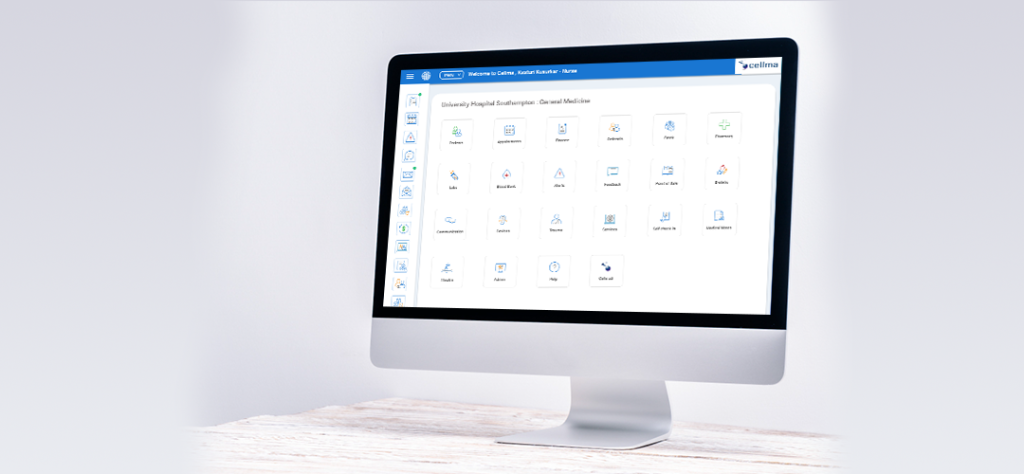
Table of Contents Help Others Discover – Click to Share! Facebook Twitter LinkedIn Your browser does not support the audio tag. Table of Contents When discussing digital healthcare records, you may have heard the terms EHR (electronic health record) and EMR (electronic medical record) used interchangeably. At first glance, the difference seems so small, just a single letter, but that letter indicates a vast difference in the spectrum, intention, and patient care delivery. Across the world, adoption of digital software for patients records and other factors is steadily increasing. The World Health Organisation states that over 80–90% of hospitals and providers in higher-income nations are using some form of electronic record, however adoption is lower in middle- and low-income countries. Across the world, hundreds of hospitals and tens of thousands of hospital beds are being managed by EHR/EMR systems, although full interoperability is an ongoing process. In the UK, this digital shift is happening too; 94% of NHS trusts and 97% of GP practices are using an digital health records system in the form of either EHR or EMR, and over 12.25 million distinct users have control over their health records through the NHS App, all signalling a genuine move towards patient-centred, connected care and patient access. Recent studies highlight that AI-powered EHR solutions are significantly improving efficiency and patient safety across healthcare systems globally and in the UK. Around 90% of clinicians using AI-integrated EHRs report improved operational efficiency, with 60% saving up to four hours daily on documentation. Research also shows administrative overheads reduced by about 35%, while documentation time dropped from 4.3 to 1.8 hours per day with advanced digital systems. Hospitals using analytics-driven EHRs have achieved 10–20% savings in resource allocation, improved bed utilisation, and shorter wait times. On the safety front, EHR adoption has been linked to a 46% reduction in medication errors and up to 30% fewer diagnostic errors, while AI integration has further reduced medication error rates to nearly 2% and cut patient wait times by 13–17 minutes. Additionally, organisations leveraging regulatory analytics reported a 63% drop in compliance-related incidents, underscoring the dual benefit of AI in boosting efficiency and clinical safety. These adoption milestones are closely aligned with the NHS Long Term Plan (10-Year Plan), which places digital transformation at its centre. The plan aims for both the clinical and non-clinical activities within NHS trusts to be fully digitised by 2026, enabling clinicians to obtain accurate and real-time patient data across care settings and giving patients more control to have access to their own health records. The NHS 10-Year plan makes clear the importance of both EHRs and EMRs in delivering integrated, efficient and high-quality health care across the UK by focusing on interoperability, secure data sharing, and patient-centred digital services. Understanding EHR vs. EMR isn’t just about definitions; it’s about recognising how the right system can shape the future of healthcare delivery. What is EMR? An Electronic Medical Record (EMR) is a digital version of a patient’s chart within a single clinician’s office. Think of it as a modern version of all those big, thick folders being stocked away on clinic shelves. Key Features of EMRs: Records patient medical history, diagnoses, and treatments all within one practice. Provides digital charting, templates, and notes-taking options to allow for quicker documentation. Integrates with billing and coding to improve efficiency. Provides alerts and reminders for appointments or follow-ups. Advantages of EMR: Reduces paper records and errors. Saves time for clinicians by streamlining charting and workflow. Improves accuracy of treatment history within one practice. Enhances patient safety with prescription and treatment tracking. EMRs work best for smaller practices looking to digitise internal records, but the data typically doesn’t travel beyond the healthcare facility. What Is EHR? An Electronic Health Record (EHR), on the other hand, is much broader. An EHR is a comprehensive, digital version of a patient’s health information that is designed to be shared securely across multiple healthcare providers and organisations. This makes EHRs particularly valuable in today’s connected care environment. Features of EHRs: Comprehensive records, including demographics, lab results, imaging, etc. Interoperability: records available across hospitals, clinics, specialist care, national databases, and even patients. Patient portals help facilitate patient engagement and self-management. Advanced analytics and reporting for population health. Benefits of EHRs: Improve care coordination for multiple providers. A longitudinal view of a patient’s health history. Facilitate NHS interoperability and global interoperability standards. Improve efficiency and safety across healthcare organisations with e-prescribing, secure messaging, and mobile access. EHR vs. EMR: Key Differences Aspect EMR (Electronic Medical Record) EHR (Electronic Health Record) Scope Records within one practice Records across multiple providers & systems Data Sharing Limited or none Designed for interoperability Patient Focus Practice-centric Patient-centric, longitudinal Use Case Clinical workflow, billing, in-clinic use Coordinated care, telehealth, population health Access Providers in one clinic Providers, patients, and authorised stakeholders If EMR is practice-centric, EHR is patient-centric. This is the reason the EHR vs EMR distinction is relevant to today’s connected healthcare ecosystem. Cellma: The Best of Both Worlds At RioMed, we designed Cellma to bridge the gap in the EHR vs. EMR conversation by offering a single platform that adapts seamlessly to both needs. Whether a practice is looking for an EMR to manage patient records internally, or a healthcare system requires a fully interoperable EHR to connect providers, Cellma delivers a comprehensive, modular solution. What Makes Cellma Different: Modular Design for All Care Settings: Cellma is a comprehensive modular platform facilitating the entire patient journey across 30+ specialties. Key modules include: Patient Administration System (PAS) – admissions, scheduling, referrals and bed management. Electronic Patient Record (EPR) – clinical documentation, treatment histories, care plans and MDT collaboration. Document Management – secure access and retrieval of medical records, test results and clinical notes. E-Pharmacy & Prescribing – between prescription management, dispensing workflow and automated alerts of the risk of drug interactions. Laboratory & Imaging Integration – Cellma integrates with already established diagnostic systems. Theatre & Surgery Management – including surgical planning, theatre scheduling and reporting. Ward & Bed
Menopause Symptoms and Hormonal Balance: What to Know

Table of Contents Help Others Discover – Click to Share! Facebook Twitter LinkedIn Table of Contents Menopause is a natural phase in a woman’s life, marking the end of menstrual cycles and the hormonal changes that come with it. For many women, the transition can lead to various menopause symptoms which impact their physical, emotional, and mental health. Knowing what to expect, recognising the signs early, and how to manage them can help in easing the transition. With technology such as Cellmaflex, the experience is even easier. Navigating menopause has become significantly easier. You can book appointments with specialists online without waiting on hold during phone calls, access your complete medical history anytime, anywhere, and find nearby doctors, pharmacies, labs, or imaging centres quickly. In this blog, you will learn everything you need to know about menopause including what is menopause, menopause symptoms, health implications, lifestyle and medical management and how Cellmaflex will help to empower you to feel proactive and in control of your hormone health. Menopause – What You Need To Know about the Transition Menopause signifies the cessation of monthly periods and can happen anywhere from ages 45-55. Menopause is a natural process that occurs when the ovaries produce decreasing amounts of oestrogen and progesterone over the years. Then, as a side effect of this reduced ovarian function, a woman experiences changes in hormone levels. These hormone changes impact several systems of the body. Menopause occurs in all women at some time, but not every woman will have the same experience. Some women may experience very little interruption, while others will contend with significant impacts caused by menopause-related symptoms. According to the World Health Organisation (WHO), most women undergo menopause naturally between the ages of 45 and 55. In 2021, women aged 50 and over represented 26% of all women and girls around the world, an increase from 22% a decade previously, a fact that illustrates the increase in women entering menopause worldwide. This is relevant when studies show that in the Latin America and Caribbean region the prevalence of premature menopause is around 1.5% of women, and early menopause is approximately 1.9% of women, further illustrating the influence of age and region on menopause and its experience. Region Stats Latin America & Caribbean Prevalence of premature menopause is about 1.5%, and early menopause about 1.9%. (PMC) Latin America & Caribbean Median age at natural menopause: approximately 50 years. (PubMed) Latin America & Caribbean Mean age at menopause onset: around 44.4 years, slightly earlier than the global average. (PMC) Jamaica Around 130,000 women are menopausal, 76,200 perimenopausal, and 75,000 postmenopausal. (Jamaica Observer) The Phases of Menopause Menopause is not an immediate development; it occurs over time and involves various phases: Perimenopausal Period The perimenopausal period includes the time leading up to menopause where women may experience fluctuating hormonal levels, causing missed periods and symptoms like hot flashes and sleep problems. Women may also notice small changes in their mood as well as changes in their metabolism. Menopause You officially enter menopause when you have had an absence of menstrual periods for 12 months. At this stage, hormone levels have significantly decreased, and symptoms may worsen. Post menopause Post menopause begins after you have entered menopause and will last the remainder of your life. While some of your symptoms may diminish, health risks start to increase, such as increased chances of osteoporosis or heart disease, or changes in metabolism. Women can use Cellmaflex to schedule routine screenings, seek labs that are located near them, and track their health, using a preventative approach during this stage. Common Symptoms during Menopause Menopause typically accompanies physiological and psychological changes for women. Early recognition of common menopause symptoms can help you prepare to manage them. Some of the common ones include: Irregular periods or periods that are heavier or lighter than usual Hot flashes, also known as vasomotor symptoms (a sudden feeling of warmth that spreads over your body) Night sweats and/or cold flashes Vaginal dryness that causes discomfort during sex Urinary urgency (a pressing need to pee more frequently) Difficulty sleeping (insomnia) Emotional changes (irritability, mood swings or depression) Dry skin, dry eyes or dry mouth Worsening premenstrual syndrome (PMS) Breast tenderness Some people might also experience: Racing heart Headaches Joint and muscle aches and pains Changes in libido (sex drive) Difficulty concentrating or memory lapses (often temporary) Weight gain Hair loss or thinning Health Effects of Menopause While menopause symptoms themselves can be challenging, the hormonal changes can also increase long-term health risks: Osteoporosis: Less estrogen can mean thinner bones, increasing your fracture risk. It is important to monitor bone mineral density levels, and you can schedule a bone scan at a nearby imaging centre via Cellmaflex. Heart Disease: Lower estrogen can change your cardiovascular health and increase your risk of heart problems and strokes. You can book cardiology check-ups and monitor cholesterol and blood pressure via Cellmaflex. Metabolic Changes: You may easily gain weight, develop insulin sensitivity, or see changes to your cholesterol levels. You can also connect with endocrinologists, dietitians, and other specialists who work with hormones via Cellmaflex. Mental Health: Hormonal fluctuations can also exacerbate mood changes, anxiety, or depression. Managing menopause effectively involves a combination of lifestyle changes, medical treatments, and active follow-ups. A holistic approach enables a woman to decrease the severity of their symptoms, maintain long-term health, and improve their overall well-being. When to Seek Medical Attention You should seek medical attention if: Your symptoms are interfering with your daily life You are experiencing severe hot flashes or night sweats You have risk factors for osteoporosis, heart disease, and metabolic disorders It is always best to access care sooner rather than later. Use Cellmaflex to identify specialists, book urgent appointments online, and keep track of a complete medical history without the hassle. Lifestyle Changes Making small, but consistent changes to your daily routines can have a major impact: Balanced Diet: Eat calcium, vitamin D, and plant-based nutrients to promote bone health and preserve
Beyond Cervical Cancer Symptoms: A Guide to Women’s Health

Table of Contents Help Others Discover – Click to Share! Facebook Twitter LinkedIn Table of Contents Cervical cancer is an important global health issue for women, and early detection saves lives. Recognising the symptoms of cervical cancer and acting upon them with a timely evaluation with your medical professional can significantly affect how treatment will result. Being able to access care and treatment is a large contributing factor, but many women still forego screening or ignore early warning signs that make treatment challenging and reduce survival. With Cellmaflex, managing health is easier. Women can quickly book cervical screening appointments online without waiting on phone calls, access their complete medical history anytime, and find nearby trusted doctors, pharmacies, labs, or imaging centres instantly. In this blog, we will cover everything you need to know about cervical cancer – its definition, causes and risk factors, cervical cancer symptoms, complications, diagnosis, treatment options, prevention strategies, and how Cellmaflex can help women take control of their health effectively. What Is Cervical Cancer? Cervical cancer starts in the cervical cells, which line the cervix, the lower part of the uterus that connects to the vagina. In most cases, the normal cervical cells will change into abnormal cells as a result of a persistent infection with a high-risk HPV; this virus can remain in the body for years before the development of these abnormal cells. If abnormal cells are not detected and managed before they progress even further, they can invade deeper layers of the cervix and spread to neighbouring tissues or organs and become invasive cervical cancer. Cervical cancer remains a major global public health challenge. The World Health Organisation estimated around 660,000 cervical cancer cases and 350,000 deaths related to the disease in 2022. Cervical cancer makes up a considerable portion of the cancer cases and deaths in females in the Caribbean region. Cervical carcinoma accounts for about 13% of all diagnosed cancers in Caribbean women, and approximately 10.4% of cancer deaths in the region. The table below provides a snapshot of some Caribbean cervical cancer epidemiology estimates: Region / Country Cervical Cancer Stats Region of the Americas ~78,000 new cases annually; ~40,000 deaths annually Latin America & Caribbean Incidence: 15.1 per 100,000 women; Mortality: up to 18.3 per 100,000 Caribbean (overall) Screening coverage past 3 years: ~56%; HPV types 16 & 18 cause ~70% of cases North America Incidence: 6.4 per 100,000 women; Mortality: ≈2.2 per 100,000 PAHO 2030 targets 90% of girls vaccinated by age 15; 70% of women screened by ages 35 & 45; 90% of women with precancer/invasive cancer treated Causes & Risk Factors The dominant cause of cervical cancer is persistent infection with high-risk types of HPV, mainly types 16 & 18. Nonetheless, several other causes can increase the overall risk of developing cervical cancer, such as: Smoking, which harms cells in your cervix and negatively affects your immune response. A suppressed immune system (for example, due to HIV infection or the use of immunosuppressive agents). Long-term oral contraceptive use (greater than 5 years). Multiple full-term pregnancies or early first pregnancy. Family history of cervical cancer, which may indicate a genetic predisposition. Women can use Cellmaflex to track their medical and family history digitally, ensuring that risk factors are not overlooked during consultations. The platform’s ability to share health records securely with specialists also means care is more coordinated and personalised. Cervical Cancer Symptoms Recognising cervical cancer symptoms early can lead to better outcomes. Unfortunately, early stages often present no noticeable signs, which is why regular screening is essential. As the disease progresses, cervical cancer symptoms may include: Watery or bloody vaginal discharge that may be heavy and can have a foul odour Vaginal bleeding after sex, between menstrual periods or after menopause Pain during sex (dyspareunia) If cancer has spread to nearby tissues or organs, symptoms may include: Difficult or painful urination, sometimes with blood in your urine Diarrhoea, pain or bleeding from your rectum when pooping Fatigue, loss of weight and appetite A general feeling of illness Dull backache or swelling in your legs Pelvic/abdominal pain Complications If left untreated, cervical cancer can extend beyond the cervix to affect nearby organs such as the bladder, rectum, and pelvic walls. As the disease progresses, it may potentially spread to organs far away from its original location (e.g. the lungs, liver or bones), causing complications throughout many organ systems. Untreated, these secondary complications cause additional pain and suffering and have emotional and psychological consequences for patients and their families. Cervical cancer progression can lead to serious complications, including: Severe pelvic pain: Due to the growth of cervical tumours that can press against nerve endings and supportive tissues around the tumour. Kidney issues: If the ureters (tubes that connect the kidneys to the bladder) are blocked it can lead to hydronephrosis (swelling of one or both kidneys due to a buildup of urine) or obstruction and loss of kidney function, and ultimately renal failure. Heavy or persistent bleeding: Advanced cervical tumours can penetrate blood vessels in the cervix or uterus and lead to persistent medication-resistant chronic anaemia, and its subsequent fatigue. Bowel and bladder dysfunction: If the cancer spreads to organs adjacent to the cervix, patients may have bladder issues such as incontinence and haematuria (bloody urine), or rectal bleeding. Bone pain or fractures: If the tumour or metastases (cancer cells that have spread from a primary tumor to a different part of the body through the bloodstream or lymph system) spread to bones, patients will experience severe local pain and potential pathologic fractures. Respiratory problems: Lung metastases can lead to respiratory issues, such as breathlessness, a cough which may be persistent and/or dry, or pleural effusion (build-up of fluid in the lung cavity). Liver problems: Liver involvement can cause jaundice, nausea, and abdominal swelling. Lymphatic obstruction: Cancer spreading to pelvic lymph nodes may cause leg swelling (lymphedema). Emotional and psychological stressors: People with advanced cancer often do experience anxiety, fear of recurrence, depression, and other mental health
Delivering Joined Up Care for Ageing Population with Cellma

Table of Contents Help Others Discover – Click to Share! Facebook Twitter LinkedIn Your browser does not support the audio tag. Table of Contents In the UK, unmet care needs for older adults remain substantial, around 2 million people aged 65+ require more care and support than they currently receive. Long NHS waits, and delayed hospital discharges are increasingly common. Hundreds of thousands are left without adequate support, often “stuck” in hospital while waiting for social care packages to be arranged at home. The health demands are immense, 75% of people aged 75+ live with multiple long-term conditions, increasing to 82% for those over 85. Even though the NHS Long Term Plan describes a vision for integrated support across the country, there is still widespread inconsistency, delays, and lengthy bureaucratic processes, siloed funding, and workforce development that remains uneven. Cellma, a fully integrated and future-facing EHR solution, closes the gap and specifically aligns with NHS goals for ageing well and care that is connected, online, and person-centred. aligning directly with NHS priorities for ageing well and delivering connected, person-centred care. The Current State of Joined-Up Care for Older People The NHS Long Term Plan describes a vision for integrated and community-based support; however, many areas currently face: Poorly coordinated services – hospitals, primary care, social services and voluntary sector all use different systems that are separate to each other, delaying coordination. Discharge delays – medically fit patients remain in hospital as a result of community and social care not being ready to accept them. Disjointed information sharing – key patient data is either lost between providers or duplicated. Limited rapid-response capability – services don’t have the ability to quickly mobilise teams in order to maintain clients and avoid readmissions. For an ageing population, these gaps mean slower recovery, avoidable hospital stays, and declining independence. How Cellma Powers True Joined-Up Care Cellma is more than an EHR, it’s a fully integrated digital health ecosystem designed to operationalise the NHS 10-Year Plan’s ambitions for connected, patient-centred care. Here is how it fits within the clinical workflow of joined-up care for older people: Hospital Discharge Planning The hospital clinician’s decision on discharge is instantly recorded in Cellma’s shared electronic health record. So, the day the patient is discharged, the community team, GP and social care providers receive notification, in real time, with no paper delays, to start care at home as soon as the person reaches home. Coordinated Care planning in the community Cellma provides a framework for planning home care and district nursing appointments, therapy appointments, voluntary services which can all be managed in one coordinated calendar. Post Hospital discharge assessments The initial and subsequent assessments can be added into Cellma which provides GP follow up, as a reminder. All notes, tests results and care plan updates can be accessed at once and in real time, by all health and care providers that the patient has given consent to. Live care plan and monitoring. If there is any change in the patient’s health status, the providers in the community can update the live care plan, viewable in real time by multi-disciplinary teams, reducing duplication and ensuring that the team can intervene quickly if needed. Rapid Response to urgent needs Rapid Response Teams have access to the most up to date medical records before arriving to see the patient, enabling them to provide informed and considered in-home care that prevents avoidable readmission. Care Coordination of Care across Settings Cellma enables care coordinators to manage the entire patient journey — from hospital admission to community-based follow-up — as a seamless digital record. Integrated Neighbourhood Teams Primary care, community health, local authorities and voluntary services access the same secure record and can more collaboratively deliver care for patients in their neighbourhoods. Population Level Frailty Management Cellma’s advanced analytics can help the organisation identify patients at risk of deterioration and engage in proactive frailty management to reduce dependency on hospital care in the community. Governance & Shared Outcomes Cellma’s reporting dashboards provide ICBs with their live clinical and demographic data and awareness of shared outcomes, e.g., reduction in frailty related admissions, speed of discharge times and independence at discharge rates. Virtual Wards & Early Discharge: The Future of Patient-Centred Care One of the NHS’s key strategies for joined-up care is the growing use of virtual wards. These allow clinically stable patients to continue receiving hospital-level monitoring and care at home, supported by digital tools and remote clinical teams. Equally important is the NHS drive for early discharge planning, where patients are safely discharged sooner, with a coordinated follow-up plan that ensures they do not return unnecessarily to hospital. This not only frees up hospital beds but also improves patient comfort and recovery in familiar surroundings. Momentum and Reach The NHS are scaling this rapidly, more than 10,000 virtual wards have been adopted in England, with over 15,000 planned as part of the NHS long term plan. Evidence suggests that virtual ward models employed in scale improve patient experience, enable safe discharge, and mitigate demand on hospital beds. Evidence of Effectiveness Evidence base supports their effectiveness. Evaluations highlight clear benefits: patients in virtual wards stay 3.07 days shorter than patients in hospital on average, and they can free up capacity while underlining the safety models proposed. In Southwest London, 74% of patients discharged to a virtual ward remained at home and not re-admitted into hospital, significant for it’s a real-world achievement! Caveats and Considerations Virtual wards aren’t universally designed to address everything, they can only improve care when delivered to appropriate patients, to recognise or reduce hospital-related complications, whilst the patient retains their independence at home. How Cellma Supports Virtual Wards & Early Discharge Integrated Workflows: Automated pathways from inpatient care to virtual ward and alerts with covered handovers. Real-time Monitoring: Insights derived from the automatic integration of wearable and at-home monitoring data for a proactive response. Care Coordination: Every member of the multidisciplinary team with access to and update capabilities within the record to ensure continuity of care in the home. Analytics
Improving Patient Experience in Dental Care with Cellma
Table of Contents Help Others Discover – Click to Share! Facebook Twitter LinkedIn Your browser does not support the audio tag. Table of Contents The demand for quality dental care across the UK is at an all-time high, yet the sector faces mounting challenges. According to NHS statistics, only 40% of adults in England were seen by an NHS dentist in the last two years, down from 49% before the pandemic. While over 35 million courses of dental treatment were delivered in 2024/25, access remains uneven, especially in rural and deprived areas. Furthermore, oral health and disease conditions, including dental decay, periodontal disease, and late presentation due to covid backlogs continue to exert pressure on the service. These challenges underscore that there is an urgent need for advanced integrated electronic health record systems (EHR) that will manage dental workflows and integrated connections to wider healthcare pathways. CellmaEHR offers the solution, whether it be in hospitals, dental practices, or dental clinics, small or large, it offers a complete solution to improve the patient experience of dental care. Supporting the NHS 10-Year Plan Cellma is fully aligned with the NHS 10 Year Plan. Cellma provides support for digitally enabled primary healthcare, expanding community care in neighbourhood hubs, and aids in managing complex cases through the integration of a virtual ward. Cellma integrates with NHS Spine, GP Connect, NHS App and e-Referrals to create continuity of care for patients who move between dental and wider medical services. Cellma enables teams within a hospital or local clinics to cut waiting times, improve prevention, and provide safe dental care services all contributing directly to the NHS commitment to patient-centred care. Interoperability and compliance to NHS frameworks Cellma is built for seamless integration to NHS frameworks which allow dental practices, hospitals, and clinics to operate effectively and converge to local, regional, and national standards. Supporting national datasets, standards, and authentication frameworks provides a level of interoperability that supports reporting and patient safety whilst ensuring the right level of information is captured and accurately documented. Technical and Clinical Standards SNOMED CT – Standardised terminology with accurate clinical coding. HL7 and FHIR Protocols – Structured real-time data exchange across multiple NHS systems. DICOM – Ensures seamless integration of dental imaging and radiographs. PRSB Record Standards – Structured and interoperable patient records. NHS Number Integration – Ensures accuracy of patient identity across systems. NHS Integrations Spine/PDS (Personal Demographics Service) – Access to verified patient demographic information. NHS e-Referral Service (eRS) – Seamlessly refer patients to oral surgery, orthodontics and secondary care. EPS (Electronic Prescription Service) – Electronic prescription that is integrated directly into patient records. NHS Smartcard authentication – Secure access for clinicians in accordance with protocols from the NHS. NHS App Integration – Patients can view appointments, documents, and updates directly through the app. Incorporating these integrations and standards, Cellma provides assurance to dental practices that they are compliant, reducing administrative burden and being fully align Clinical Scope: Dental Conditions and Cellma’s Role Dental Condition How Cellma Assists Dental Caries & Tooth Decay Tracks progression through clinical notes, stores radiographs, records interventions, and automates recall reminders. Gum Disease & Periodontitis Integrates periodontal charting, lab test results, and structured notes for continuous monitoring and treatment planning. Oral Infections & Abscesses E-Pharmacy links with NHS EPS for quick prescriptions; secure documentation ensures safe antibiotic stewardship. Orthodontic Cases Imaging and document management modules support treatment plans, appliance tracking, and specialist referrals. Oral Cancers & Suspicious Lesions Structured templates for clinical findings, seamless referral pathways, and integration with neighbourhood care centres enable timely escalation. Dental Trauma (fractures, avulsions) Imaging integration and treatment workflow modules guide urgent care, documentation, and follow-up. Prosthodontics (dentures, crowns, bridges) Digital workflow supports lab integration, prosthetic tracking, and patient consent management. Cosmetic Dentistry (whitening, veneers) Clinical documentation ensures traceability, while patient portal supports treatment options and informed consent. Pediatric Dentistry Growth charts, fluoride treatment tracking, and recall reminders tailored for children’s oral health. Endodontic Cases (root canals) Imaging and treatment notes modules guide case complexity assessment and procedural documentation. Maxillofacial Surgery Referrals Cellma Connect (referral portal) ensures efficient transfer of radiographs, imaging, and notes to secondary care. Special Care Dentistry (patients with disabilities or comorbidities) Interoperability with hospital records and virtual ward integration supports multidisciplinary care. Preventive Care (fluoride varnish, sealants) Automated recall schedules, BI reporting for public health monitoring, and patient education via portal. Temporomandibular Joint Disorders (TMJD) Clinical notes, imaging records, and referral pathways for physiotherapy or surgical teams are captured within Cellma. Tackling Everyday Challenges with Cellma The dental workforce faces burnout, access pressures, and rising administrative loads. Cellma directly addresses these problems through its dedicated modules: Patient Admission and Scheduling (PAS): Reduces appointment booking errors, manages recalls, and balances urgent care slots. Electronic Patient Records (EPR): Offers a comprehensive clinical view of the patient, including treatment history, radiographs, and laboratory results. Document Management: Prepares, organises, and manages FP17 forms, safely stores patient records and consent documents and manages NHS reporting accurately. Laboratory and Imaging Integration: All dental images, blood tests, and microbiology reports can be linked and incorporated into collaborative decision making. E-Pharmacy: Electronic prescribing and seamless library management with integration to today’s EPS creates a smooth medication supply process. Communication: Access to care can be improved through secure messaging for patients to contact their provider, appointment reminders, and virtual appointments. Referral Portal (Cellma Connect): Patients can be referred into oral surgery, orthodontics, or secondary care correctly and according to NHS dataset requirements. Business Intelligence (BI) Reporting: Automatically provides compliance reporting, FP17 submissions and activity dashboards to relieve burdensome back-office functions. These modules ensure that hospitals, larger practices and small to medium sized practice or clinics can all reduce administration time and direct their energies to providing care, which ultimately improves patient experience in dental care settings. Data Security and Privacy Cellma is built with end-to-end encryption, GDPR compliance, DSP Toolkit certification, and Cyber Essentials Plus accreditation. Our system integrates fully with NHS datasets and standards; SNOMED CT, FHIR, HL7 and PRSB record structures.